
Loading
Search
We hope you found what you are searching for. If not, contact us and let us know what your want. We will do the work for you and get back to you when we're done.
wheat - Glossary Search
Top 198 glossary terms found
Displaying 121-140 | << Prev 20 | Next 20 >>
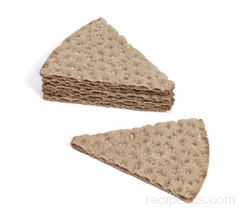
A traditional Swedish, Finnish or Norwegian bread made from a dough with rye flour or combinations of flours such as wheat, barley, and potato and leavened with leavening agents.
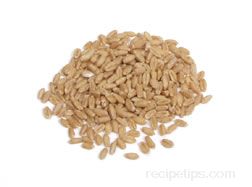
The kernel or seed of food plants that are used as a staple food source throughout the world. Plants such as wheat, barley, corn, oats, rye, and rice, are among the most popular cereal grains.
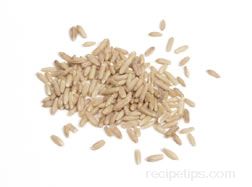
A cereal plant that thrives in temperate climates, preferring cool, moist conditions and growing in areas where other important grains, such as wheat and corn, do not grow well.
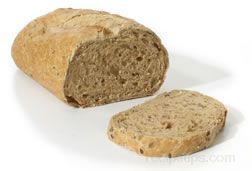
Bread made up of multiple grains, generally six to nine different grains are used, such as oats, rice, corn, triticale, rye, wheat, barley, buckwheat, millet, soy, and flax.

A sauce or paste of Mexican origin made with ground chile peppers, sesame seeds, peanuts, bread or crackers (wheat flour, salt, and corn starch), sugar, vinegar, garlic, pepper, and other spices.
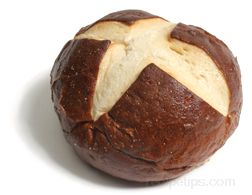
A common type of bread in the British Isles and the United States in which the name refers more to the shape and style of the bread loaf than to any particular recipe.
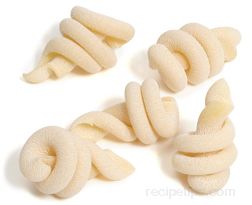
Made in the manner of an artisan food, Molloni Pasta is produced in southeastern section of Italy in a region known as Apulia or Puglia in Italian.

A German country bread that uses a starter as a leaven. The bread has a chewy, open crumb and a delicious sourdough flavor.
A type of quick bread that is very similar to Boston brown bread except that it is baked rather than steamed.
A flavored bread from Switzerland that may also have had origins in France and Germany. The loaf is usually made with a combination of grain flours, such as wheat, barley, spelt, and rye and is flavored with apples and walnuts.
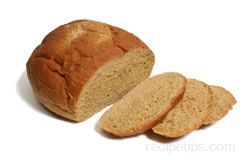
A type of cornmeal bread that originated in colonial New England. It is one of the few cornmeal yeast breads, although it contains a large portion of wheat flour, which is necessary for the bread to properly rise.
The largest portion of a grain kernel containing most of the protein and carbohydrates, but only small quantities of vitamins and minerals.
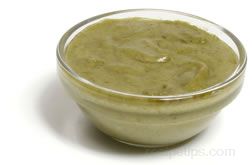
A spicy Mexican condiment which is a mixture of pumpkin seeds (pepitas), ground nuts and sesame seeds, tomatillos, green chile peppers (typically poblano or serrano), spices, soybean oils, bread or crackers (wheat flour and corn starch), sugar, and other seasonings.

A Japanese word for "soy sauce." A salty brown Asian sauce used as a seasoning or a condiment for Asian dishes.
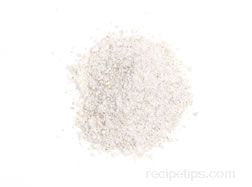
A flour ground from oat groats, which are hulled and cleaned oats. Oat flour is also ground from rolled oats or oatmeal.
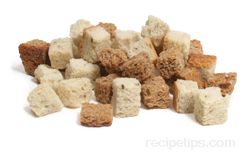
Cubes or crumbled pieces of bread that have been dried and seasoned to be used in stuffing (dressing) recipes.
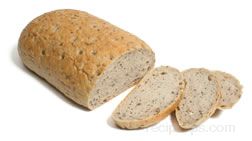
A type of rye bread of Italian origin that is not as heavy as its northern and eastern European counterparts due to the smaller proportion of rye flour used in relation to the wheat flour content.
A type of rye bread that is a bit lighter in flavor and texture than other rye breads of Northern Europe and Scandinavia due to the use of a greater proportion of wheat flour than rye flour.
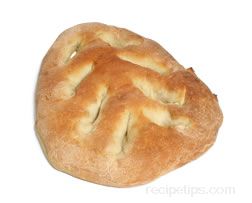
A type of French bread that is formed into a flattened shape with elongated holes, which give the bread the appearance of tree limbs.
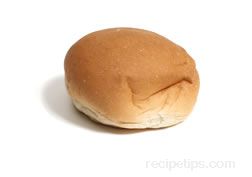
A type of plain bread formed into rounded bun shape and most often split and used for a hamburger sandwich.
Top 198 glossary terms found
Displaying 121-140 | << Prev 20 | Next 20 >>


Advertisement
Advertisement