
Loading
Search
We hope you found what you are searching for. If not, contact us and let us know what your want. We will do the work for you and get back to you when we're done.
storing wine - Glossary Search
Top 118 glossary terms found
Displaying 81-100 | << Prev 20 | Next 18 >>
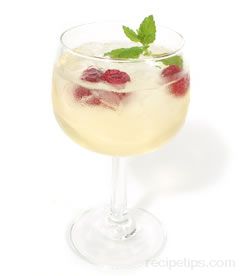
A beverage made from wine, fruit juices, soda water, and fruit. In addition, liqueurs and/or brandy may also be added to the mixture.
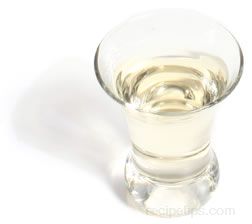
A light flavored vinegar made from rice wine which has been created by adding a bacteria culture to the wine, thus beginning a fermentation process that produces the vinegar.

The process of maturing a food or beverage to improve the flavor of the item being aged. The purpose of storing a product so it can age is to improve the overall taste and to impart the distinct characteristics provided by each storing technique.
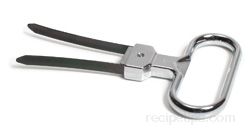
Any type of utensil used for removing the cork from wine bottles, also referred to as a "Cork Remover".
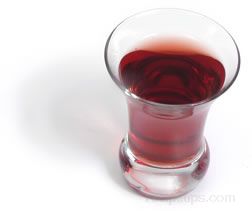
Types of vinegar that are produced from fermented ingredients such as grapes or rice. There are many varieties of red and white wine vinegars and the quality and flavor vary widely between brands, depending on the quality of the ingredients and the process for aging.
A sweetened rice wine that is low-alcohol and golden tan in color. This wine is often used in Japanese cooking to sweeten the flavor of many foods, such as dressings, glazes, marinades, and sauces.
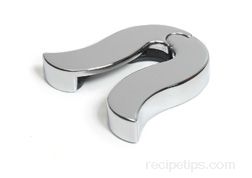
A utensil used to remove the foil covering from the spout of wine bottles. Often carried in the pockets of restaurant sommeliers, the Foil Cutter helps to ease the removal of the cork, enabling a slit to be cut into the foil as the Cutter is rotated around the bottle spout.
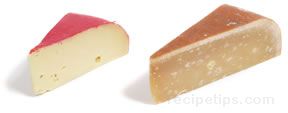
The process of storing and conditioning food products so the flavor, texture or some other aspect improves the product for consumption.
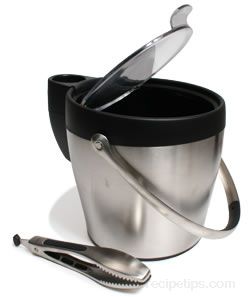
A countertop storage utensil that holds and keeps ice from melting rapidly. Most often used in bar areas, buffets or kitchens when serving beverages, Ice Buckets are typically made from stainless steel, plastic, glass or copper and may be constructed of materials that contain insulation.
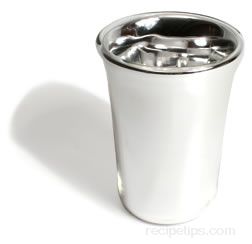
Most often used as a storage utensil to keep foods and beverages properly cooled to keep food from spoiling and to keep beverages refreshing.
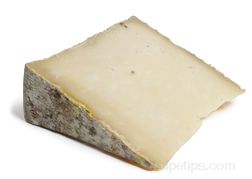
Native to Europe, this old world variety of cheese comes from the Piedmont region of northern Italy and is not often found in stores.
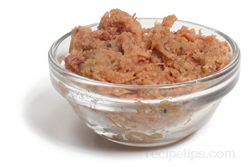
French in origin, the term refers to speciality meat products or at times is loosely applied to delicatessens that are considered as providers of specialty meats.
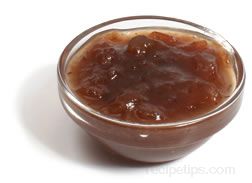
French in origin, this term means "to preserve" which has been a traditional French method of keeping food in storage for longer periods of time.
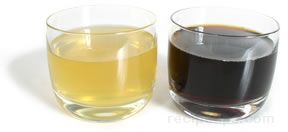
A flavored liquid made from the juices remaining after cooking meat, fish, seafood, vegetables, or similar ingredients in water.
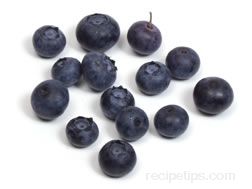
A somewhat small, round berry that is dark blue in color with a crowned opening at the opposite end of its stem.
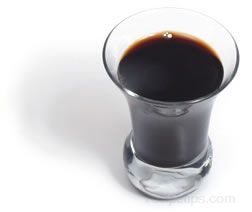
A very strong, but sweet type of grape vinegar originating in the Modena region of Italy. Produced from the juice of white Trebbiano grapes, Balsamic Vinegar is made from fresh pressed grape juice, referred to as "must" and therefore is not classifed as a wine vinegar.
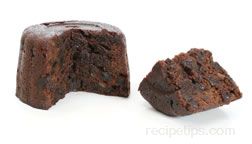
Traditionally made in England during the 14th century to be served during Christmas, this dessert was originally prepared as porridge with a pudding-like consistency that was thickened with bits of dried fruits, spices, meat (beef or veal), wine or sherry, eggs, and breadcrumbs.
A loss of various qualities, which are present in food and beverages that affect the texture, flavor and aroma of the item that becomes stale.
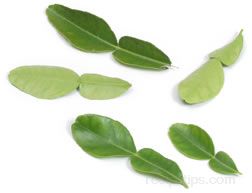
A small to large oblong leaf, pale green to dark green in color (larger leaves are darker green), that are grown on fruit trees producing limes.
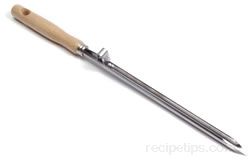
A kitchen utensil that is used to inject lard into meats in order to moisten the meat and enhance the flavor.
Top 118 glossary terms found
Displaying 81-100 | << Prev 20 | Next 18 >>


Advertisement
Advertisement