
Loading
Search
We hope you found what you are searching for. If not, contact us and let us know what your want. We will do the work for you and get back to you when we're done.
rice flour - Glossary Search
Top 102 glossary terms found
Displaying 41-60 | << Prev 20 | Next 20 >>
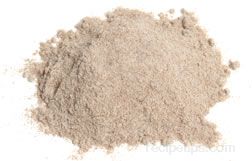
A type of flour milled from teff grain. Teff flour is high in calcium, iron, magnesium, zinc, and thiamin and it is a good source of fiber.
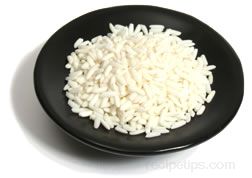
A short grain variety of rice that sticks together when it is cooked. This variety is generally used for commercial product formulations rather than home recipes, converting the rice starch and flour into food binders for fillings, gravies and sauces.
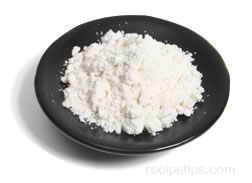
A type of wheat flour in which the leavening agent has already been added. The leavening agent is generally in the form of baking powder.
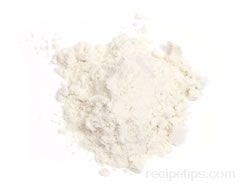
A type of flour ground from millet seeds. Since it is gluten free, millet flour must be combined with high-gluten flour when used in leavened breads.
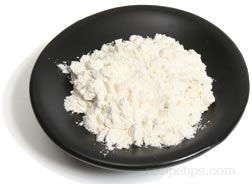
A type of flour, native to India, which is made by grinding black gram pulses or lentils into a fine powder.

A type of flour made from ground cassava or yucca root. Ground into a coarse textured substance, Manioc flour provides a somewhat acidic and nutty flavor as an ingredient for baked goods.
A short grain variety of white rice that sticks together when it is cooked. This variety is generally used for commercial product formulations rather than home recipes, converting the rice starch and flour into food binders for fillings, gravies and sauces.
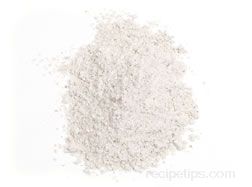
Grains of rye grass that have been ground into fine flour that has a slightly sweet-sour flavor. Low in gluten, it does not contain enough protein to develop the gluten necessary for the bread to rise sufficiently without combining it with wheat flour.
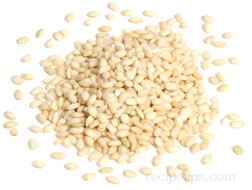
A short grain variety of opaque rice that sticks together when it is cooked. This variety is generally used for commercial product formulations rather than home recipes, converting the rice starch and flour into food binders for fillings, gravies and sauces.
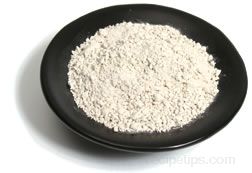
A type of flour ground from water chestnuts, which are the edible tubers of an aquatic plant that grows along the muddy edges of lakes, ponds, rivers, and streams or is cultivated commercially in flooded fields.
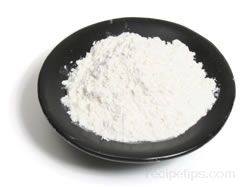
A type of flour produced from the endosperm portion of the wheat kernel. It is high in starch and has a low protein content, which means that it contains very little gluten, making it suitable for cake recipes.
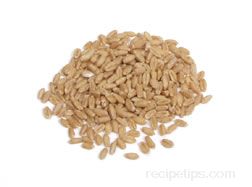
A plant that is a member of the grass family bearing a fruiting head that yields a grain that is most often ground into flour or meal.
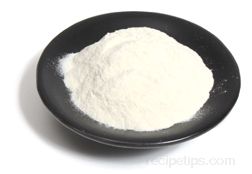
A type of flour produced from cooked, dried, and ground potatoes. It is used as an ingredient in potato based recipes to enhance the potato flavor and is often mixed with other types of flour for baking breads and rolls.
A term that refers to products that contain no gluten, which is found in many foods, but is most notable as the substance that gives dough its elasticity, strength, and makes the dough rise.
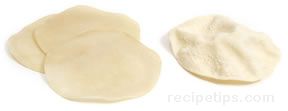
Traditional cracker bread common in India that is most often served as a complement to a main dish, but also used as a snack or appetizer to be topped with chutney, various dips or salsas.
A variety of flour that is most often used in East Indian cooking. Garbanzo beans, also known as chickpeas, are processed into a flour that is very similar to millet providing a rich sweet flavor to baked foods.
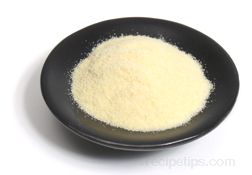
A granular flour with a light yellow color. Semolina is produced from durum wheat, which is used almost exclusively for making pasta.
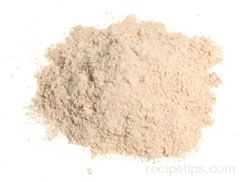
A type of flour produced by grinding dried yams into a powder. A yam is a hearty tuber that does not have the sweet taste of a sweet potato, but instead may have flavors that range from bland to earthy, slightly smoky in taste, or nutty and only moderately sweet.
A type of flour ground from a high protein man-made grain produced by crossbreeding wheat and rye. Pronounced “trit-i-KAY-lee”, the name is a combination of the Latin botanical names of wheat and rye – “triti,” referring to triticum for wheat and “cale”, referring to secale for rye.
A type of flour milled from wheat that is grown and processed according to specific standards. Some of the standards include farming practices that prohibit the use of synthetic pest control and artificial fertilizers.
Top 102 glossary terms found
Displaying 41-60 | << Prev 20 | Next 20 >>


Advertisement
Advertisement