
Loading
Search
We hope you found what you are searching for. If not, contact us and let us know what your want. We will do the work for you and get back to you when we're done.
oils and fats - Glossary Search
Top 97 glossary terms found
Displaying 21-40 | << Prev 20 | Next 20 >>
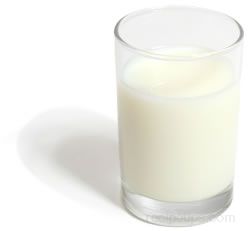
Milk which contains less than 1/2 percent of milk fat. Generally non-fat milk has been fortified with vitamin A and D to improve the nutritional values.
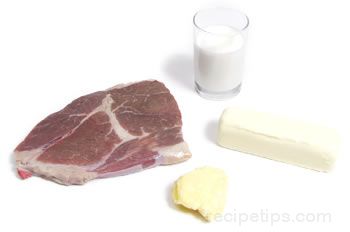
One of the three categories of fatty acids that also includes monounsaturated fats and polyunsaturated fats.
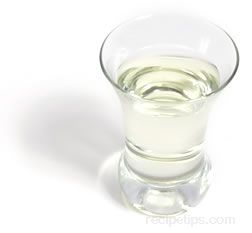
Canola is the marketing name for oil that is obtained from rapeseeds. It is also known as LEAR oil, or "Low Erucic Acid Rapeseed" oil.

Milk containing 1% percent milk fat. Although many will consider skim milk, which contains 1 percent or less of milk fat to be a low-fat milk, the typical classification for a low-fat milk is the variety labeled "1% low-fat" milk.
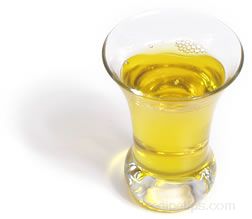
An oil, made from the seeds of safflowers, which is clear and mostly flavorless. It is high in polyunsaturated fats and is a popular oil to use in salad dressings, because it does not solidify when chilled.
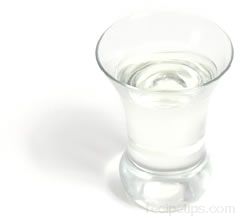
An oil, derived from peanuts, which is pale gold in color and has a distinctive taste but is not overpowering.
A type of oil obtained from the nut of the macadamia tree. The tree is native to Australia, which leads the world in production of the nut and the oil.
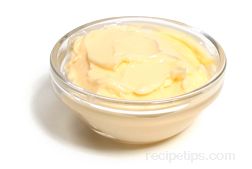
An oil that is extracted from the seeds or nuts of vegetable plants, such as corn, soybeans, peanuts, safflower seeds, sunflower seeds, and rape seeds (used for canola oil), that is turned into a spreadable form of margarine to be used as a replacement for butter.
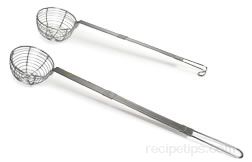
The process of "dry" cooking food totally covered in hot cooking fat or oil. This process produces evenly cooked food with a golden, crisp surface on the outside.
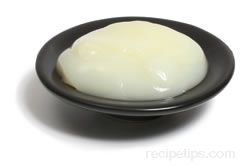
A type of cooking fat that is often sought by chefs desiring to add a rich flavor to a variety of foods.
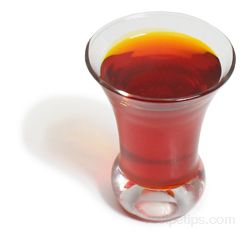
The pulp of the fruit of the African palm is the source for palm oil. It should not be confused with palm-kernel oil, which is extracted from the kernel rather than the fruit.
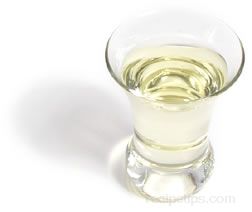
Avocado oil has a light, but unique flavor that makes it an excellent choice for salad dressings or for use as a condiment.
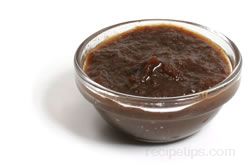
A variety of alternate ingredients that can be used instead of oil or butter in the preparation of foods.
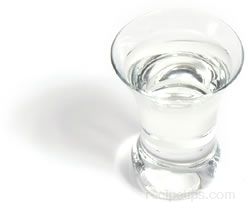
Apricot kernel oil is obtained from the dried kernels of the apricot tree. The oil is obtained by removing the pit from the apricot and cracking the shell of the pit in order to access the kernel covered by the shell.
Palm-kernel oil is extracted from the kernel of the palm. It should not be confused with palm oil, which is obtained from the pulp of the fruit of the palm.
Any food product, such as fat free cheese or fat free milk that contains no fat solids. Also referred to as "nonfat".
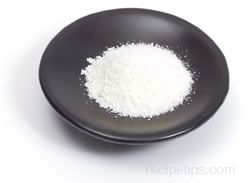
A powder made by extracting the water from skim milk, which can be reconstituted by adding warm water.
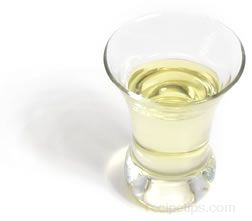
A type of seasoning or cooking oil that uses the tea seeds harvested from the tea plant (Camilla sinensis), cold-pressing them to produce the oil.
Also known as trans fat, this is a type of fat that is created when oils are partially hydrogenated, which occurs by adding hydrogen to the oil so ir remains solid rather than liquid.
Food products containing a designated percentage of fat solids that overall are less than other similar products in the same type and category and they must not contain more than 3 grams of fat per serving.
Top 97 glossary terms found
Displaying 21-40 | << Prev 20 | Next 20 >>


Advertisement
Advertisement