
Loading
Search
We hope you found what you are searching for. If not, contact us and let us know what your want. We will do the work for you and get back to you when we're done.
oil can - Glossary Search
Top 250 glossary terms found
Displaying 201-220 | << Prev 20 | Next 20 >>

The process of quickly browning the surface of food by exposing it to extremely high heat. Food is most often seared in a small quantity of oil and is then cooked to the appropriate doneness using another cooking method such as roasting, grilling, or braising.
A medium size Italian olive that is oval shaped and purplish-black in color. It is a prized table olive and is also used to produce olive oil with a delicate and mild flavor.
A medium sized Spanish olive that is elongated in shape and a darker violet when harvested. It is most often used to produce higher quality olive oil, but is also produced as a table olive soaked in sherry to be used as an hors d'oeuvre.
A medium size Italian olive that is elongated in shape and a darker violet color when harvested. It is most often used to produce higher quality olive oil.
A large size Italian olive, long and oval in shape, that is black in color when harvested. It is most often used to produce olive oil.
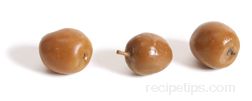
A small Italian olive, round in shape and dark brownish violet in color. It is most often used to produce a high quality olive oil.
A very large sized olive that can be dark green as a table olive and ripen to a dark violet in color when used to produce olive oil.
A small to medium size olive grown in California that is dark black when ripe. It is most often used for the production of olive oil.
A small, round, cherry shaped olive from Italy that is purplish-black in color. It is most often used to produce a delicately flavored olive oil.
A medium size olive from Italy that is purplish-black in color and round in shape. It is most often used to produce an olive oil that has a fruity flavor, which is slightly bitter.
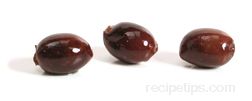
A medium size Italian olive that has a longer oval shape and is purplish-black in color after being picked.
A Greek olive that is very small, oval in shape, and darker violet in coloring when ripe. It is most often used to produce olive oil.
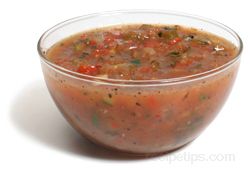
A cold, uncooked soup that originated in southern Spain. It is prepared with puréed fresh vegetables, such as tomatoes, cucumbers, bell peppers, celery, and onions, that are combined with garlic, breadcrumbs, olive oil, vinegar, and lemon juice.
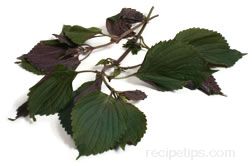
One of the oldest varieties of mint and the most important for industrial use as a flavoring or to create a scented aroma.
Essential fatty acids that our bodies are unable to produce without obtaining them from food. Linolenic acid is the primary Omega-3 fatty acid, which can be acquired through many fats, oils, nuts and soybeans.
Popular in Japan, a communal one-pot meal where the ingredients have been prepared in advance in small bite size pieces and are then cooked in broth or oil at the table.
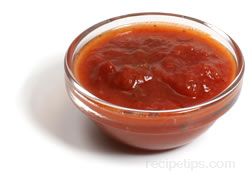
A traditional Italian tomato sauce that combines crushed tomatoes, garlic and a variety of other ingredients, such as onions, basil or parsley, oregano, and olive oil into a sauce that is well seasoned.
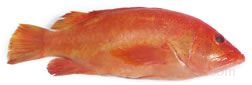
A cold-blooded, backboned, aquatic animal that lives in every region of the world. Fish are harvested for their highly nutritious meat and for the oil that is extracted and used as a food product or as an ingredient for a wide variety of commercially prepared products.
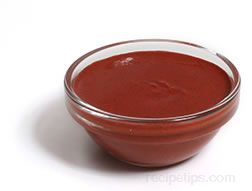
A preparation used to flavor food after it has been cooked or used as an accompaniment for a variety of dishes.
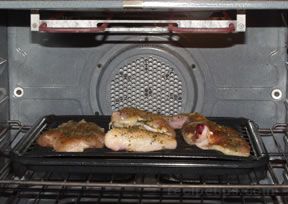
A method of cooking using direct heat, which is much like grilling except that the heat source is over the food instead of under it.
Top 250 glossary terms found
Displaying 201-220 | << Prev 20 | Next 20 >>


Advertisement
Advertisement