
Loading
Search
We hope you found what you are searching for. If not, contact us and let us know what your want. We will do the work for you and get back to you when we're done.
tart - Glossary Search
Top 199 glossary terms found
Displaying 181-199 | << Prev 20

Pronounced so-veen-yawn blahngk. A grape varietal used in the production of white wine. Thought to have originated in the Loire and Bordeaux regions of France, it is also grown in the United States (primarily California), Italy, Australia, South America, Argentina, and Chile.
Pronounced rees-ling or reez-ling. A grape varietal used in the production of white wine and is used as a blending agent in the production of Ice Wine in Canada.
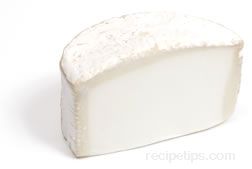
A white cheese made entirely from goat's milk and commonly referred to as goat cheese in the U.S. (The word Chèvre translates into goat in French).
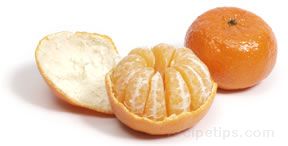
A thin-skinned citrus fruit that is typically small in size with a flattened oval shape and a bright orange coloring.
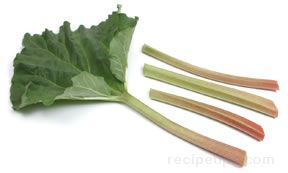
A perennial plant that has celery-like stalks that are greenish pink to dark red in color. Garden variety Rhubarb that is grown outside during the summer months matures from a green into a light pink colored stalk with streaks of green amongst lighter red shades of color.
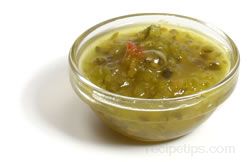
1. Olives, pickles and pieces, slices or sticks of raw vegetables, such as carrots, celery, broccoli, cauliflower, radishes, cucumbers and peppers, which are served as appetizers.
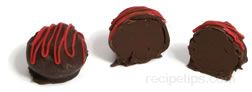
A richly flavored chocolate icing or filling made from chocolate and cream blended together over low heat until the chocolate has melted and can be mixed with the cream.
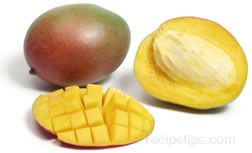
A tropical fruit, oval in shape, which has a very juicy, sweet flavored, orange flesh. The skin of the mango is yellowish with an orange tinge when ripe.
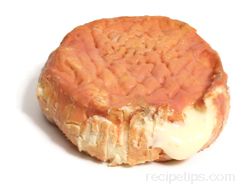
Made from pasteurized and unpasteurized cow's milk, this variety of cheese originates from the Burgundy region of France where the town of Epoisses is located.

Produced as a finishing tool for baked goods, this utensil is most often used to add the golden tan surface to crème brulée desserts by caramelizing sugar sprinkled over the top.
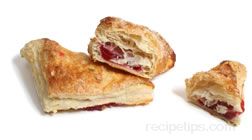
A turnover-like pastry, common in South American and many Spanish kitchens, which is filled with sweet or savory ingredients.
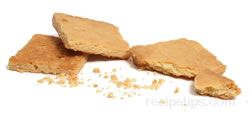
A pastry crust made with a higher proportion of fat that contains no raising agent to make it rise and expand during baking.
Grape varietal family, most notably known as Muscat, comprised of 100’s of grapes ranging from white to black, believed to have originated in Alsace, France.
Most notably known as "Muscat". Grape varietal family comprised of 100’s of grapes ranging from white to black, believed to have originated in Alsace, France.
Pronounced moose-caht. Grape varietal family comprised of 100’s of grapes ranging from white to black, believed to have originated in Alsace, France.
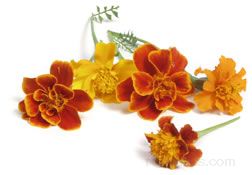
A group of flowering plants that are most often used to garnish or enhance the appearance and flavor of various foods.
The process of pouring a liquid from one container into another in order to allow the liquid to breathe (aerate), to separate any unwanted deposits (sediment) so that it remains in the original container, and to improve flavors by softening the wine or reducing the wine temperature.
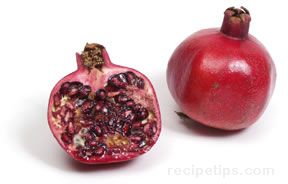
pomagranite, pomegranite, pomagranate, pomergranite, pomergranate, pomegrante, pomegrants,
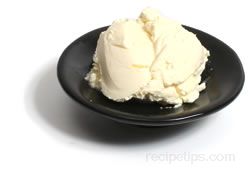
cream, half and half, milk products,
Top 199 glossary terms found
Displaying 181-199 | << Prev 20


Advertisement
Advertisement