
Loading
Search
We hope you found what you are searching for. If not, contact us and let us know what your want. We will do the work for you and get back to you when we're done.
vegetable oil - Glossary Search
Top 218 glossary terms found
Displaying 1-20 | Next 20 >>
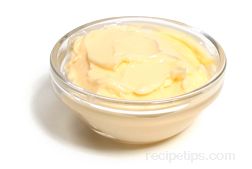
An oil that is extracted from the seeds or nuts of vegetable plants, such as corn, soybeans, peanuts, safflower seeds, sunflower seeds, and rape seeds (used for canola oil), that is turned into a spreadable form of margarine to be used as a replacement for butter.
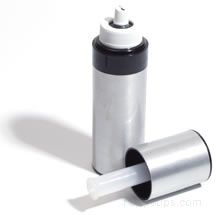
A commercial cooking spray that dispenses a very fine mist of vegetable oil and lecithin to coat unheated pans when preparing them for grilling, sautéing, broiling, roasting or baking.
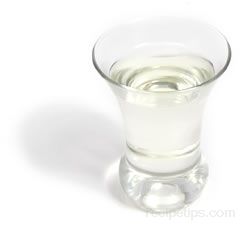
A liquid cooking oil that is extracted from the fruit, seeds, or nuts of a vegetable plant, such as corn, soybeans, peanuts, safflower seeds, sunflower seeds, and rapeseeds (used for canola oil).

A commercial spray product, which contains very little fat, that is used to give cooking and baking surfaces a nonstick coating.
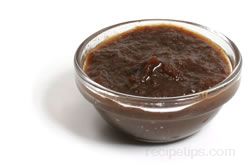
Any of a variety of alternate ingredients that can be used instead of oil or butter in the preparation of foods.
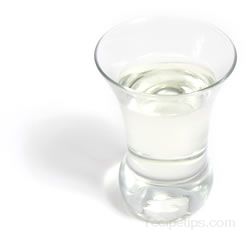
Oil that is obtained from walnuts that are pressed to extract the natural oil. The richly flavored oil makes it a good choice for use in salad dressings and sauces, but it is more expensive than several other popular oils such as corn oil or canola oil.
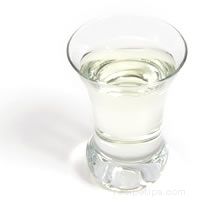
Oils for cooking are used to fry and sauté foods, for making salad dressings, and for use in baking....
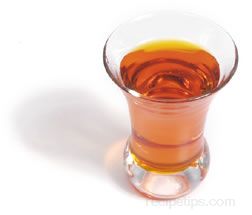
A type of oil derived from hot, red chiles that have been steeped in vegetable oil to extract the flavor and heat contained in the chile.

Any of a variety of containers used to hold vegetable oil or olive oil. The containers generally have a handle on one side and a small spout on the other side for dispensing the oil.
Cottonseed oil is pressed from the seeds of the cotton plant. It is almost always blended with other oils for the creation of various vegetable oils and it is also used in the manufacture of margarine, salad dressings, and commercially prepared fried products.
The oil derived from a process of chemically changing liquid oil from a saturated fat into a stiffer and more stable form, such as occurs by changing a vegetable oil into a stick of margarine.
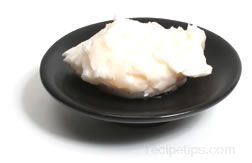
A cooking fat, which is basically flavorless, that is produced from vegetable oils. Through a manufacturing procedure known as hydrogenation, shortening is produced from oil and chemically transformed into a solid.
The temperature at which fats in cooking oils begin to break down, creating smoke as the oil is heated.
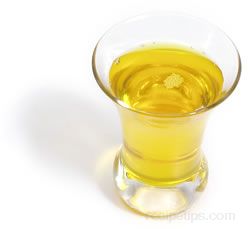
An oil obtained from the seeds of the flax plant. When it is processed, Flaxseed oil is first cold pressed from the seeds, providing an edible oil.
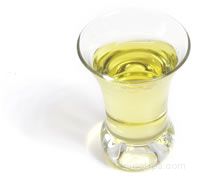
The oil produced from manual or machine pressing of the fruit (olives) from the olive tree. The flavor and color of the olive oil produced from the same variety of olive may vary significantly from one region to the next as well as from grower to grower, since soils and environment will have an effect on creating different flavors within olives grown in the same area.
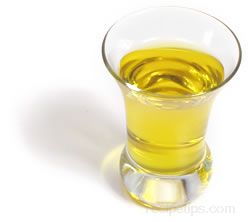
Gourmet oil infused with the flavor from white or black truffles (a rare fungus that grows underground) that have been soaked in olive oil.
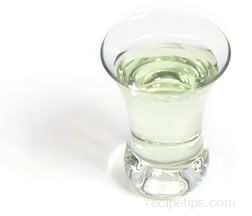
Grapeseed oil is a byproduct of the winemaking industry. The majority of oil extracted from grape seeds is produced in France, Switzerland, and Italy, but there are also a few producers in the United States.
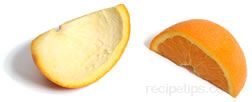
The outer skin or rind of a fruit and vegetable. Vegetables that have this outer skin will generally have the peel removed and discarded before the vegetable is used but there are occasions when it is left on.
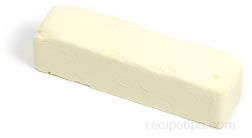
A vegetable fat that has been processed into a soft, spreadable form with a taste, texture and appearance that is similar to butter.
A pump sprayer that can be filled with various types of cooking oils, such as olive or vegetable oil, to be sprayed onto foods (salads, breads, vegetables, etc.) or onto cooking tools (pans or utensils) to either add flavor to the food or to create non-stick surfaces for baking, cooking or grilling.
Top 218 glossary terms found
Displaying 1-20 | Next 20 >>


Advertisement
Advertisement