
Loading
Search
We hope you found what you are searching for. If not, contact us and let us know what your want. We will do the work for you and get back to you when we're done.
pastry - Glossary Search
Top 158 glossary terms found
Displaying 1-20 | Next 20 >>
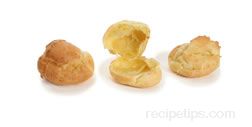
A pastry made by a method different from other pastries in that the dough is made by adding flour to boiling water and butter, and then beating eggs into the mixture.
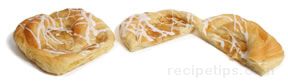
Unleavened dough consisting of flour, shortening or butter, and liquid, such as puff pastry, and pastry for pies or tarts.
A multi-layered pastry, which is made by combining thin layers of pastry dough with a very thin layers of butter (or other solid fat) between each layer of dough.
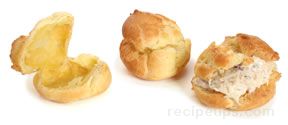
pate,
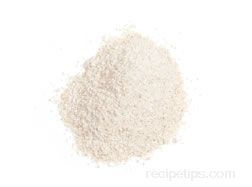
A flour similar to refined white pastry flour, however not all of the bran and germ portions of the wheat kernel have been removed during the milling process.
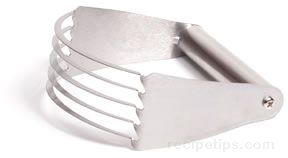
A device, also referred to as a pastry cutter, that is used to cut butter or other solid fat when it is to be blended into flour for making pastry dough, generally pie crusts.

A French term used to refer to the pastry chef, pastry cook or person working with confections, such as cake and pastry decorators.
A French pastry that uses a distinct preparation method, different from other pastry procedures, to produce a silky smooth batter for a light pastry shell with an inner open chamber and thin crumb.
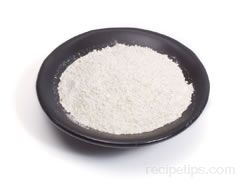
A soft-wheat flour with a fine-texture and a high starch content. Pastry flour is finely ground, but it is not as fine as cake flour.
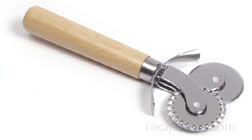
A kitchen utensil used for cutting pastry dough as it is being formed and prepared for baking. This tool can consist of a single wheel or two small wheels that are wooden or metal (stainless steel or zinc alloy), attached to a handle.
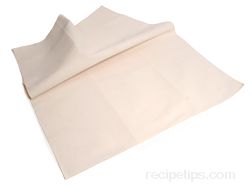
A large cloth made from a heavier weight cotton material that is used for rolling out pastry dough with a rolling pin.
A pastry dessert, which consists of crisp layers of puff pastry, which are covered with a pastry cream filling.
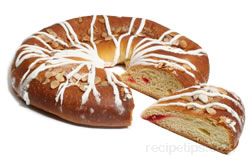
Native to Denmark, a traditional Kringle is a rich pastry made from dough that is repeatedly worked and then layered to create a thin flaky result.
A large, flat type of roll prepared with a rich, flaky pastry of sweet, yeast-leavened dough. The roll is often filled with fruit, preserves, nuts, or cheese and is a popular breakfast item.
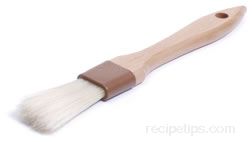
A small round or flat shaped brush made with nylon, silicone or sterilized natural bristles. This type of brush is used to apply glazes to breads, pastries, cookies, meats, and poultry before or after baking.
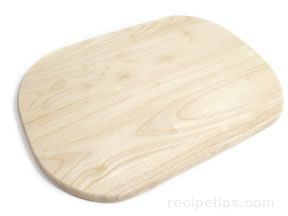
A large wooden board used to mix and knead various types of dough, such as bread, pasta and pastry. It provides a good work surface that is convenient to use and easy to clean.
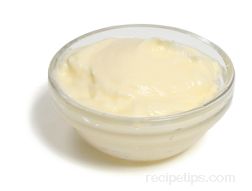
A thick, creamy filling used as a stuffing for cream puffs, éclairs, napoleons, and various pastries.
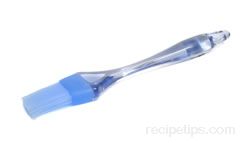
A 1" to 1-1/2" wide, small brush made with nylon or sterilized natural bristles. The brush is used to apply glazing to breads, pastries or cookies before or after baking.
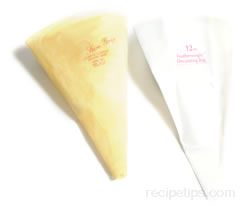
A cone shaped bag that has a small opening on one end and a large opening on the opposite end. The small opening is the decorating end that generally has different tips that can be interchanged to create different decorative shapes.
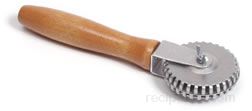
A kitchen tool that is used to close and secure the sides of various foods that will have filling on the inside and dough on the outside.
Top 158 glossary terms found
Displaying 1-20 | Next 20 >>


Advertisement
Advertisement