
Loading
Search
We hope you found what you are searching for. If not, contact us and let us know what your want. We will do the work for you and get back to you when we're done.
tilapia with blue cheese sauce - Knowledge Search
Top 7 articles found
Displaying 1-7
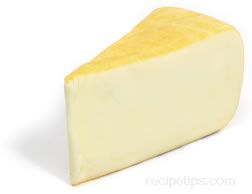
Cheese Groups | Forms of CheeseUses of Cheese | The Issue of Mold and Crystallization in Cheese
Cheese is a dairy product made from the curds of milk that have been separated from the whey.
There are many varieties of pre-made sauces available in food stores and specialty shops that can be used with all varieties of pasta. Experimenting with the pre-made sauces will be the best way to determine what fits your personal preference.
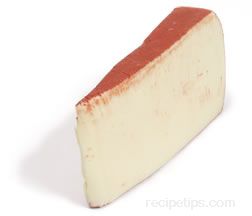
Cheeses of Italy: Farmhouse to Mozzarella
Farmhouse
A term commonly applied to any of the different types of European cheeses that are made by traditional cheese making methods and are produced from the raw milk of animals, such as cows, goats, and sheep that are raised on small regional farms, mountain chalet farms, or mountain huts.
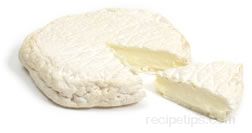
Cheeses of France: Camembert to Fromage Blanc
Camembert
Camembert cheese is French in origin, but it is also made in other European countries and the United States. It is made from cow's milk and when produced, it has a pale yellow color, a soft white rind, and a creamy texture.
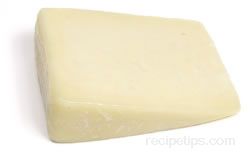
Cheeses of Italy: Asiago to Crucolo
Asiago
A type of Italian cheese made from cow's milk. It has a hard texture and a nutty flavor. Like Parmigiano cheese, it is produced in the shape of a wheel.
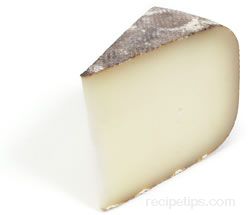
Cheeses of France: Abbaye de Bellocq to Butte
Abbaye de Bellocq
A sheep's milk cheese from the Basque region of France. It is made in the Benedictine Monastery, Abbaye de Notre Dame de Bellocq.
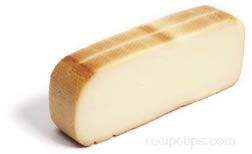
Cheeses of Germany and Austria
Allgauer Emmentaler
Allgauer Emmentaler is a German cow's milk cheese that is much like Swiss Emmental. It is characterized by large holes throughout the cheese and a texture that is somewhat hard.
Top 7 articles found
Displaying 1-7


Advertisement
Advertisement