
Loading
Search
We hope you found what you are searching for. If not, contact us and let us know what your want. We will do the work for you and get back to you when we're done.
dry cured ham - Knowledge Search
Top 17 articles found
Displaying 1-17
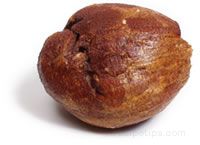
Hams | Raw Hams | Specialty Ham | Miscellaneous
Hams
Hams are cuts of pork that come from the leg, which have been dry cured (country hams) or wet-cured (city hams) and then boiled or smoked.
Hams
Hams are cuts of pork that come from the leg, which have been dry-cured and smoked (country hams) or wet-cured and then boiled or smoked (city hams). The dry-cured hams are saltier, stronger flavored and have a coarser texture.
Cuts of Ham | Ham Types | Smoked Ham | Water contentBone-In / Boneless | Cooked / Uncooked
Cuts of Ham
Hams are cuts of pork that come from the hind leg. The different cuts from the ham are shown below.
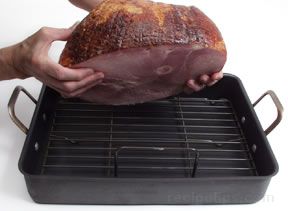
Some tasks to be aware of when preparing and baking a ham: thawing the ham properly, keeping a clean working area, and preparation for the cooking method being used. Most hams are prepared in the same basic manner for many of the ham recipes you will use.
The roasting method can be used on all types of ham with a slight variation in the ham cooking time. Roasting is often used for cooking ham, but there are many other methods that can be used; see the Ham Cooking Guide for more information on how to cook a ham.
Contamination Prevention | Cooking Safety | Proper Storage
When working with pork it is essential that the meat is handled and stored properly to ensure safety. You cannot see the harmful bacteria on the meat so you must handle it as if it is present.

Knowing a little about ham helps to insure that you are selecting ham that is the appropriate type and quality for the ham recipe you are preparing. See our Ham Cooking Times to be sure you are cooking the ham for the appropriate time to produce a safe and delicious ham.
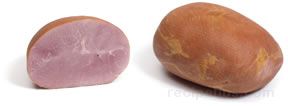
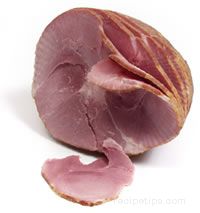
Also known as boned ham, this whole cured ham is a cut of pork that
has had the hip, thigh, and shank bones removed, as well as most of
the fat before it is rolled, molded, and packaged.
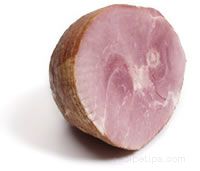
When shopping for ham there are several factors that you need to consider to be assured of purchasing the correct quantity, quality, and type of ham for your needs. Having basic knowledge of what to look and how much to buy will help you produce your ham recipes successfully.
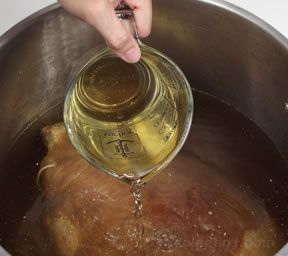
Boiling (or simmering) ham is a moist heat method of cooking. It is also a healthy method of cooking ham because no fat is added during the cooking process. It retains the flavor, tenderness, and moisture through a gentle simmering process.
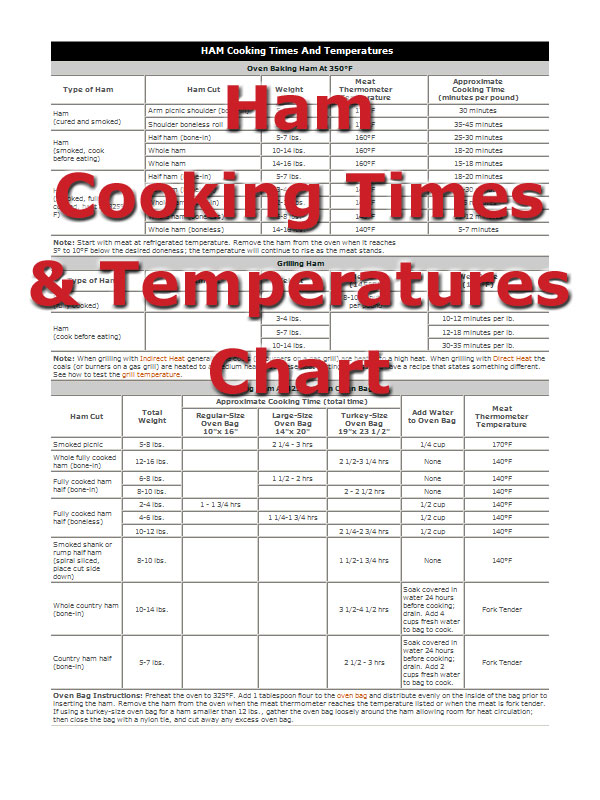
The proper ham cooking time and temperature are extremely important. The optimum flavor and tenderness of the ham can be consistently achieved when care is taken to follow the recommended guidelines for ham cooking times and temperatures.

Pork production today has drastically changed to produce much leaner meat
than what it did 25 years ago. Better breeding and feeding of the hogs
and a grading system that stimulates the meat packers to trim more of
the external fat than they did in the past has resulted in leaner meat.
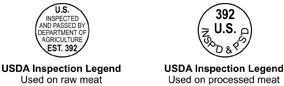
Tips on Selecting Cuts | Terms | Description of Cuts | Inspection and GradingRead the Label | Look and Feel | Quantity to Buy | Purchasing in Quantity
When shopping for pork there are several things that you need to consider so that you will be assured of purchasing the correct quantity, quality and type of pork to satisfy your needs.
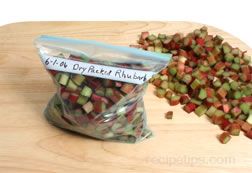
Organize Your Storage Area | Storage Charts
Storing your food properly and under the best condition possible will extend its life to its maximum potential. Some foods can be stored at room temperature and some must be refrigerated.
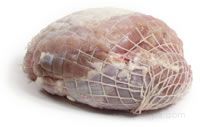
Miscellaneous Turkey Products
Boneless Turkey Roast, Whole
Whole turkeys are available that have been deboned and packaged. A netting is usually placed around the turkey before it is packaged to help hold the shape.
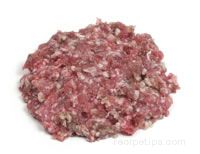
Pork Sausage
There are many different types sausage available. They are made from fresh ground pork, seasonings, fat, preservatives, and fillers, such as breadcrumbs, rice, cereal, soybean flour, and dried milk solids.
Pork is the meat from the carcass of a pig. The carcass is generally split into two sides of pork, each consisting of four primal cuts. Each primal consists of subprimal cuts that are divided into several specific market ready cuts.
Top 17 articles found
Displaying 1-17


Advertisement
Advertisement