
Loading
Search
We hope you found what you are searching for. If not, contact us and let us know what your want. We will do the work for you and get back to you when we're done.
prepared meat - Knowledge Search
Top 223 articles found
Displaying 81-100 | << Prev 20 | Next 20 >>
Cleanliness | Contamination | Doneness | Pasteurization | Proper Storage
Cleanliness
It is important to follow the fundamental rules of cleanliness and proper hygiene when preparing eggs and egg products.

Shopping | Roasting | Grilling and Broiling | SautéingGeneral Safety and Handling | Ground Lamb Safety and Handling | Nutrition
Shopping
When shopping for lamb, select lean cuts and use low fat cooking methods such as roasting, broiling, grilling, braising, or stewing.

USDA Mandatory Inspection | USDA Optional Grading | Religious Restrictions
USDA Mandatory Inspection
All beef sold in the United States must pass inspection by the Food Safety and Inspection Service (FSIS) of the United States Department of Agriculture (USDA).
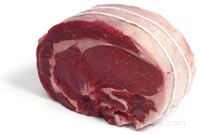
Many cuts of beef purchased at a food store or specialty meat market are ready to cook, but some cuts may need additional trimming or boning before they can be cooked. If extra calories and saturated fat are an issue, then it is best to remove as much external fat as possible.
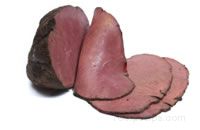
Various cuts of beef can be preserved with large quantities of salt or with the use of brining solutions. The preservation process lengthens the time that the beef products can be used safely.
crock pot, slow cooker, slow cooking

Basic breads are those that are made with a simple recipe of a few ingredients, are yeast leavened, and are usually easy for the home cook to prepare, requiring only basic bread making skills and simple pieces of kitchen equipment.
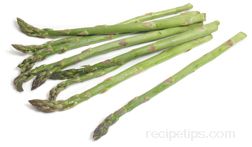
Although Asparagus is especially popular in the spring during its peak season, Asparagus is a vegetable that is enjoyed throughout the year. There is an abundance of asparagus recipes that will suit you taste when it comes to this delectable spring vegetable.
Shopping | Thawing | Marinating | Rubs | Cooking | CarvingGeneral Safety and Handling | Ground Beef Safety and Handling | Nutrition
Shopping
Lean boneless cuts yield up to 4 servings per pound.
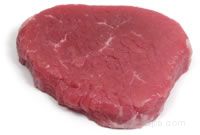
Comparison of Various Cuts of Beef with Chicken | Miscellaneous Nutritional Tips
The USDA recommends 2 or 3 servings of meat, fish, or poultry per day. One serving of cooked beef is equal to 3 ounces and is about the size of a deck of cards.
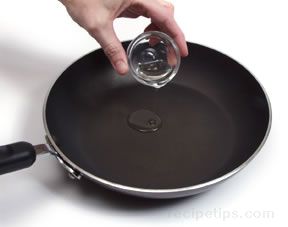
Sautéing | Pan-Frying | Stir-Frying | Deep-Frying | Grilling and BroilingBaking with Olive Oil | Smoke Point | Cooking Guidelines
Sautéing
Sautéing is a cooking process using high heat that browns and sears food quickly in a small quantity of oil or fat in a skillet.
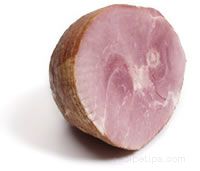
When shopping for ham there are several factors that you need to consider to be assured of purchasing the correct quantity, quality, and type of ham for your needs. Having basic knowledge of what to look and how much to buy will help you produce your ham recipes successfully.
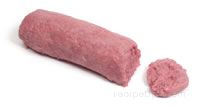
Ground, Cut, and Chopped Turkey
Ground Turkey
Just like beef cuts that are ground into hamburger, turkey can be ground and used in the same way. Ground turkey consists of white or dark turkey meat, or a combination of both.
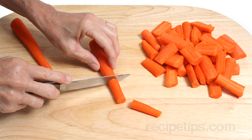
crock pot, slow cooker, slow cooking
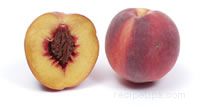
Preparing Peaches | Baking Peaches | Tips
Yellow-Fleshed Peach
White-Fleshed Peach
A sweet juicy fruit that has skin that ranges from white to rich yellow to reddish brown and flesh that ranges from yellow to deep gold and red.
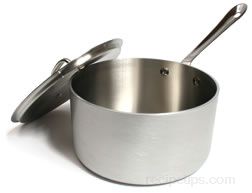
Cookware Materials | Types of Pots and Pans
Cookware consists of different types of pots and pans that are used for specific purposes. Some of the pieces of cookware can be substituted for a type you may not have and still accomplish the type of cooking you need to perform.
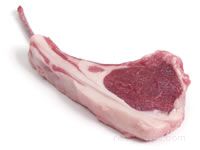
Selecting Cuts | Inspection and Grading | Look and Feel | Quantity to Buy
Selecting Cuts
A successful outcome in cooking lamb depends on matching the recipe or cooking method with an appropriate cut of lamb.
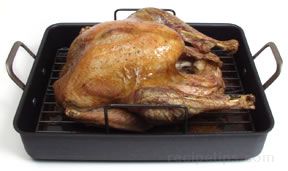
Contamination Prevention | Cooking Safety | Proper Storage
Contamination Prevention
Shopping
When shopping for fresh turkey, make sure it is among the last items selected so that the length of time it is without refrigeration is as short as possible.
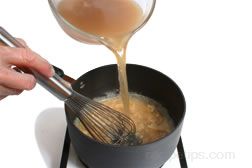
Useful Tools | Making Gravy | Tips
There are many recipes available for making gravy but you will find that most use the turkey drippings, browned pieces from the bottom of the roasting pan, and a small amount of fat to give it great flavor and color.
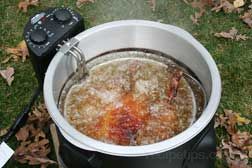
Safety First | Turkey Deep-Fry CookersSelecting the Oil | Measuring the Oil | Preparing the TurkeyPreparing the Cooker | Placing the Turkey into the Cooker | Cooking the Turkey
Deep-frying, also known as deep-fat frying, is a process of immersing food in a deep pot containing hot oil, which cooks the food quickly, producing a crispy surface over a tender and moist interior.
Top 223 articles found
Displaying 81-100 | << Prev 20 | Next 20 >>


Advertisement
Advertisement