
Loading
Search
We hope you found what you are searching for. If not, contact us and let us know what your want. We will do the work for you and get back to you when we're done.
good grilling - Knowledge Search
Top 120 articles found
Displaying 81-100 | << Prev 20 | Next 20 >>
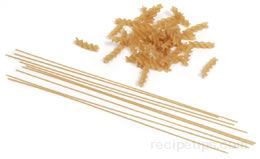
Pasta was once considered to be fattening and have very little nutritional value. Nutritional experts now realize the value of pasta in our diet. Grain based foods, such as pasta, are a good source of fiber and complex carbohydrates.

Pork is the meat from the carcass of a pig. The carcass is generally split into two sides of pork, each consisting of four primal cuts. Each primal consists of subprimal cuts that are divided into several specific market ready cuts.
Shopping | Thawing | Marinating | Rubs | Cooking | CarvingGeneral Safety and Handling | Ground Beef Safety and Handling | Nutrition
Shopping
Lean boneless cuts yield up to 4 servings per pound.
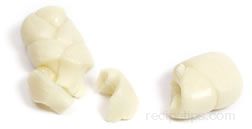
Cheeses of Mexico and the Caribbean: Braided to Oaxaca
Braided
As the name implies, braided cheese refers to twisted lengths of cheese intertwined to create a thick round braid, similar to a braided rope.
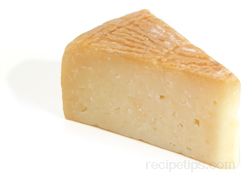
Cheeses of Greece
Brine-cured
Brine cured is a reference to numerous types of cheese that are washed with, or submerged into, a brine bath as part of the cheese making process.
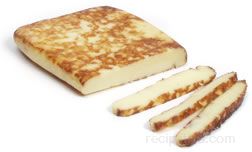
Cheeses of Norway
Baked Cheese
Baked cheese is a type of specialty cow's milk cheese that is common in Norway and other Scandinavian countries. The cheese is baked during the production process, developing a golden brown surface that has an appearance similar to a baked crepe.
Cheeses of Denmark
Baked Cheese
Baked cheese is a type of specialty cow's milk cheese that is common in Denmark and other Scandinavian countries. The cheese is baked during the production process, developing a golden brown surface that has an appearance similar to a baked crepe.
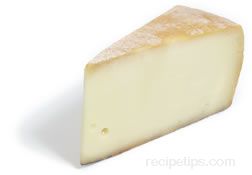
Cheeses of Switzerland
Appenzeller
Appenzeller is a traditional cow's milk cheese produced in Appenzell region of Switzerland. The cheese has a pale yellow-orange color and a firm texture.
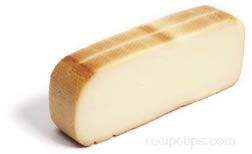
Cheeses of Germany and Austria
Allgauer Emmentaler
Allgauer Emmentaler is a German cow's milk cheese that is much like Swiss Emmental. It is characterized by large holes throughout the cheese and a texture that is somewhat hard.
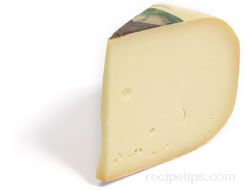
Cheeses of Holland
Boerenkaas
Boerenkaas is a farmhouse-style cheese that originated in Holland. The name comes from the Dutch words boer, which means farmer, and kaas, which means cheese.
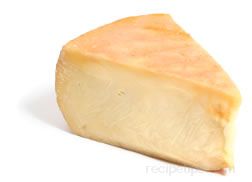
Cheeses of Belgium
Chimay
This cheese gets its name from the town in Belgium where it originated. It is produced under the historic guidance of the monks who originally produced cheeses within their Trappist monastery and community.
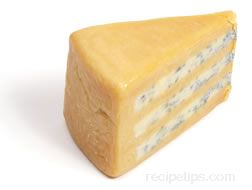
Cheeses of the British Isles: Huntsman English to Wensleydale
Huntsman English
Huntsman English cheese is a combination of Double Gloucester cheese and alternating inner layers of Stilton blue cheese.
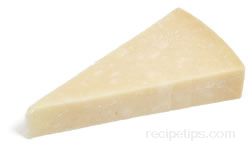
Cheeses of Italy: Parmesan to Trugole
Parmesan
Parmesan is a well-known semi-hard to hard Italian cheese made from partially skimmed cow's milk. Parmesan cheese can be purchased as a young cheese or as an aged cheese.
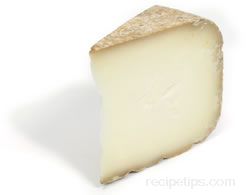
Cheeses of France: Ossau-Iraty to Vacherin Mont d'Or
Ossau-Iraty
A French cheese made from raw (unpasteurized) sheep's milk. The sheep's milk used for the cheese is obtained from Manech or Basco-Béarnaise ewes that are raised along the Pyrenees mountain range in the Basque region of France.
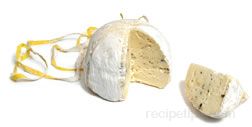
Cheeses of France: Gabietou to Neufchatel
Gabietou
Pronounced gah-bee-ay-too, this cheese is a mixture of one-third raw sheep's milk and two-thirds cow's milk. Originating in southwestern France, Gabietou Cheese is formed into wheels that range in weight from 6 to 10 pounds.
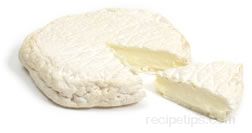
Cheeses of France: Camembert to Fromage Blanc
Camembert
Camembert cheese is French in origin, but it is also made in other European countries and the United States. It is made from cow's milk and when produced, it has a pale yellow color, a soft white rind, and a creamy texture.
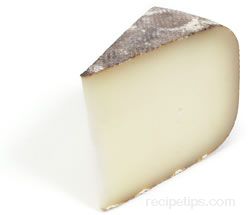
Cheeses of France: Abbaye de Bellocq to Butte
Abbaye de Bellocq
A sheep's milk cheese from the Basque region of France. It is made in the Benedictine Monastery, Abbaye de Notre Dame de Bellocq.
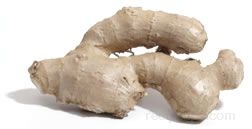
Ginger
A subtropical plant that is grown for its knobby root, which is used as a seasoning in foods. The root, which is actually a rhizome, has a tan skin and a flesh that may range in color from ivory to light green.
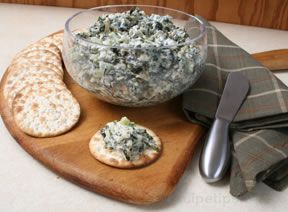
Types of Dips | Common Base Ingredients
Dips are most often prepared with a mixture of ingredients that complement other foods including raw vegetables, chips, crackers, or toast, which are dipped into the mixture; hence the name, dip.
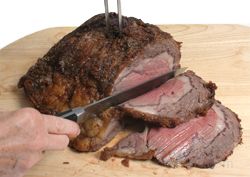
Purchasing | Preparing Prime Rib | Prime Rib Marinades | Rubs for Prime RibCooking Prime Rib | Checking Doneness | Carving Prime Rib | Serving Prime Rib
Knowing how to cook prime rib requires the understanding of only a few preparation steps and watching the temperature of the prime rib closely as it cooks.
Top 120 articles found
Displaying 81-100 | << Prev 20 | Next 20 >>


Advertisement
Advertisement