
Loading
Search
We hope you found what you are searching for. If not, contact us and let us know what your want. We will do the work for you and get back to you when we're done.
rice - Knowledge Search
Top 103 articles found
Displaying 61-80 | << Prev 20 | Next 20 >>
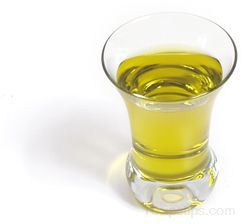
Types of Fat Structures | Fat Composition of Oils and Solid FatsThe Controversy over Coconut Oil | Olive Oil Nutritional Facts
Types of Fat Structures
All edible oils and solid fats are 100% fat, but the components that make up the fat structure of a particular edible fat are important in determining whether or not it is considered healthy.
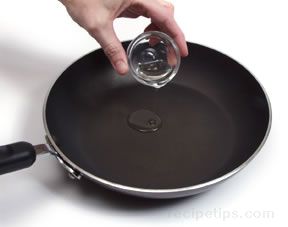
Sautéing | Pan-Frying | Stir-Frying | Deep-Frying | Grilling and BroilingBaking with Olive Oil | Smoke Point | Cooking Guidelines
Sautéing
Sautéing is a cooking process using high heat that browns and sears food quickly in a small quantity of oil or fat in a skillet.
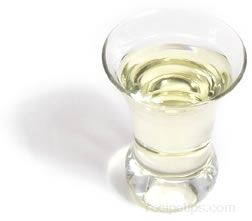
Oil Extraction Methods | Types of Edible Liquid FatsOlive Oil Basics | Types of Olive Oil
Oil Extraction Methods
There are numerous edible oils obtained from plant sources that are used for hundreds of culinary, pharmaceutical, and cosmetic products.
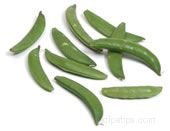
Fresh Pea & Pod Pea Preparation | Fresh Pea & Pod Pea CookingDried Field Pea Preparation | Dried Field Pea CookingPea Recipes | Tips
Peas
Varieties of small round legumes that are typically classified as fresh, field or pod peas.
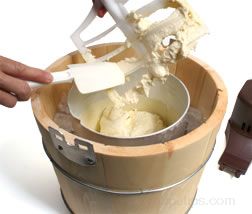
Homemade ice cream is a special summer treat enjoyed by the entire family. Learning how to make homemade ice cream allows you to make great treats and provides family fun in creating special family flavors. You can even learn how to make ice cream without using an ice cream maker.
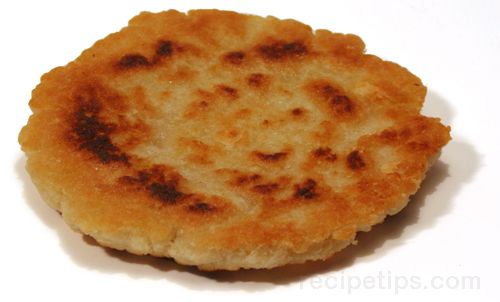
Flat Breads
Flat breads are made from both leavened and unleavened doughs. Both types have a general flat shape, although leavened flat breads are generally a bit taller and have a softer texture than unleavened flat breads.
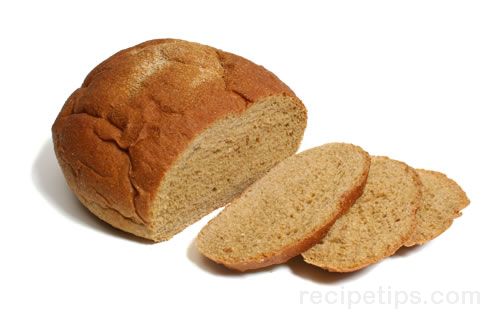
Enriched and/or Flavored Breads
Some basic yeast bread recipes are enhanced with other ingredients that change the characteristics of the bread including the texture, flavor, and color.
Leavening Agents | Liquids | SaltsFats and Oils | Sweeteners | Other Flavoring Ingredients
Leavening Agents
Leavening agents are the substances that allow bread dough to rise.
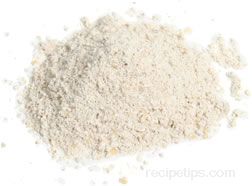
Types of Wheat Flour | Types of Non-Wheat FlourImportance of Gluten | Wheat/Non-Wheat Flour Proportions
Flour is the main ingredient in all types of breads. Different types of flour milled from wheat are most commonly used for making bread.
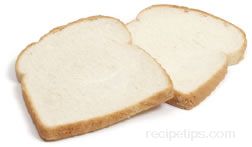
Nutritional Profile of Bread | Significance of Enriched White Bread | Gluten
Nutritional Profile of Bread
The nutritional profiles for the breads listed below represent average profiles for each type of bread.

Selecting a Date | Choosing a Setting | Party Themes | InvitationsMenu and Serving Ideas | Decorations | More Ideas | Graduation Recipes
Graduation Day. The day every teenager has been waiting for since they started high school.
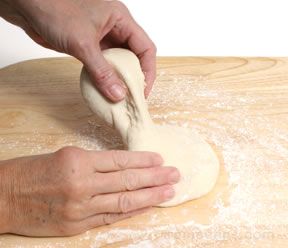
Nutritional Advantages | All About Gluten
Nutritional Advantages of Various Types of Flour
Most types of flour are composed mainly of carbohydrates, but the quantity varies according to the type of substance used to create the flour.
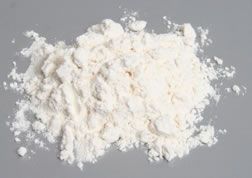
Most types of flour keep well in a sealed container in a cool, dry, and dark location. The original paper packaging used for many types of flour is fine for long term storage as long as the package has not been opened.
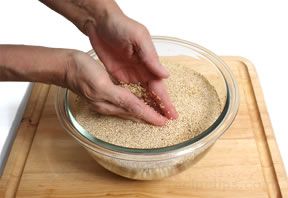
Grinding or milling various types of flour in the home can be accomplished with only a few basic tools. Some tools make the job easier and some types of flour are easier to create depending on the type of grain or other substance that is used.
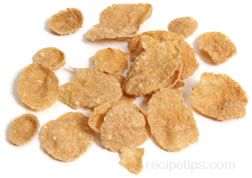
Described below are some of the products (including flour) created directly from various grains. Other than a few exceptions, products that are created after the grain has been ground into flour are not described, because they are so numerous.
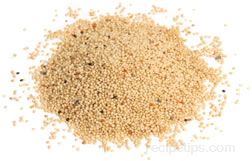
Amaranth
Locations where consumers can purchase the whole grain and various products made from the grain:
Natural and health food stores
Specialty shops
Food co-o...
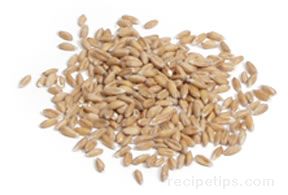
The many types of grains that are used for food have much in common despite the differences in size, color, texture, and flavor. All grains are the seeds of the plants, and the composition of the seeds or grains is basically the same.
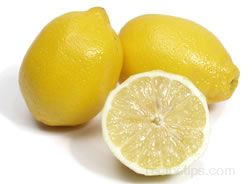
Lemon Preparation | Lemon Recipes | Tips
Lemons
An oval shaped, yellow citrus fruit with flesh that is generally contained in 8 to 10 segments. It has a bright yellow skin that can be thin and lightly textured or thick and heavier textured.
Use this alcohol substitution and conversion chart to select ingredient substitutes when you do not want to use alcohol in recipes that call for the use of alcohol.
Alcohol Substitutes for Cooking
Type of Alcohol
Substitute
Amaretto
Almond extract (1/2 teaspoon extract for 2 tablespoons of Amaretto) or Italian soda syrup.
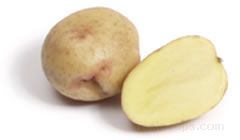
Tools for Preparation | Potato Preparation | Potato Cooking | Tips
Potatoes
The most popular tuber vegetable in the world. It is available in hundreds of varieties, which vary in size, shape, taste, color, and starch content.
Top 103 articles found
Displaying 61-80 | << Prev 20 | Next 20 >>


Advertisement
Advertisement