
Loading
Search
We hope you found what you are searching for. If not, contact us and let us know what your want. We will do the work for you and get back to you when we're done.
chicken roasting meat only cooked roasted - Knowledge Search
Top 94 articles found
Displaying 41-60 | << Prev 20 | Next 20 >>

Turkey Meat Nutritional Value | Turkey Products Nutritional ValueTurkey Cooking Nutritional Tips
The USDA recommends 2 or 3 servings of meat, fish, or poultry per day. A serving of any type of cooked meat is equal to 3 ounces and is about the size of a deck of cards.
Chicken is high in protein, low in fat and low in cholesterol, making it a good selection for a healthy diet. Our bodies require a certain amount of protein daily and the body does not store protein so we need to replenish it each day.
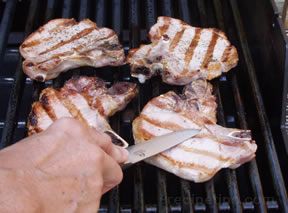
Grilling is a cooking method that uses a dry heat that quickly cooks the surface and then slowly moves to the middle of the meat. When grilled properly, the meat will have a crisp flavorful outside coating with a moist center. Grilling infuses the pork with a smoky flavor from the meat juices that drip during the grilling process.
General Guidelines for Proper DonenessMeat Thermometers | Unsafe Cooking Methods
General Guidelines for Proper Doneness
Consider the Following Points whenDetermining the Proper Doneness of Turkey
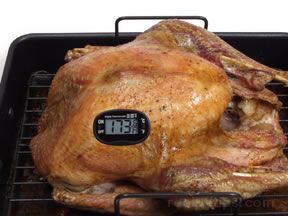
A whole turkey should be cooked until the internal temperature of the breast meat reaches 170°F and the deepest portion of the thigh reaches 180°F.

Stuffing can be made from many different ingredients, such as simple herbs, vegetables and fruit, but can also be made from more complex bread based or grain based (grains, such as rice, barley and kasha that are cooked until tender) recipes.
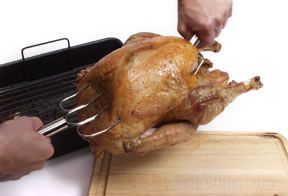
Deciding how to cook a turkey can be difficult, especially with all the options that are available. Here you will find a listing of different ways to enjoy cooking a turkey.
Deep Frying Turkey
The optimum cooking temperature for deep-frying the turkey is 350ºF.
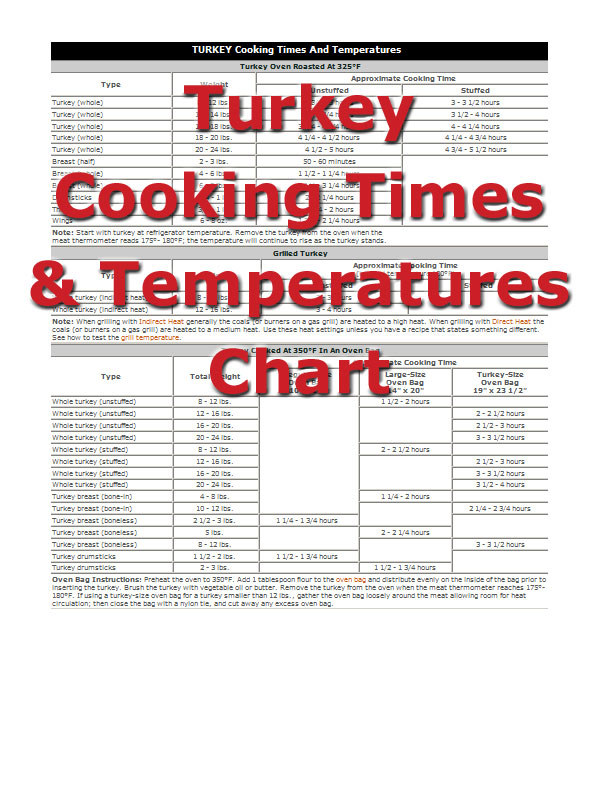
The proper turkey cooking times and the correct turkey cooking temperature are extremely important when cooking turkey. The optimum flavor and tenderness of turkey can be consistently achieved when care is taken to follow the recommended turkey cooking time and temperature guidelines.
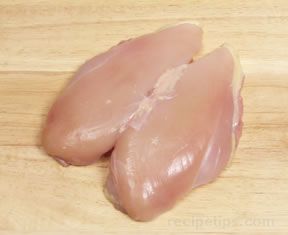
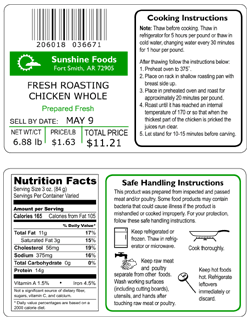
Looking at and feeling the chicken can give you information that the label will not provide. When shopping for a whole fresh chicken that you are planning on roasting whole, select one that has a rounded, plump breast, because it would contain more breast meat, which provides a nicely shaped bird when roasted.
Reading the label will inform you as to the type of chicken, the parts contained in the package, the total weight, a description, how fresh it is, and nutritional information.
Sautéing | Pan-Frying | Stir-Frying | Deep-Frying | Grilling and BroilingBaking with Olive Oil | Smoke Point | Cooking Guidelines
Sautéing
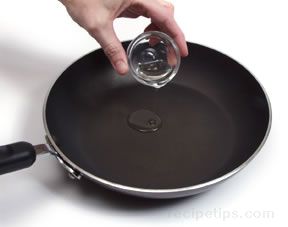
Sautéing is a cooking process using high heat that browns and sears food quickly in a small quantity of oil or fat in a skillet.
Tenderness Tips
Avoid freezing whenever possible to eliminate moisture loss that occurs during thawing. The moisture loss in thawing results in less tender meat.
Keep pork from drying out in the refrigerator by keeping it tightly wrapped.
In order to cook beef properly, the appropriate cooking method should be selected for each type of beef cut. For example, if you plan on using grilling as a cooking method, a tough beef cut from the round or plate should not be used, unless the intention is to tenderize the meat before cooking it.
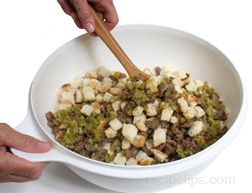
How to Make Stuffing
Ingredients | Prepare | Cooking | Other Meats | Safety | Tips
Stuffing is a side dish commonly associated with turkey and Thanksgiving but it can also be enjoyed throughout the year and with many types of meat.
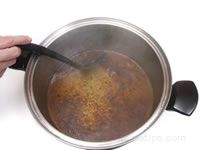
The reasoning behind cooking with wine is to intensify and enhance the flavor of food. Wine is known to release flavors in food that otherwise could not be experienced. The following are guidelines and tips particularly directed at the novice cook or a cook new to the world of cooking with wine.
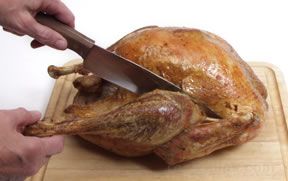
Cooking and carving a turkey can seem like a challenge but if you follow some basic guidelines it can be accomplished successfully. If you are cooking a turkey that is whole, there are several methods that can be used.
The USDA recommends 2 or 3 servings of meat, fish, or poultry per day. One serving of cooked lamb is equal to 3 ounces and is about the size of a deck of cards. An average 3-ounce serving of lamb contains about 176 calories, which is comparable to many other types of red meat and poultry.
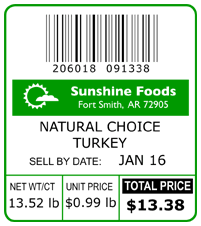
Use the charts below to help determine how much to buy of the foods listed below when preparing a meal or a recipe for a specific number of people.
Pasta Buying Guide | Rice Buying Guide | Egg Buying Guide | Meat Buying Guides
Pasta Buying Guide
The quantities in the chart below are approximates only.
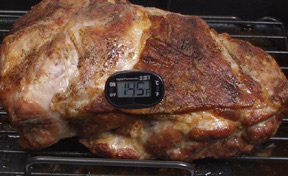
Ham is usually served on the holidays, so be sure to read our tips to learn how to cook and bake the perfect ham for your guests. There are many ham glaze recipes that can be used to enhance the flavor of ham and there are many different methods of cooking ham that can be used. When you end up with excess ham after a meal there are many leftover ham recipes that you can make to use up the leftovers.
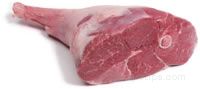
Roasts for Braising
Tougher cuts of lamb that contain a large quantity of collagen
(connective tissue) are ideal candidates for braising.
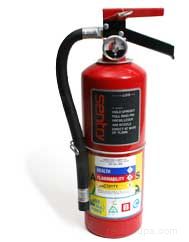
Safety First | Rotisserie ComponentsRotisserie Grilling Using a Charcoal Grill | Rotisserie Grilling Using a Gas Grill
Rotisserie grilling is one of the oldest methods of cooking.
Top 94 articles found
Displaying 41-60 | << Prev 20 | Next 20 >>


Advertisement
Advertisement