
Loading
Search
We hope you found what you are searching for. If not, contact us and let us know what your want. We will do the work for you and get back to you when we're done.
meat tenderizing - Knowledge Search
Top 51 articles found
Displaying 21-40 | << Prev 20 | Next 11 >>
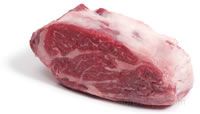
Pot Roasts
Cuts from the chuck are among the most popular cuts for pot-roasting (braising). They have plenty of connective tissues that melt when the meat is pot-roasted making it tender and flavorful.

The USDA recommends 2 or 3 servings of meat, fish, or poultry per day. One serving of cooked lamb is equal to 3 ounces and is about the size of a deck of cards. An average 3-ounce serving of lamb contains about 176 calories, which is comparable to many other types of red meat and poultry.
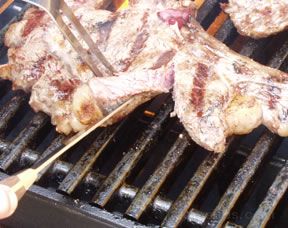
The high heat of grilling sears the surface of beef, creating tender meat with a flavorful crust. The required cooking temperature and the method of grilling (direct, indirect, or a combination) depends on the cut of beef and the quality of the meat.
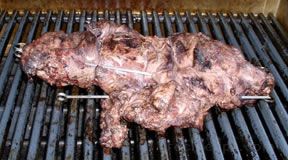
Dry Heat Cooking | Moist Heat Cooking
There are two general methods used for cooking lamb (and most other meats):Dry Heat Cooking and Moist Heat Cooking.
Dry Heat Cooking
When cooking lamb using dry heat cooking, the meat is in direct contact with a hot surface or close to the heat source.
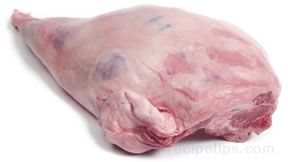
Roasting a rack of lamb is an impressive entrée to prepare for Easter or any special occasion. Roasted Rack of Lamb will be the main attraction on any dinner table. Use the appropriate lamb cooking times for proper doneness, and you will have a spectacular feast for any special dinner.
In order to cook beef properly, the appropriate cooking method should be selected for each type of beef cut. For example, if you plan on using grilling as a cooking method, a tough beef cut from the round or plate should not be used, unless the intention is to tenderize the meat before cooking it.
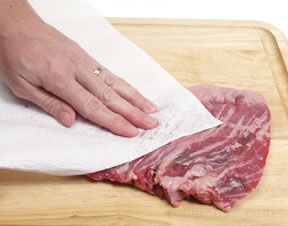
Sautéing is a cooking process using high heat that quickly browns and sears beef in a small quantity of oil in a skillet. It is actually the same process as searing except that sautéing completely cooks the meat and searing is simply a means to brown the meat so that the cooking process can be completed with another method.
Beef can be aged so that the flavor and tenderness are enhanced. As the beef ages, enzymes in the meat are released which help to soften the tough, connective tissues. The aging process must be performed under carefully monitored conditions by a professional and should not be tried at home.
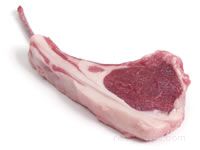
Selecting Cuts | Inspection and Grading | Look and Feel | Quantity to Buy
Selecting Cuts
A successful outcome in cooking lamb depends on matching the recipe or cooking method with an appropriate cut of lamb.
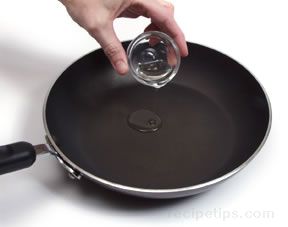
Sautéing | Pan-Frying | Stir-Frying | Deep-Frying | Grilling and BroilingBaking with Olive Oil | Smoke Point | Cooking Guidelines
Sautéing
Sautéing is a cooking process using high heat that browns and sears food quickly in a small quantity of oil or fat in a skillet.
Shopping | Roasting | Grilling and Broiling | SautéingGeneral Safety and Handling | Ground Lamb Safety and Handling | Nutrition
Shopping
When shopping for lamb, select lean cuts and use low fat cooking methods such as roasting, broiling, grilling, braising, or stewing.
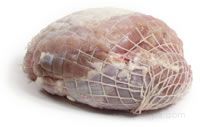
Miscellaneous Turkey Products
Boneless Turkey Roast, Whole
Whole turkeys are available that have been deboned and packaged. A netting is usually placed around the turkey before it is packaged to help hold the shape.
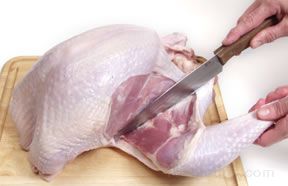
Cutting the Wings | Cutting the Legs | Cutting the Breast | Back Meat
Turkey parts such as wings, legs, and breasts can be purchased at most food stores already cut and packaged, but it is usually more economical to purchase a whole turkey and cut it up at home.

USDA Mandatory Inspection | USDA Optional Grading | Religious Restrictions
USDA Mandatory Inspection
All beef sold in the United States must pass inspection by the Food Safety and Inspection Service (FSIS) of the United States Department of Agriculture (USDA).
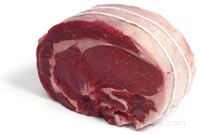
Many cuts of beef purchased at a food store or specialty meat market are ready to cook, but some cuts may need additional trimming or boning before they can be cooked. If extra calories and saturated fat are an issue, then it is best to remove as much external fat as possible.
Shopping | Thawing | Marinating | Rubs | Cooking | CarvingGeneral Safety and Handling | Ground Beef Safety and Handling | Nutrition
Shopping
Lean boneless cuts yield up to 4 servings per pound.
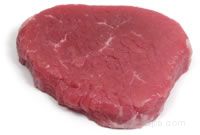
Comparison of Various Cuts of Beef with Chicken | Miscellaneous Nutritional Tips
The USDA recommends 2 or 3 servings of meat, fish, or poultry per day. One serving of cooked beef is equal to 3 ounces and is about the size of a deck of cards.
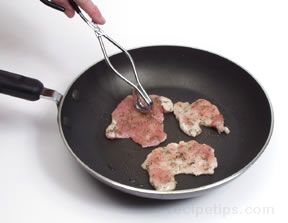
Sautéing is a cooking process using high heat that quickly browns and sears food in a small quantity of oil in a skillet. It is actually the same process as searing except that sautéing completely cooks the meat and searing is simply a means to brown the meat so that the cooking process can be completed with another method.
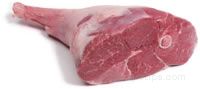
Roasts for Braising
Tougher cuts of lamb that contain a large quantity of collagen
(connective tissue) are ideal candidates for braising.
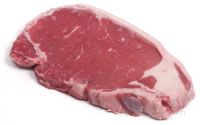
When purchasing packaged fresh beef in a food store, the packages should be cold and the meat should be firm. The packaging should be in good condition with no tears or holes in the wrapping.
Top 51 articles found
Displaying 21-40 | << Prev 20 | Next 11 >>


Advertisement
Advertisement