
Loading
Search
We hope you found what you are searching for. If not, contact us and let us know what your want. We will do the work for you and get back to you when we're done.
steam canner - Glossary Search
Top 20 glossary terms found
Displaying 1-20
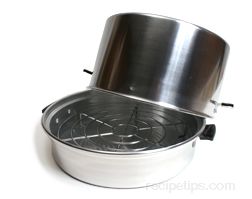
A canner used to cook, sterilize and preserve high acid foods that are to be canned for future use. The steam canner consists of a water pan, a jar rack and a dome steam cover.
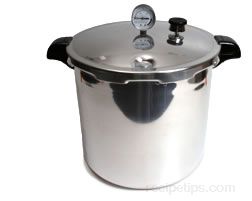
A kitchen utensil used to cook, sterilize, and preserve low acid foods that are to be canned for future use.
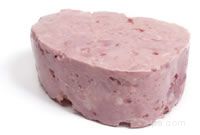
A canned ham consists of pieces of ham that have been brine cured, pressed or molded, vacuum-sealed in a can, and then fully cooked.
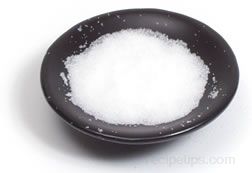
A fine-grained salt that does not contain iodine or other additives, that is used in the process to pickle meats and can foods.
A controlled method used for preserving foods with a pressure canner, also referred to as a pressure cooker, that is used for the heating and cooking process.

A method of canning where the food is heat processed directly in a covered kettle and then, while hot, poured into sterile jars and sealed.

Bands and lids used to seal foods in canning jars. The set includes a lid that has a rubber seal around the outer edge and a screw on band that is placed over the lid and screwed down to hold the lid in place.
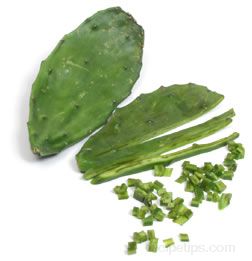
The edible leaf or paddle of the prickly pear cactus. Nopal is the Mexican word for cactus and the leaf growing on the stem is referred to as Nopales.
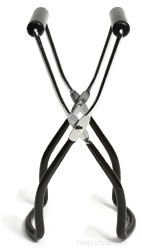
A utensil used for the canning of foods when working with glass jars. As the jars for canning are sterilized in a hot water bath or as they are pressure cooked with water converted to steam, the sealed jars become very hot and require a device to remove them from the cooker.
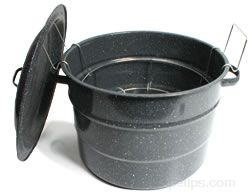
A large pot with a lid and a special rack used for holding jars. The pot is filled with water and heated in order to heat-treat pints and quarts of food for home canning.
The edible leaf or paddle of the prickly pear cactus and other varieties of cactus. It is prepared by removing the thorns and eyes, after which it is served fresh, canned, cooked, steamed, or pickled.
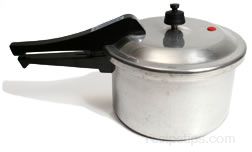
A cooking utensil that creates pressurized steam to cook foods. A traditional pressure cooker consists of a steel pot with an aluminum base, a locking lid containing an airtight seal, and a removable safety valve (on older models) that attaches to the lid or a built-in value with easy to read pressure markings (newer models).
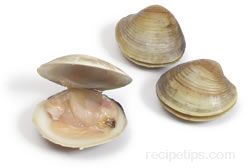
A type of bivalve mollusk found in shallow areas of ocean salt water and in numerous areas of fresh water.
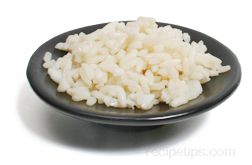
A type of rice that has been altered through various processing methods to improve it for cooking and eating.
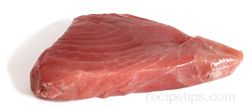
A saltwater fish found in temperate and tropical waters worldwide that is sleek in appearance and often silver, blue and black in color.
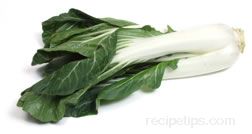
Cooking greens from the mustard plant that are grown in both red and green varieties. This green provides a peppery flavor to assorted cooked dishes or when eaten raw.
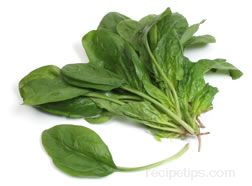
A leafy green vegetable or salad green with a flavor that is slightly bitter tasting, derived from the oxalic acid contained in spinach.
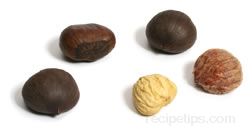
A nut harvested from the branches of the Chestnut tree, a member of the beech family of plants. A prickly outer casing is removed to expose a dark brown, glossy shell that covers a sweet, but mealy fleshed nut.
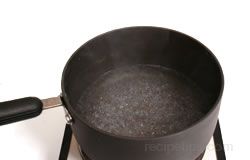
The process of heating liquid to the temperature at which it will begin to transform into a gaseous state, which is 212ºF or 100ºC when water is boiled at sea level.
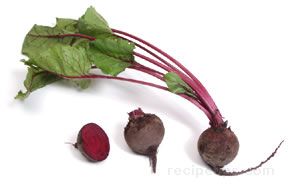
A root vegetable grown for the leaves that are used as cooking greens (beet greens) and the firm textured bulbous root, which is served as a cooked vegetable.
Top 20 glossary terms found
Displaying 1-20


Advertisement
Advertisement