
Loading
Search
We hope you found what you are searching for. If not, contact us and let us know what your want. We will do the work for you and get back to you when we're done.
fortified wine - Glossary Search
Top 99 glossary terms found
Displaying 1-20 | Next 20 >>

A wine that has been blended with brandy or other spirits. Fortified wines contain 15% to 24% alcohol when compared to most other wines containing up to 15% alcohol.
Wine made from basically one variety of grape. The wine is labeled for the single grape variety or the most prominent grape variety used to produce the wine.
Wine made from grapes that were harvested in a specific year. The date is denoted on the label of the wine.
White wine produced from grapes that are kept on the vine until the first deep frost. Grapes are then typically pressed while still frozen.
Descriptor of wine that has bubbles. The bubbles are created by carbon dioxide gas that has occurred naturally or through secondary fermentation or has been added intentionally.
A wine fortified by adding grape alcohol partway through the fermentation. The wine is kept in oak for a relatively short time, then fortified and aged in bottles.
Term used to describe the process of blending two or more wine varieties, wine types, wine lots, or wine vintages with the goal of creating one balanced and complex wine.
non vintage,
An alcoholic beverage made from the fermented juice of fruits and vegetables. Grapes account for the largest segment of wine making.
A fortified wine that has been cask-aged and been blended with grape brandy following the fermentation process.
The tasting of wine with the purpose of analyzing the quality of the wine. The serious wine taster follows strict guidelines in terms of proper equipment (white table cloths, decanters, etc.
Winemakers often supplement wines during winemaking by adding small amounts of sulfur dioxide to protect fruit quality and prevent oxidation, allowing wine to age well.
Wines made from basically one variety of grapes. The flavor and other characteristics of the wine are strongly influenced by the variety of grape used.
A rich, Italian wine to which brandy has been added to convert the sugar into a higher alcohol content.
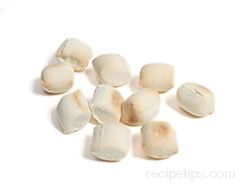
Similar in appearance to an enlarged oyster cracker, this type of cracker is served after tasting different varieties of wine.
Positive Descriptor of wine that fills the mouth. Although “fat” wines typically lack elegance, “fat” wine is highly valued by connoisseurs of sweet dessert wines.
A fortified wine that has been seasoned with herbs and spices that is served as an aperitif. French in origin, this beverage is available as a red wine, known as Dubonnet rouge or a white wine referred to as Dubonnet Blanc.
The purpose of swirling wine in a glass is to oxygenate the wine. When oxygen is introduced to a wine it releases the chemical components that produce those aromas we search for and is thought to smooth the taste of the wine.
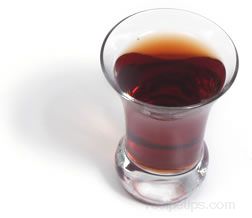
Any of a variety of different types of wine that are used to enhance the flavor of food dishes, such as meat, poultry, seafood, stew, vegetables, and sauces, while they are being cooked.
An Italian wine that is made using the Passito Method in the Veneto region. During the drying process, the grapes may develop Botrytis Cinerea, giving them added intensity and fullness.
Top 99 glossary terms found
Displaying 1-20 | Next 20 >>


Advertisement
Advertisement