
Loading
Search
We hope you found what you are searching for. If not, contact us and let us know what your want. We will do the work for you and get back to you when we're done.
fat - Glossary Search
Top 250 glossary terms found
Displaying 161-180 | << Prev 20 | Next 20 >>
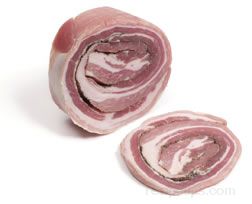
An Italian meat, which is traditionally air-dried up to four months and cured with salt, pepper, sugar, and other seasonings such as herbs, cinnamon, nutmeg, and cloves.

To cook meat or fish in an uncovered frying pan at a high temperature with the use of little or no grease, pouring off fat as it builds up.
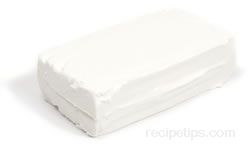
Originating in the Normandy region of France, this cheese is a soft unripened cheese, which is very similar to cream cheese in texture, taste and use.
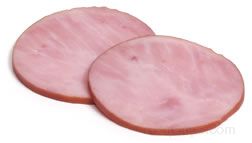
A meat product produced from a cut of pork taken from the eye of the loin, making it very lean and lacking in fat.
A type of ham that is Spanish in origin and produced exclusively from rare Iberian pigs, which are descendents of the wild boar and are the last European free-range pig breed.
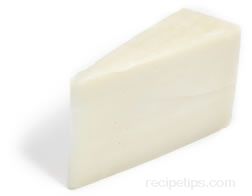
A Spanish cheese that is made from unpasteurized milk of Majorera goats on the island of Fuerteventura, which is one of the Canary Islands.
A Cajun food dish prepared with poultry giblets (turkey or chicken gizzard and liver), ground chicken, turkey, beef, or game, onions, green peppers, celery, fried or steamed rice, garlic, pepper, bacon fat, and Cajun seasoning.
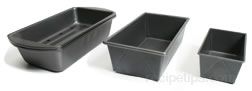
A baking pan, rectangular in shape and deep walled, that is used to bake a single loaf of bread or various types of meat loaves.
A term used to describe beef that has not been graded by the USDA. Beef carcasses graded by the USDA have a grading stamp rolled on the exterior fat of the carcass to identify the grade of the meat.
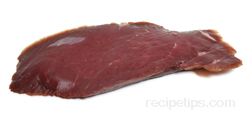
A large bird ranging in size from 250 to 400 pounds at maturity, that is generally raised to produce meat, feathers, and skin for speciality markets throughout the world.
A diet based on the consumption of plenty of fruits and vegetables, grains, beans, nuts, olive oil, fish, and poultry.
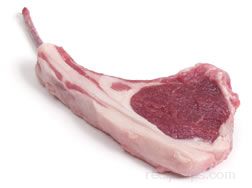
A rib chop is, with the loin chop, the most highly prized, the most tender, and tastiest cut of lamb.
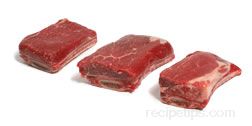
Short ribs that have been cut from the beef chuck primal (ribs 1 through 5). They have plenty of meat and have less fat than short ribs from the plate.
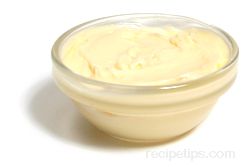
A type of nut butter made from soybeans that are roasted, crushed, and mixed with soybean oil to form a stiff textured food spread with a mild nutty flavor.
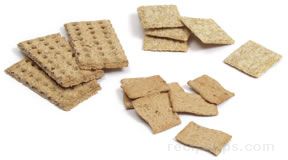
A cracker that has been made from grain that is hulled (removing the outer husk), cleaned, and roasted or baked in some manner.
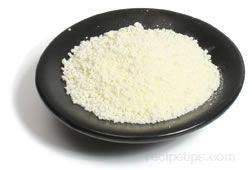
Milk that has had most of the water content removed, reducing it to a dry powder form. Dry whole milk must be refrigerated because its high fat content is susceptible to spoilage if not refrigerated.
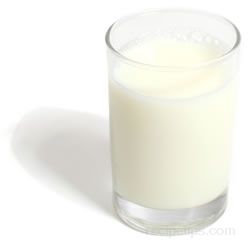
A type of milk that contains a low amount of lactose or is free of lactose. Typically, milk with reduced lactose has been fortified with lactase, an enzyme used to break down the lactose (sugars) in the milk making it easier to digest for individuals considered lactose intolerant.
A Norwegian goat's milk cheese that has a very strong flavor and a texture that ranges from soft to very hard depending on its age.
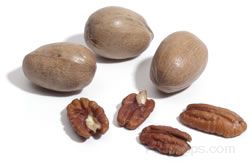
One of the varieties of nuts harvested from the hickory tree that has a hard, thin, tan outer shell containing a beige and brown nut on the inside.
A traditional cheese of France and Switzerland made from cow's milk that typically will contain almost 50 percent milk fat.
Top 250 glossary terms found
Displaying 161-180 | << Prev 20 | Next 20 >>


Advertisement
Advertisement