
Loading
Search
We hope you found what you are searching for. If not, contact us and let us know what your want. We will do the work for you and get back to you when we're done.
sparkling wine - Glossary Search
Top 162 glossary terms found
Displaying 81-100 | << Prev 20 | Next 20 >>
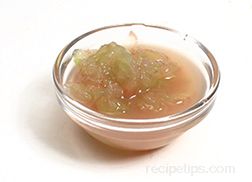
In reference to wine making, "pulp" refers to the flesh of the grape. The pulp contains a majority of the water, sugar, and acid that forms the grape juice extracted from the grapes.

Descriptor of wine that is nearly a synonym for “fat”, though considered a step below when describing fullness in the mouth.
French for "dry". The term "Brut" appears on the label of dry champagne and sparkling wine. Brut is always drier than an Extra Dry bottling.
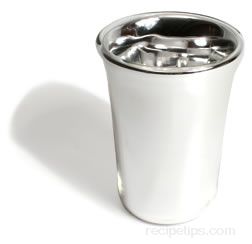
Any type of utensil or piece of equipment that is used to keep wine chilled. Depending on function, wine coolers may be a simple as a table top containers to cool wine as well as hand held totes to carry chilled wine or as elaborate as refrigerated units that hold many bottles of wine that can be maintained at specific temperatures.
wineglass, wine glass, wineglasses, wine glasses,
An unpleasant "nose" that presents itself when a bottle of wine is initially opened. The offensive odor is an indication that the wine is unfit for consumption.
An unpleasant "nose" that presents itself when a bottle of wine is opened. The odor is caused by metal contamination during the ageing or wine making process.
A vague term suggesting that the flavors of fruit, the tannins, acidity, and the alcohol of a specific wine are pleasingly proportioned.
The title given to a person who is typically employed in a restaurant, food and beverage service company, or a similar occupation who is capable of providing a depth of knowledge regarding different types of wine, their use, the pairing with other foods, and general background information.
A winemaking term that describes the process of breaking up and “punching down” the skin cap into the fermenting juices of red wine.
Similar to other kosher foods, making a wine kosher involves processes and procedures that follow specific guidelines and laws established by the Jewish community.
An unpleasant "nose" that presents itself when a bottle of wine is initially opened. The odor is most often the result of rotten grapes or unclean casks.
The tasting of numerous wines that are from the same vintage but originate from different wineries.
Microscopic organisms that manufacture the enzymes that convert sugar to alcohol, a process necessary for the fermentation of grape juice into wine.
A clear glass or plastic tube with a narrowed opening at either end, is used for sampling of wines in storage vessels.
Opposite of a "filtered wine".
A descriptor of a wine lacking in taste, body, and depth.
Descriptor of smooth, balanced wine with developed flavor.
Descriptor for an elegantly balanced wine.
Also known as bottle fermentation. A secondary fermentation that occurs naturally within a bottle of wine.
Top 162 glossary terms found
Displaying 81-100 | << Prev 20 | Next 20 >>


Advertisement
Advertisement