
Loading
Search
We hope you found what you are searching for. If not, contact us and let us know what your want. We will do the work for you and get back to you when we're done.
lemon oil - Glossary Search
Top 102 glossary terms found
Displaying 81-100 | << Prev 20 | Next 2 >>

1. To add flavoring to a food to enhance its taste. Some types of flavorings that are used are salt, pepper, herbs, spices, lemon juice, vinegar and condiments.
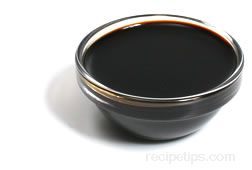
A food flavoring extracted from oils within sugar maple trees that is processed into a combination of maple flavoring with an alcohol base.

A flavoring produced from dissolving the oil of anise seeds into alcohol. The extract has a sweet licorice taste and is used as a flavoring for cooking.
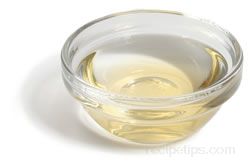
A concentrated flavoring made from the combination of almond oil with alcohol. It is used as a flavoring in many recipes, especially cakes and pastries and it can be purchased in various sized bottles.
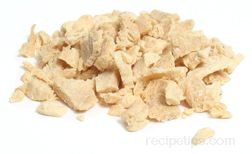
A by-product of soybean oil, this high protein food substitute is produced from a dough containing soy flour that has been processed to remove the fats contained in the soy substance.
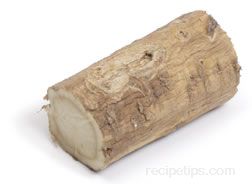
A fleshy white root vegetable harvested from a plant that is a member of the mustard family. It is the pungent oil contained in the root that gives horseradish its spicy, hot flavor.

A special kitchen tool that is used to shave bits or strands from the outer most layer of covering on citrus fruits such as lemons, limes or oranges.
Common in Moroccan cooking, Charmoula is a paste, sauce, rub, or marinade used for seasoning meat, fish, poultry, and grilled vegetables.
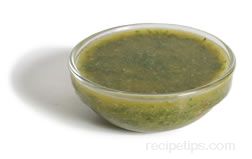
A spicy herb sauce or marinade that is served with grilled and roasted meats. With orgins credited to Argentina and their use of the sauce, Chimichurri Sauce generally consists of water, salt, garlic, parsley, oregano, pepper, red chile peppers, lemon zest, red or white-wine vinegar, and extra-virgin olive oil.
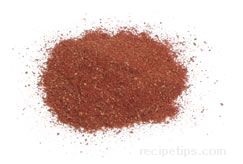
A traditional Indian combination of spices, that may include cumin, cinnamon, clove, coriander, ginger, paprika, turmeric, garlic, bay leaves, celery, cayenne, and black pepper, which are used on foods such as chicken and fish to give it a reddish-orange color common in tandoor cooking.
A type of chicory common in Tuscany, Italy where the Cappuccino monks began growing this vegetable green which ultimately became named for their efforts in raising it.
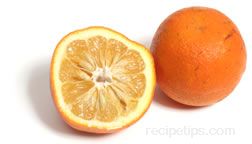
A type of orange that does not have the sweet taste of many other oranges but instead provides a bitter flavor due to the higher acidic content.
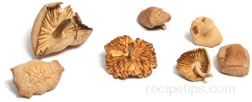
(Scientific Name: Marasmius oreades) Named for the manner in which it grows in open fields and meadows, this variety of mushroom emerges in clusters that form the shape of an irregular circle or "ring" that may be 8 to 15 feet in diameter.
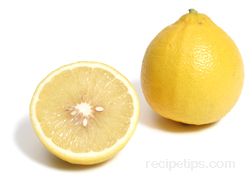
A bitter orange variety that is small, slightly pear-shaped with a bitter and acidic flesh. The Bergamot contains a high content of juice as well as numerous seeds through the flesh.
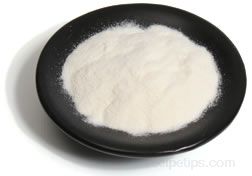
food thickener, thickening agent, liason, beurre manie,
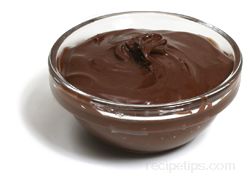
A soft spreadable nut butter made from the slightly sweet, round nut grown on shrubs and trees in North America, Europe, and Asia.
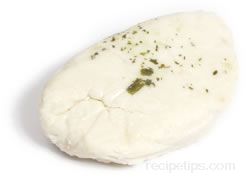
A cheese that was traditionally made with sheep or goat's milk, but today is most often made with cow's milk.
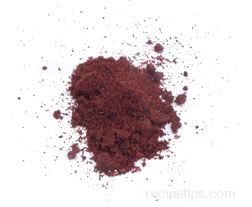
Reddish brown to dark purple in color, sumac berries grow from a wild decorative bush, which is found in Middle Eastern countries and parts of Italy.
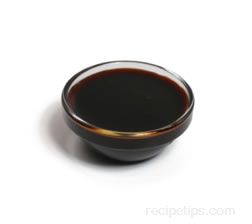
A sauce made with the juices released from oven roasted or stove top cooked foods, such as meat, poultry or vegetables.
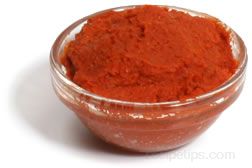
A paste, originating from Thailand that is used to make sauce for seasoning a variety of meat, rice and vegetable dishes, which become "curried" food.
Top 102 glossary terms found
Displaying 81-100 | << Prev 20 | Next 2 >>


Advertisement
Advertisement