
Loading
Search
We hope you found what you are searching for. If not, contact us and let us know what your want. We will do the work for you and get back to you when we're done.
oil can - Glossary Search
Top 250 glossary terms found
Displaying 41-60 | << Prev 20 | Next 20 >>

A type of olive oil that is obtained from olives grown on an individual farm. The olives are usually harvested by hand and the oil is pressed and bottled on site.
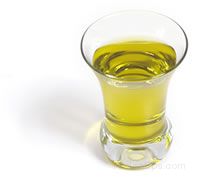
A term that refers to large quantities of olive oil shipped to bottlers from various regions of a country or from several different countries.
A type of low grade olive oil that must be refined before it can be sold for human consumption. The oil is obtained from the residue that remains after the "first cold pressing." Up to 90% of the oil is obtained from the olives during the first cold pressing, but the remaining 10% is contained within the residue.
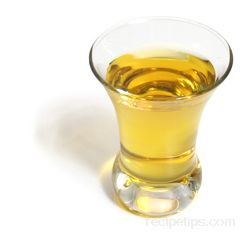
An edible oil obtained from the nuts grown on argan trees that is used for cooking and seasoning. Native to southwestern Morocco, the argan tree is not common in any other area of the world, although efforts are underway to grow this variety of tree in other countries.
Pine seed oil, which is obtained from pine nuts, is one of the most expensive oils on the market, so its appeal is very limited.
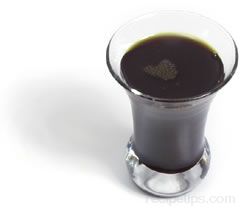
Pumpkin seed oil, which is dark, opaque, and has a thick consistency, is obtained from roasted pumpkin seeds.
Poppy seed oil is obtained from the small dark seeds of the poppy flower. It is a good choice for salad dressings because of its smooth, subtle flavor.
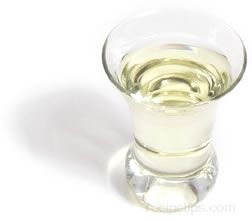
A type of nut oil extracted from the almond. The oil has a distinctively nutty flavor that is typically used as an ingredient in salad dressings, sauces and mayonnaise, and it is often used in desserts.
Refers to the chemical requirements of the olive oil and not the quality and taste. Olive oil must have an acidity level of 1% or less to be considered extra virgin.
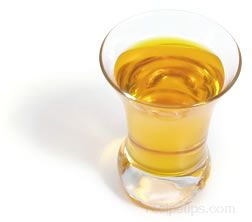
Wheat germ oil is obtained from the embryo of the wheat kernel. It is a rich source of vitamin E and is often used as a health supplement.
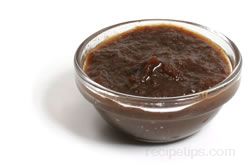
A variety of alternate ingredients that can be used instead of oil or butter in the preparation of foods.
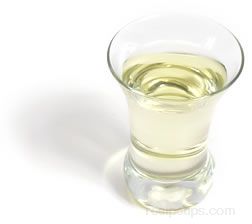
A type of cooking oil that is produced from the rice bran when it is removed as a by-product from the grain of rice as it is processed.
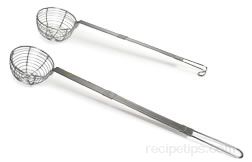
The process of "dry" cooking food totally covered in hot cooking fat or oil. This process produces evenly cooked food with a golden, crisp surface on the outside.
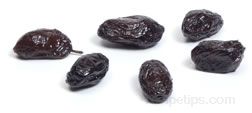
An olive that has been soaked in oil for several months as a curing process and may have been flavored with a variety of herbs and spices.
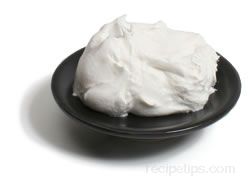
A whipped topping that does not contain any dairy products. It is high in saturated fat, making it unsuitable for low-cholesterol diets.
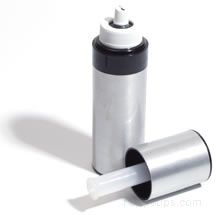
A commercial cooking spray that dispenses a very fine mist of vegetable oil and lecithin to coat unheated pans when preparing them for grilling, sautéing, broiling, roasting or baking.
A commercial sprayer that dispenses a very fine mist of extra-virgin olive oil to coat unheated pans to prepare them for grilling, sautéing, broiling, roasting or baking.

A type of kitchen utensil that can be used to heat cooking oils (fats) so foods can be completely covered in hot oil to be fry cooked, also referred to as "deep fat fried".

A heat monitor and gauge used to measure temperatures of 100°F to 400°F or higher in hot substances and liquids, when heating sugar for making candy, jam, syrup, and grease for deep frying.
Also known as trans fat, this is a type of fat that is created when oils are partially hydrogenated, which occurs by adding hydrogen to the oil so ir remains solid rather than liquid.
Top 250 glossary terms found
Displaying 41-60 | << Prev 20 | Next 20 >>


Advertisement
Advertisement