
Loading
Search
We hope you found what you are searching for. If not, contact us and let us know what your want. We will do the work for you and get back to you when we're done.
vinegar wine - Glossary Search
Top 127 glossary terms found
Displaying 21-40 | << Prev 20 | Next 20 >>

Wines made from basically one variety of grapes. The flavor and other characteristics of the wine are strongly influenced by the variety of grape used.
An alcoholic beverage made from the fermented juice of fruits and vegetables. Grapes account for the largest segment of wine making.
Winemakers often supplement wines during winemaking by adding small amounts of sulfur dioxide to protect fruit quality and prevent oxidation, allowing wine to age well.
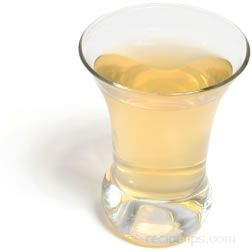
A liquid solution, such as apple cider or ethyl alcohol, which has been fermented once with bacteria, converting the natural surgars into alcohol and then fermented a second time to convert the solution into acedic acid or vinegar.
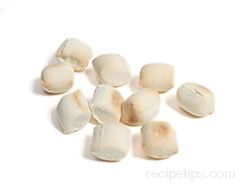
Similar in appearance to an enlarged oyster cracker, this type of cracker is served after tasting different varieties of wine.
The purpose of swirling wine in a glass is to oxygenate the wine. When oxygen is introduced to a wine it releases the chemical components that produce those aromas we search for and is thought to smooth the taste of the wine.
Positive Descriptor of wine that fills the mouth. Although “fat” wines typically lack elegance, “fat” wine is highly valued by connoisseurs of sweet dessert wines.
An Italian wine that is made using the Passito Method in the Veneto region. During the drying process, the grapes may develop Botrytis Cinerea, giving them added intensity and fullness.
The tasting of wine from different years, but originating from the same winery. These wines are most often contiguous years.
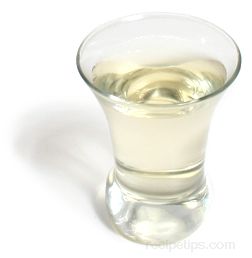
A wine produced from the fermentation of rice that is soaked in water. It is available in Asian markets, but a medium-dry sherry can be substituted if rice wine is not readily available.
A descriptor of wine that has a sweet, distinctive vanilla aroma. This is typically a characteristic of wine that has been aged in new oak barrels.
A descriptor for wines that have become tasteless, most often due to storage for excessive periods of time in a large vessel.
Descriptor of wine that is thin and a bit astringent, a complement for some wine styles.
A descriptor of wines that are named after wine producing districts.
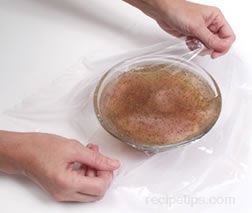
A liquid, such as vinegar, wine or oil, with spices or other flavorings added to it, which is made for the purpose of soaking a food in it to add flavor or to tenderize.
A process of adding an acidic solution such as vinegar, wine or lemon juice to foods as they are being prepared in order to tenderize, add flavor, or to create a sour or somewhat acidic flavor.
Term used by professional wine tasters when referring to the bouquet or aroma of a wine. "Bouquet" is a term used to describe various fragrances evident from the processing and/or ageing of wine.
Pronounced cab-air-Nay So-veen-yawn. A grape varietal, used in the production of robust red wines and white wines with blush hues, originating in the Bordeaux region of France.
The tasting of wine with, typically, no knowledge of the identity of the wine. At times, the tasters will know the type but not the winery they originate from.
A particulary strong, meaty, savory flavor, in aged or fermented wine. Cooking with wine increases the umami.
Top 127 glossary terms found
Displaying 21-40 | << Prev 20 | Next 20 >>


Advertisement
Advertisement