
Loading
Search
We hope you found what you are searching for. If not, contact us and let us know what your want. We will do the work for you and get back to you when we're done.
refined - Glossary Search
Top 48 glossary terms found
Displaying 21-40 | << Prev 20 | Next 8 >>
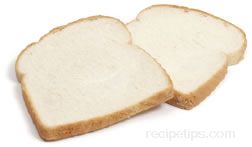
A generic classification of foods that are high in a type of carbohydrate that is considered unhealthy.

The largest portion of a grain kernel containing most of the protein and carbohydrates, but only small quantities of vitamins and minerals.
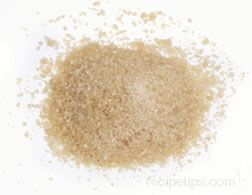
An unrefined or raw sugar coated with molasses and processed into crystals or cubes of sugar during the first crystallization of the cane syrup.
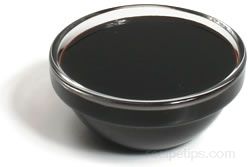
A product, similar to molasses, which is commonly available in European areas such as Great Britian....
The outer covering of the wheat kernel. The bran is a brown paper-like coating that is high in fiber.
A process that is used to extract oil from fruits, nuts, and seeds. Chemical solvents are used to extract the oil, which is then boiled to eliminate most of the solvent residue.
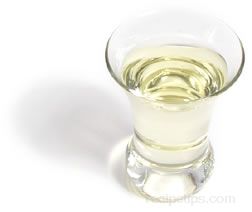
Avocado oil has a light, but unique flavor that makes it an excellent choice for salad dressings or for use as a condiment.
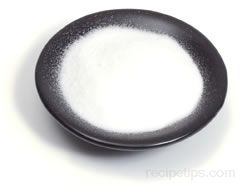
A granulated sugar produced into very fine textured grains of sugar. Often referred to as "castor" sugar in Britain, this sweetener is an unrefined sugar made from unrefined sugar cane.
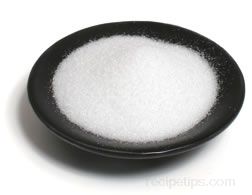
A sweetener that is most often made from processed sugar cane and sugar beets. Also referred to by its chemical name, sucrose, sugar is produced in many different forms such as granulated or white sugar, which have been highly refined and are most commonly used as a table sweetner or as a baking ingredient.
Poppy seed oil is obtained from the small dark seeds of the poppy flower. It is a good choice for salad dressings because of its smooth, subtle flavor.
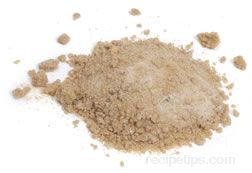
One of the darkest of the raw dark brown sugars that is produced during the third crystallization of the cane syrup, muscovado sugar has a fine-grained texture with natural molasses to provide a strong flavor and consistency similar to refined brown sugar.
The temperature at which fats in cooking oils begin to break down, creating smoke as the oil is heated.
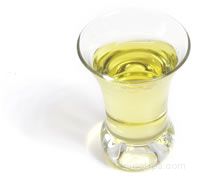
The oil produced from manual or machine pressing of the fruit (olives) from the olive tree. The flavor and color of the olive oil produced from the same variety of olive may vary significantly from one region to the next as well as from grower to grower, since soils and environment will have an effect on creating different flavors within olives grown in the same area.
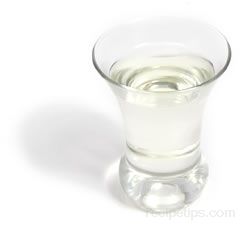
A liquid cooking oil that is extracted from the fruit, seeds, or nuts of a vegetable plant, such as corn, soybeans, peanuts, safflower seeds, sunflower seeds, and rapeseeds (used for canola oil).

A liquid sugar that is used for a flavoring both prior to the preparation of the food as well as after when the food is served.
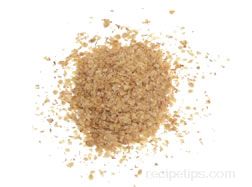
The embryo of a seed or kernel of wheat, located at the bottom center of the kernel next to the stalk.
Pronounced bahr bah ress koh. A D.O.C.G. regional red wine produced in the Piedmont region of Italy, specifically in the towns Barbaresco, Neive, and Treiso d’Alba.
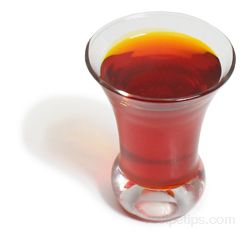
The pulp of the fruit of the African palm is the source for palm oil. It should not be confused with palm-kernel oil, which is extracted from the kernel rather than the fruit.
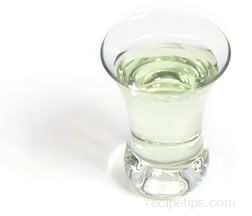
Grapeseed oil is a byproduct of the winemaking industry. The majority of oil extracted from grape seeds is produced in France, Switzerland, and Italy, but there are also a few producers in the United States.
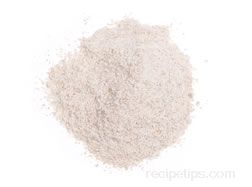
A variety of flour that is ground from the full wheat berry. All parts of the wheat berry are used in the flour including the bran, germ, and the endosperm, which when milled, creates the speckled brown color that is characteristic of the flour.
Top 48 glossary terms found
Displaying 21-40 | << Prev 20 | Next 8 >>


Advertisement
Advertisement