
Loading
Search
We hope you found what you are searching for. If not, contact us and let us know what your want. We will do the work for you and get back to you when we're done.
peanut oil - Glossary Search
Top 74 glossary terms found
Displaying 21-40 | << Prev 20 | Next 20 >>

Cottonseed oil is pressed from the seeds of the cotton plant. It is almost always blended with other oils for the creation of various vegetable oils and it is also used in the manufacture of margarine, salad dressings, and commercially prepared fried products.
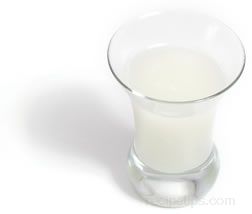
A light colored oil pressed from the "copra" (meat) of a coconut. It solidifies at room temperature and has a buttery texture.
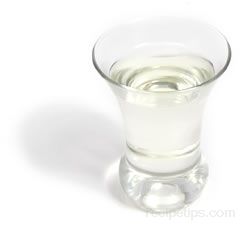
A liquid cooking oil that is extracted from the fruit, seeds, or nuts of a vegetable plant, such as corn, soybeans, peanuts, safflower seeds, sunflower seeds, and rapeseeds (used for canola oil).
An oil that is mostly derived from the seeds of a mustard plant found in India, which differs from the more common seeds that are found in the Mediterranean.
A term that refers to olive oil that is light in flavor: It is not a designation for olive oil that is low in calories.
A type of oil obtained from the nut of the macadamia tree. The tree is native to Australia, which leads the world in production of the nut and the oil.
A type of oil produced from rapeseeds and processed into cooking oil, commonly referred to as canola oil.
The lowest grade of virgin olive oil: It is not fit for human consumption. It has a natural acidity above 3.3% and may also have an unpleasant taste and aroma.
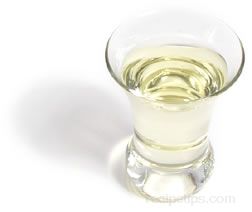
Avocado oil has a light, but unique flavor that makes it an excellent choice for salad dressings or for use as a condiment.
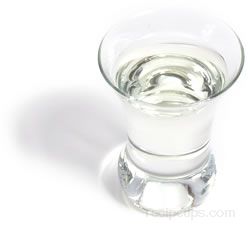
Also known as sunflower seed oil, this golden colored oil is derived from the seeds of the sunflower plant.

Any of a variety of containers used to hold vegetable oil or olive oil. The containers generally have a handle on one side and a small spout on the other side for dispensing the oil.
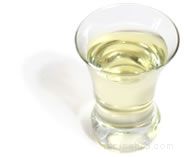
A type of olive oil marketed as an extra light version of virgin olive oil. The name can be somewhat deceiving because many consumers believe that this type of olive oil is lower in calories than other types of olive oil, which is not true.

Apricot kernel oil is obtained from the dried kernels of the apricot tree. The oil is obtained by removing the pit from the apricot and cracking the shell of the pit in order to access the kernel covered by the shell.
Palm-kernel oil is extracted from the kernel of the palm. It should not be confused with palm oil, which is obtained from the pulp of the fruit of the palm.
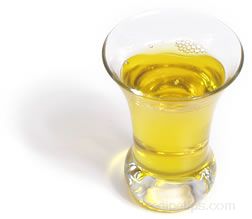
An oil, made from the seeds of safflowers, which is clear and mostly flavorless. It is high in polyunsaturated fats and is a popular oil to use in salad dressings, because it does not solidify when chilled.
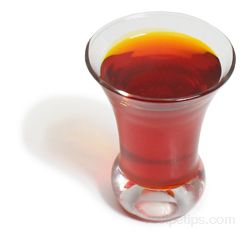
The pulp of the fruit of the African palm is the source for palm oil. It should not be confused with palm-kernel oil, which is extracted from the kernel rather than the fruit.
One of the three categories of fatty acids that also includes saturated fats and polyunsaturated fats.
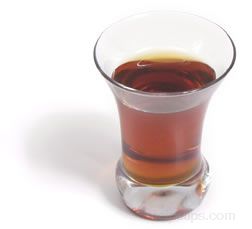
Sesame oil is pressed from sesame seeds and is available in both light and dark varieties. The light version, made from unroasted seeds, has a mild nutty flavor and is popular in Indian cooking.
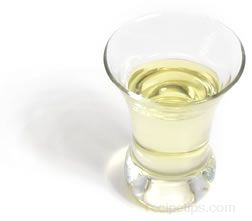
A type of seasoning or cooking oil that uses the tea seeds harvested from the tea plant (Camilla sinensis), cold-pressing them to produce the oil.
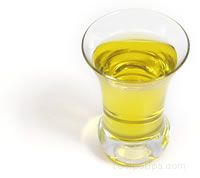
A type of oil that is less expensive and not quite as flavorful as higher grades, making it very suitable as cooking oil for fried foods.
Top 74 glossary terms found
Displaying 21-40 | << Prev 20 | Next 20 >>


Advertisement
Advertisement