
Loading
Search
We hope you found what you are searching for. If not, contact us and let us know what your want. We will do the work for you and get back to you when we're done.
baking grains - Knowledge Search
Top 27 articles found
Displaying 1-20 | Next 7 >>
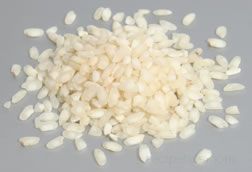
Classifications of RiceShort-grain Rice Varieties | Medium-grain Rice Varieties | Long-grain Rice Varieties
Some grains, such as rice, are available in many different types and varieties.
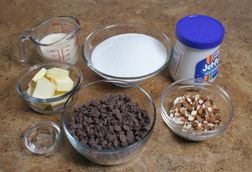
Dry Ingredients | Solid Ingredients | Liquid Ingredients | Fat Ingredients
There are many ingredients that have special functions in the baking and cooking process. Some functions are critical to the success of the finished product.
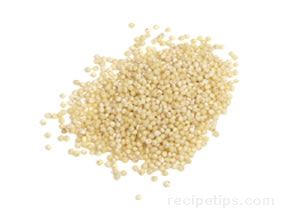
Baking Millet | Baking Oats | Baking Rice | Baking Wild Rice
Many grains can be cooked using the baking method, which is a dry heat cooking process that surrounds food with heat in an enclosed oven.
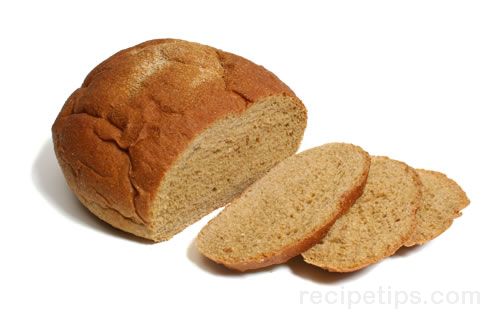
Enriched and/or Flavored Breads
Some basic yeast bread recipes are enhanced with other ingredients that change the characteristics of the bread including the texture, flavor, and color.
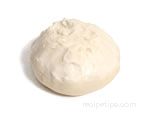
Leavening Agents | Liquids | SaltsFats and Oils | Sweeteners | Other Flavoring Ingredients
Leavening Agents
Leavening agents are the substances that allow bread dough to rise.
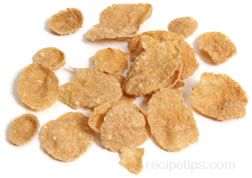
Described below are some of the products (including flour) created directly from various grains. Other than a few exceptions, products that are created after the grain has been ground into flour are not described, because they are so numerous.
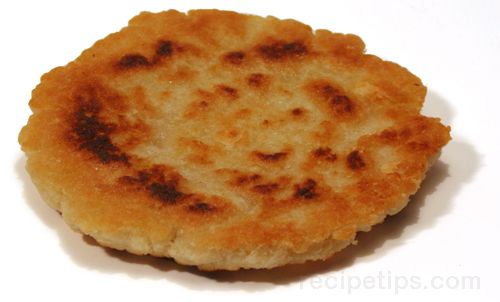
Flat Breads
Flat breads are made from both leavened and unleavened doughs. Both types have a general flat shape, although leavened flat breads are generally a bit taller and have a softer texture than unleavened flat breads.
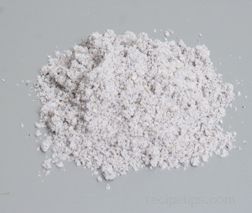
Corn | Rice | Rye | Other Grains
Types of Flour Ground from Corn
Several varieties of corn are used to produce different types of corn flour. The degree in which the corn is milled and processed also determines the type of flour that is produced.
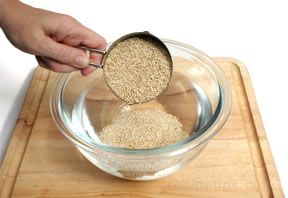
Cleaning/Rinsing Grain | Soaking Grain | Toasting Grain
Preparation of whole grains before cooking is fairly simple: most require only washing or soaking before they can be cooked.
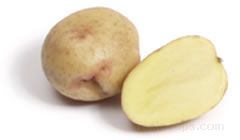
Tools for Preparation | Potato Preparation | Potato Cooking | Tips
Potatoes
The most popular tuber vegetable in the world. It is available in hundreds of varieties, which vary in size, shape, taste, color, and starch content.
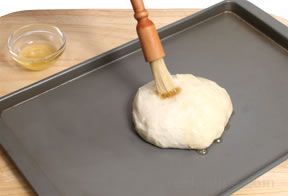
Glazing and/or topping are often the final steps in bread making prior to baking the bread. Although glazes and toppings are often optional ingredients, they do add a boost of flavor and enhance the appearance of the bread.
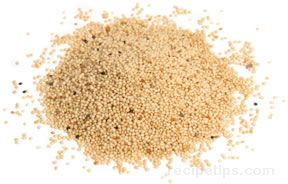
Amaranth | Corn | Millet
Frying is a dry heat cooking method that generally requires the use of a heavy-bottomed skillet and a small quantity of oil or fat to cook the food and prevent it from sticking to the pan.
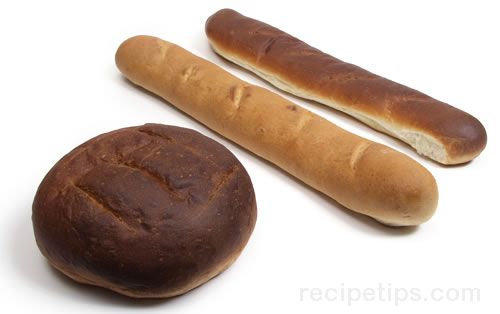
Basic breads are those that are made with a simple recipe of a few ingredients, are yeast leavened, and are usually easy for the home cook to prepare, requiring only basic bread making skills and simple pieces of kitchen equipment.
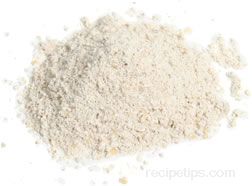
Types of Wheat Flour | Types of Non-Wheat FlourImportance of Gluten | Wheat/Non-Wheat Flour Proportions
Flour is the main ingredient in all types of breads. Different types of flour milled from wheat are most commonly used for making bread.
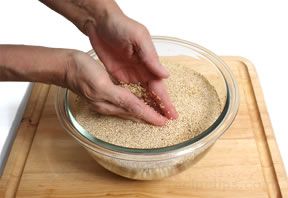
Grinding or milling various types of flour in the home can be accomplished with only a few basic tools. Some tools make the job easier and some types of flour are easier to create depending on the type of grain or other substance that is used.
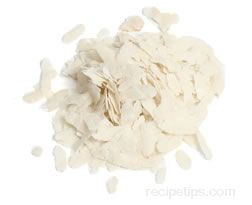
Described below are some of the products (including flour) created directly from rice. Other than a few exceptions, products that are created after the grain has been ground into flour are not described, because they are so numerous.
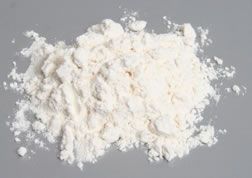
Types of Flour Ground from Wheat
One of the primary reasons for the popularity of wheat flour is due to its gluten forming capacity when the flour is mixed with liquid. Gluten is the substance that provides dough with elasticity and the ability to stretch as the leavening agent produces carbon dioxide gas, which enables the dough to rise effectively.
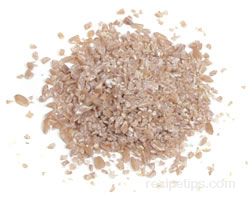
Described below are some of the products (including flour) created directly from wheat. Other than a few exceptions, products that are created after the grain has been milled into flour are not described, because they are so numerous.
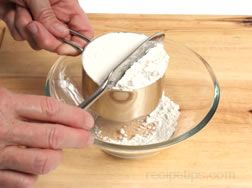
Measuring Dry Ingredients | Weight Versus VolumeMeasuring Solid Fats | Measuring Liquid Ingredients
When making bread, it is critical to use precise measurements. Unlike general cooking in which precise measurements are often not as critical, inaccurate measurements in bread making (and most baked items) affect the chemical processes that occur during the preparation and baking.
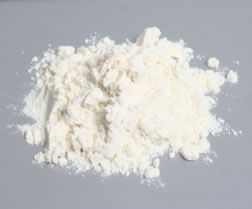
Tips - Home Flour Milling | Substitutions
Tips - Home Flour Milling
Amaranth Flour
Amaranth seeds are very small so they are difficult to grind into flour with conventional kitchen equipment.
Top 27 articles found
Displaying 1-20 | Next 7 >>


Advertisement
Advertisement