 |
Summer of Red, White & Blue - Cooking Tips | |||||||||||||||||||||||||||||||||||||||||||||||||||||||||||||||||||||||||||||||||||||||||||||||||||||||||||||||||||||||||||||||||||||||||||||||||||||||||||||||||||||||||||||||||||||||||
 | |||||||||||||||||||||||||||||||||||||||||||||||||||||||||||||||||||||||||||||||||||||||||||||||||||||||||||||||||||||||||||||||||||||||||||||||||||||||||||||||||||||||||||||||||||||||||
| view article online: https://www.recipetips.com/kitchen-tips/t--518/summer-of-red-white- | |||||||||||||||||||||||||||||||||||||||||||||||||||||||||||||||||||||||||||||||||||||||||||||||||||||||||||||||||||||||||||||||||||||||||||||||||||||||||||||||||||||||||||||||||||||||||
| |||||||||||||||||||||||||||||||||||||||||||||||||||||||||||||||||||||||||||||||||||||||||||||||||||||||||||||||||||||||||||||||||||||||||||||||||||||||||||||||||||||||||||||||||||||||||
| |||||||||||||||||||||||||||||||||||||||||||||||||||||||||||||||||||||||||||||||||||||||||||||||||||||||||||||||||||||||||||||||||||||||||||||||||||||||||||||||||||||||||||||||||||||||||
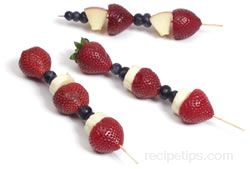
|
Fresh Strawberry Pie Recipe | ||
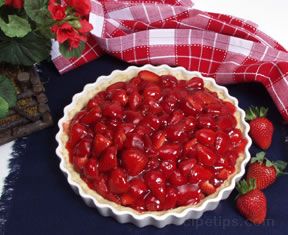 | ||
Ingredients  | ||
|
CRUST:
|
GLAZE:
| |
|
FILLING:
| ||
|
Directions
CRUST:
| ||
Fruits of Summer
Strawberries | Raspberries | Blueberries | Watermelon | Apples | Bananas
Fruit is a staple of the summer season. Outlined below are some hints for choosing, preparing, and storing some of summer's colorful fruits.
Strawberries
|
What to look for when buying: Size and color do not always dictate the quality of a strawberry. Selecting bright red strawberries is safest. Strawberries do not continue to ripen after they have been harvested. Check the bottom of the strawberry container for mold and look for red stains from the berries. Berries should be firm and dry. The red stains may be from crushed or overripe berries. | |||
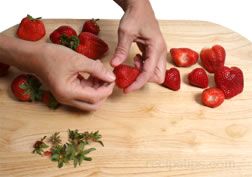 |
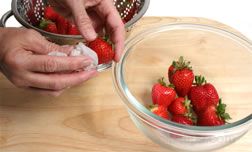
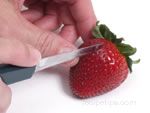
Strawberries are porous so, when cleaning, rinse quickly. Another option is to gently wipe off each berry with a wet rag. Strawberries can be served with the stem remaining or the stem can be removed, both are appropriate. When serving strawberries individually, the stem serves as a handle. It is best to remove the stem when serving in a dish such as fruit salad. Removing the stem can be done by holding the strawberry between your thumb and forefinger and twisting off the stem with the opposite hand. Another option is simply cutting the stem off with a utility knife. | ||
Storing: Strawberries are best when eaten the day you buy them. Try to use them within 2 to 3 days from purchase. After you sort and discard the bad berries, store them in the refrigerator. It is best to lay the berries on a flat surface in one layer and cover with plastic wrap to prevent drying out and the absorption of other smells in your refrigerator. | |||
|
|
| ||
|
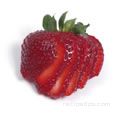
Strawberries are an easy garnish for summer desserts. With a paring knife, slice strawberry from a point slightly below the top stem to the bottom. Continue making thin slits from one end of the strawberry to the other. Gently spread the strawberry apart creating a strawberry fan. Dipping Strawberries in chocolate is another option; they can be used as both an appetizer and a garnish. For more detailed information on strawberries, see All About Strawberries. | |||
|
Popular Fresh Strawberry Recipes | |||
Raspberries
|
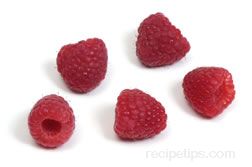
What to look for when buying: When selecting raspberries, choose those that are plump, slightly soft, have a deep color, and good aroma. Avoid overly soft and dull-colored berries. If buying in a container, check the bottom to see if it is stained or leaking juice, which will indicate that they are too soft and overripe. | |||
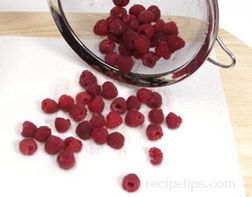 |
If the raspberries are not soiled, do not wash them. If it is necessary to clean them, gently rinse with cold water, using as little water as possible. Do not wash until just before using. Drain and carefully spread out on a dry paper towel. Remove any damaged berries or unwanted debris. | ||
Storing: It is best to eat them the same day that they are purchased or picked. They can be stored in the refrigerator for one or two days. To store, place unwashed berries in a single layer, on a tray or platter that is lined with paper towels and store uncovered in the refrigerator. Sprinkling with a little sugar will also help preserve them longer. | |||
|
|
| ||
|
Adding sugar, lemon juice, or orange juice to raspberries will help preserve their bright color. For more detailed information on raspberries, see All About Raspberries. | |||
|
Popular Fresh Raspberry Recipes | |||
Blueberries
|
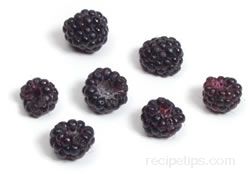
What to look for when buying: Blueberries should be plump, not shriveled, navy blue with a powdery white look to the skin. Check the bottom of the blueberry container for mold and look for blue stains from the berries. Berries should be firm and dry. The blue stains may be from crushed or overripe berries. | |||
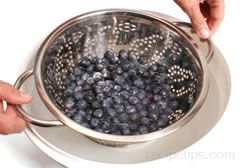 |
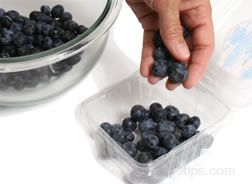
Preparing: To prepare blueberries, simply go through and discard blemished berries and rinse lightly in cold water. | ||
Storing: Do not rinse berries if you plan to store them in the refrigerator. Blueberries will keep in the refrigerator for up to a week if you do not wash them. Washed and drained blueberries can be frozen as long as they are sealed in an airtight bag. | |||
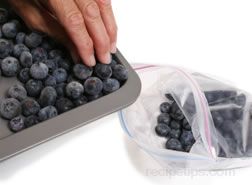 |
Tip: Freeze blueberries in a single layer on a cookie sheet. Once frozen, take out and place in an airtight sealable bag. Place back into the freezer immediately. When you are ready to use the blueberries, remove the bag from the freezer and take out as many blueberries as needed. | ||
|
| |||
|
Popular Fresh Blueberry Recipes | |||
Watermelon
|
What to look for when buying: Select watermelons that are firm, free of bruises, and heavy. Ripe melons generally have a nice sheen to their outer skin and a yellow spot on their underside, which remains from where the melon grew on the ground. | ||
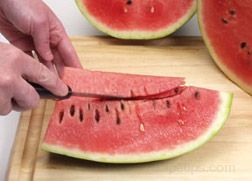 |
To remove seeds from a watermelon, slice the watermelon into quarters. Cut each quarter in half again. Cut along the seed line to create a seedless wedge of flesh that can be removed and cubed. | |
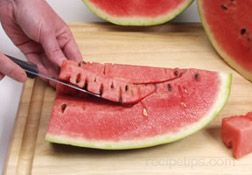 |
Then cut along the bottom of the seed line on both sides of the watermelon wedge and remove the flesh that is full of seeds. | |
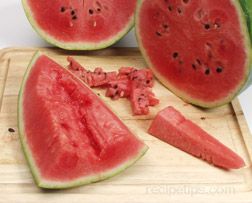 |
Remove remaining seeds with the tip of a utility knife or a spoon. Once the seeds are removed, the watermelon can be sliced, balled, or cubed. | |
|
If uncut watermelon needs to ripen, store at room temperature. Ripe watermelon should be refrigerated so it keeps longer. It is also more refreshing to eat when chilled. Watermelon that has been cut should be wrapped tightly in plastic wrap or placed in an airtight container and eaten as soon as possible. | ||
|
|
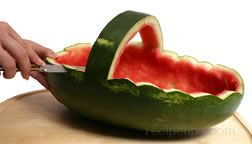
Tip: Cut watermelon in half lengthwise, scoop the watermelon out of one half, cut edges into scallops, and use the scooped out rind for a decorative bowl to serve a fresh fruit salad. Use a mixture of these summer fruits to create a refreshing red, white, and blue salad. | |
|
| ||
Apples
|
What to look for when buying: There are several different varieties of apples to choose from, each having specific characteristics. The most important rule when purchasing apples is to stay away from apples that have been bruised. The skin of the apple has little to do with the taste of the apple. Apples continue to ripen after they have been picked. | ||
|
Simply wash apples under cold water. Apples can be eaten with the skin on. If you prefer to peel the apple, use a sharp knife or a vegetable peeler. Apples that will be included in cooked dishes or presented as an appetizer should have the core removed. | ||
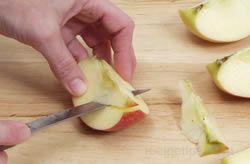 |
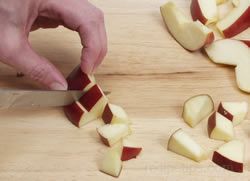
There are tools for removing the core of the apple; however, a small paring knife can also be used. When using a paring knife, the apple should be cut into four sections by first cutting it in half straight down through the stem end. After apple has been cut into 4 sections, use the knife to carefully cut out the core section from each piece. Continue slicing apple into smaller pieces if you like. | |
|
Apples that have not been peeled or sliced can be stored in the refrigerator for up to six weeks. Apples absorb food odors so it is essential that the apples be kept in an air tight bag away from foods with strong odors. | ||
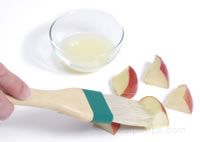 |
Tip: Apples that have had the skin sliced or had the skin removed turn brown quickly. Brush the apple slices with lemon juice or dip the slices in cold water containing lemon juice to prevent browning. | |
|
| ||
Bananas
|
What to look for when buying: Look for bananas that are uniformly yellow. Bananas that are green are inedible and must ripen before consuming. Bananas are harvested unripe and are stored to ripen slowly. Watch for damaged skin or bananas that are too ripe (browning). Bananas that have browned can be used for cooking. | ||
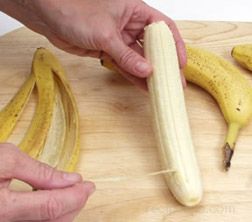 |
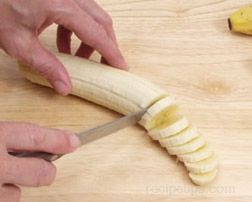
Preparing: Bananas should be peeled just before using. Peel the bananas and remove the white thread from the flesh of the banana. | |
Storing: Bananas continue to ripen after harvesting. It is best to eat bananas within 2 days from purchasing. Do not store bananas in the refrigerator or they will blacken. If stored with other fruit, it will accelerate the ripening of other fruit. If you have purchased too many bananas, bananas can be peeled, placed in air tight freezer bags and frozen. You can use the frozen bananas in recipes such as salads and fruit shakes. | ||
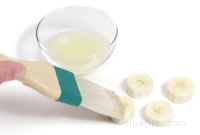 |
Tip: Bananas tend to brown when they are not used immediately after peeling. Brush the flesh of the banana with lemon juice to prevent banana from browning. | |
|
| ||
The Perfect Picnic Napkin
| Another fun Red, White & Blue addition to your summer picnics or gatherings is to fold red and blue paper napkins as shown below and then insert white plastic silverware. | ||
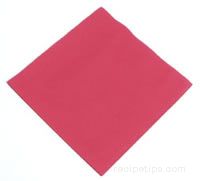 |
Begin with a paper or cloth napkin (paper napkin shown) folded in a square. Lay napkin diagonally with open corners at the top. | |
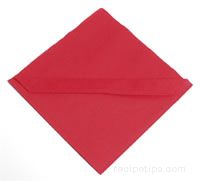 |
Roll the first layer, of the 4 layers, to the center of the napkin. | |
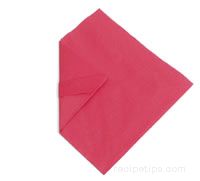 |
Flip napkin over and fold the left corner to center of napkin. | |
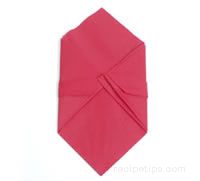 |
Repeat fold with the right corner. If napkins will be used to carry silverware for a buffet or picnic situation, place a decorative sticker on the back to hold napkin folds in place. | |
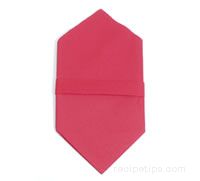 |
Turn napkin over. | |
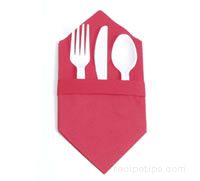 |
Insert the fork, knife, and spoon. | |
|
| ||
