
Loading
Search
We hope you found what you are searching for. If not, contact us and let us know what your want. We will do the work for you and get back to you when we're done.
yeast wine - Knowledge Search
Top 19 articles found
Displaying 1-19

Wine Tasting I: Assessing by AppearanceWine Tasting II: Assessing by SmellWine Tasting III: Assessing by Taste
Wine Tasting I: Assessing by Appearance
Serving Temperature
Before beginning, determine the ideal serving temperature for the wine you will be tasting.
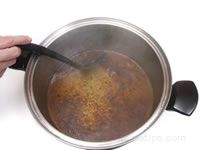
The reasoning behind cooking with wine is to intensify and enhance the flavor of food. Wine is known to release flavors in food that otherwise could not be experienced. The following are guidelines and tips particularly directed at the novice cook or a cook new to the world of cooking with wine.
Labeling requirements vary significantly from country to country. Specific information that is required to be on the label is governed by the local laws at the point of sale where the wine is marketed, rather than where it is produced.
Before Opening
Wine to be consumed within a few weeks
Keep bottles in a cool, dry place away from direct sunlight and
vibration.
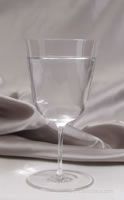
Buying Wine Glasses
Glasses designed for drinking wine have specific properties that have
been designed to intensify the sensory experience. The cost and quality
of a wine glass and how it affects the wine tasting experience has long
been debated.
"User Friendly" Wines
Gatherings of friends and family should be a time of celebration and enjoyment, not stress. The following is a general selection of wines that work with most dishes.
Hints
Quickly chill wine by placing bottle in a bucket of ice water rather than in the freezer. Leave in ice water approximately 10 minutes.
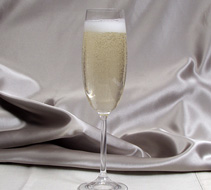
Chill sparkling wine in the refrigerator for at least four hours before serving.
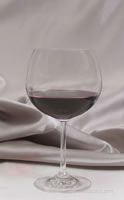
The basic concept of pairing wine and food is to compliment and enhance the aroma and flavors of both the food and wine. Reds with heavier meals, whites for lighter meals, red wine with red meat, and white wine with white meat.
When using substitutions for recipes calling for wine, the final product will not be the intended product but it should still impart great flavor.
White Wine Substitutions
Red Wine Substitutions
Non-alcoholic white wine
Non-alcoholic red wine
1/3 cup white grape juice + 1/2 tbsp.
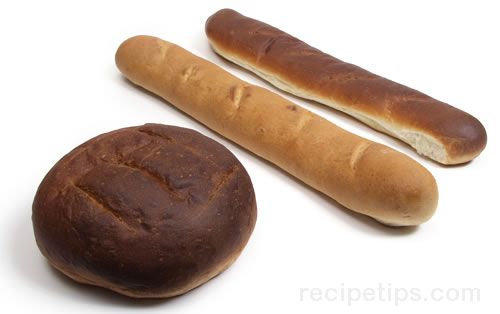
Basic breads are those that are made with a simple recipe of a few ingredients, are yeast leavened, and are usually easy for the home cook to prepare, requiring only basic bread making skills and simple pieces of kitchen equipment.
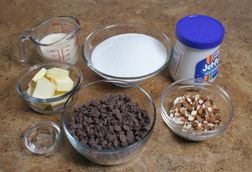
Dry Ingredients | Solid Ingredients | Liquid Ingredients | Fat Ingredients
There are many ingredients that have special functions in the baking and cooking process. Some functions are critical to the success of the finished product.
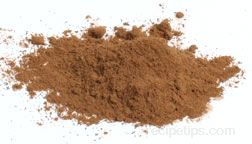
Use this food substitution and conversion chart to select ingredient substitutes when you are cooking and your recipe suggests ingredients you do not have available.
Herbs, Spices and Seasonings | Baking Ingredients | Cheese and Dairy Products | Eggs | Fats, Oils and Vinegars | Fruits and Vegetables | Miscellaneous | Healthy
Herbs, Spices and Seasonings Substitutions
Food
Amount
Substitute
Allspice
1 tsp
1/2 tsp cinnamon, 1/2 tsp ground cloves OR1/2 tsp ground cinnamon, 1/4 tsp.
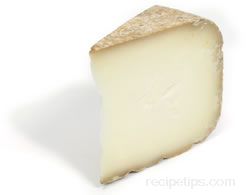
Cheeses of France: Ossau-Iraty to Vacherin Mont d'Or
Ossau-Iraty
A French cheese made from raw (unpasteurized) sheep's milk. The sheep's milk used for the cheese is obtained from Manech or Basco-Béarnaise ewes that are raised along the Pyrenees mountain range in the Basque region of France.
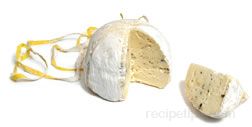
Cheeses of France: Gabietou to Neufchatel
Gabietou
Pronounced gah-bee-ay-too, this cheese is a mixture of one-third raw sheep's milk and two-thirds cow's milk. Originating in southwestern France, Gabietou Cheese is formed into wheels that range in weight from 6 to 10 pounds.
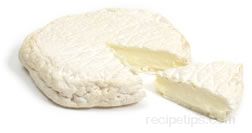
Cheeses of France: Camembert to Fromage Blanc
Camembert
Camembert cheese is French in origin, but it is also made in other European countries and the United States. It is made from cow's milk and when produced, it has a pale yellow color, a soft white rind, and a creamy texture.
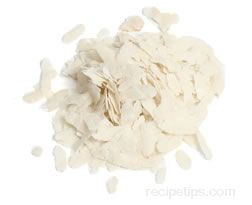
Described below are some of the products (including flour) created directly from rice. Other than a few exceptions, products that are created after the grain has been ground into flour are not described, because they are so numerous.
Use this ingredient equivalent chart to find out how much of an ingredient you need when your recipe suggests an unfamiliar quantity.
A - B - C - D - E - F - G - H - I - J - K - L - M - N - O - PQ - R - S - T - U - V - W - X - Y - Z
S - Ingredients
Ingredient
Amount
Equivalents
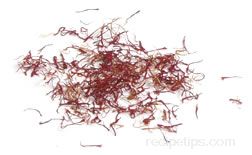
Saffron, threads
4 to 6
1/4 tsp.
Top 19 articles found
Displaying 1-19


Advertisement
Advertisement