
Loading
Search
We hope you found what you are searching for. If not, contact us and let us know what your want. We will do the work for you and get back to you when we're done.
whole wheat pasta - Knowledge Search
Top 28 articles found
Displaying 1-20 | Next 8 >>
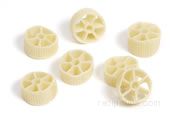
Basic Types | Flavors and Colors | Pasta Shapes | Pasta Sauces
Pasta is a basic staple ingredient used in cooking. It is available in hundreds of shapes worldwide and in many different flavors.
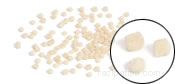
Soup pasta consists of pasta shapes that range in size from small to very tiny. The larger of the soup pastas are used in thicker based soups and the tiny and smaller pasta shapes are used in light or broth based soups.
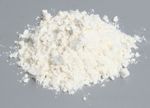
When making homemade pasta you will need to decide what type of flour you want to use. If making a flavored pasta that requires something other than a different variety of flour, you will need to purchase the necessary flavoring agent.

Generally the color of the pasta is a result from the flavoring agent used in the pasta. The taste from the flavoring agents is most often fairly mild. Shown below are some of the most common flavoring agents and how to add them to your homemade pasta.
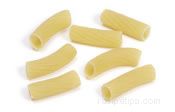
Tubular pasta is any pasta that is hollow through the center, forming a tube. They are available in many different sizes and shapes. Some tubes are long and narrow while others are short and wide.
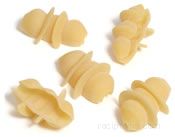
There are numerous pasta products available, consisting of dried and fresh pasta. Some products are available both in a dried and fresh form but there are many more dried products than fresh.
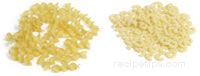
When shopping for pasta there are several details that you need to consider to be assured of purchasing the quantity, quality and type of pasta or pasta ingredients to satisfy your needs.
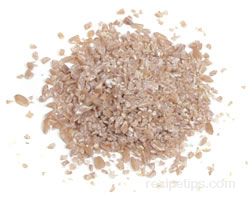
Described below are some of the products (including flour) created directly from wheat. Other than a few exceptions, products that are created after the grain has been milled into flour are not described, because they are so numerous.
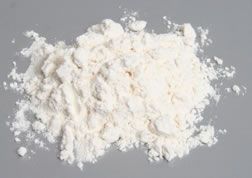
Types of Flour Ground from Wheat
One of the primary reasons for the popularity of wheat flour is due to its gluten forming capacity when the flour is mixed with liquid. Gluten is the substance that provides dough with elasticity and the ability to stretch as the leavening agent produces carbon dioxide gas, which enables the dough to rise effectively.
There are a large variety of pasta shapes and noodles available. When selecting the variety of pasta you are going to purchase, you must consider the size and shape of the pasta and which varieties will go best with the sauce or dish you are preparing.
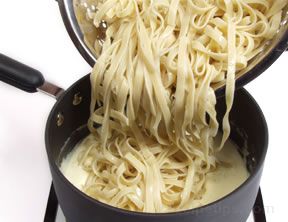
Most pastas have a similar flavor but when the sauce is added, the pasta and sauce create their own unique flavor. There are many types of sauces that can be used but some go better with certain types of pasta than others.
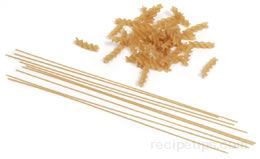
Pasta was once considered to be fattening and have very little nutritional value. Nutritional experts now realize the value of pasta in our diet. Grain based foods, such as pasta, are a good source of fiber and complex carbohydrates.
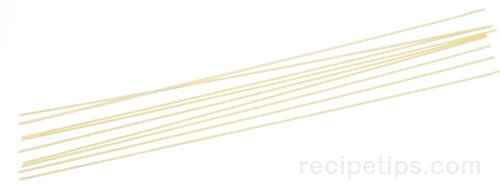
Pasta strands are long rods of pasta, which are generally round, but they are available in a square rod also. The basic difference from one variety to the next is the thickness of the strands.
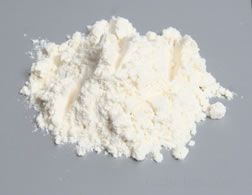
A Guide for Selecting the Proper Wheat Flour
It is wise to use flours specifically formulated for various baked goods, such as bread flour or cake flour, although all-purpose flour is suitable for a majority of items.
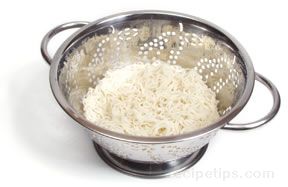
A wok, which has deep tapered sides, is a traditional type pan used for stir-frying. A wok works well but is not a necessity. A nonstick deep skillet also works very well. If rice noodles or mung bean noodles are going to be added to the stir-fry, they are sometimes deep-fried in the wok or deep skillet first and then set aside while other ingredients are stir-fried according to the recipe.
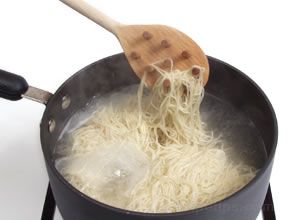
Noodles are fried to produce a crisp textured noodle. Frying can be accomplished by the use of two different methods, pan-frying and deep-frying. Both methods work on the principle of using hot oil to fry the noodles.
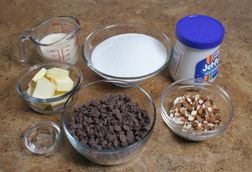
Dry Ingredients | Solid Ingredients | Liquid Ingredients | Fat Ingredients
There are many ingredients that have special functions in the baking and cooking process. Some functions are critical to the success of the finished product.
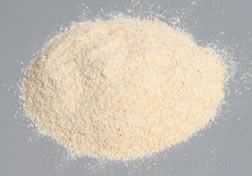
Types of Non-Wheat Flour Ground from Seeds
There are many types of flour milled from a wide variety of seeds. Most of the seeds used for flour are also prepared and cooked similar to actual cereal grains, so many people make no distinction between grain-like seeds and actual grains because of the similar ways in which they are used.
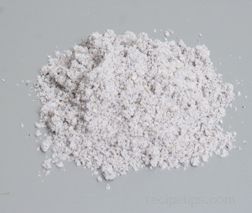
Corn | Rice | Rye | Other Grains
Types of Flour Ground from Corn
Several varieties of corn are used to produce different types of corn flour. The degree in which the corn is milled and processed also determines the type of flour that is produced.
Top 28 articles found
Displaying 1-20 | Next 8 >>


Advertisement
Advertisement