
Loading
Search
We hope you found what you are searching for. If not, contact us and let us know what your want. We will do the work for you and get back to you when we're done.
slow cooking preparation guide - Knowledge Search
Top 37 articles found
Displaying 1-20 | Next 17 >>
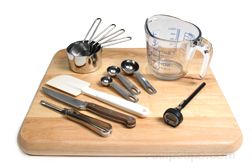
crock pot, slow cooking
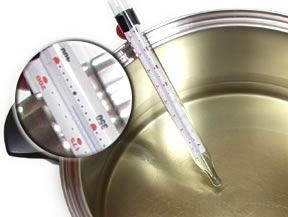
Cooking Times | Baking Fish | Pan-frying Fish | Deep-Frying FishGrilling & Broiling Fish | Doneness | Cooking Tips
Fish can be prepared using almost any type of cooking method including baking, steaming, frying, grilling, broiling, or slow cooking.
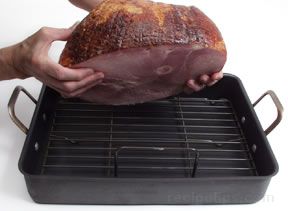
Some tasks to be aware of when preparing and baking a ham: thawing the ham properly, keeping a clean working area, and preparation for the cooking method being used. Most hams are prepared in the same basic manner for many of the ham recipes you will use.
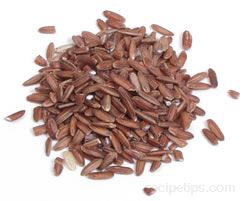
Cooking Rice with the Absorption Method | Cooking Paella | Cooking Risotto
Cooking Rice with the Absorption Method
Cooking rice with the absorption method is, perhaps, the method that most people are accustomed to when cooking rice, but it is often the most difficult.
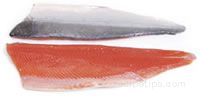
Thawing Fish | Salmon Preparation | Tips
Thawing Fish
Frozen fish can be cooked without thawing but the cooking time would need to be increased to cook it thoroughly. If the fish is going to be breaded, stuffed, broiled, fried or cooked in the microwave, it should be thawed completely first.
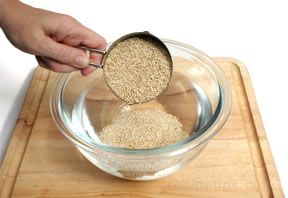
Cleaning/Rinsing Grain | Soaking Grain | Toasting Grain
Preparation of whole grains before cooking is fairly simple: most require only washing or soaking before they can be cooked.
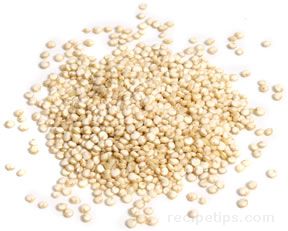
Hot Liquid Cooking Techniques for Grain | Cooking Quinoa
The three basic techniques for cooking quinoa with hot liquid are boiling, absorption, and steaming, which are perhaps the most popular methods for cooking most whole grains.
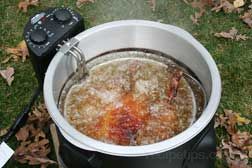
Safety First | Turkey Deep-Fry CookersSelecting the Oil | Measuring the Oil | Preparing the TurkeyPreparing the Cooker | Placing the Turkey into the Cooker | Cooking the Turkey
Deep-frying, also known as deep-fat frying, is a process of immersing food in a deep pot containing hot oil, which cooks the food quickly, producing a crispy surface over a tender and moist interior.
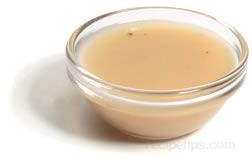
Flour Used as a Thickening Agent | Frying | Deep-Frying | Baking
Flour Used as a Thickening Agent
Flour is one of the most often used thickening agents when cooking foods such as sauces, gravies, soups, stews, and gumbos.
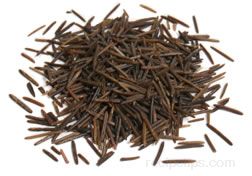
Hot Liquid Cooking Techniques for Grain | Cooking Wild Rice
The three basic techniques for cooking wild rice with hot liquid are boiling, absorption, and steaming, which are perhaps the most popular methods for cooking most whole grains.
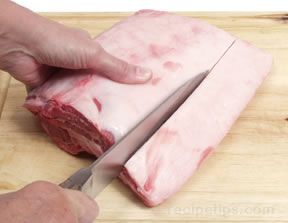
Thawing | Preparing a Rack of Lamb | Preparing a Crown RoastPreparing a Guard of Honor | Boning and Butterflying a Leg of Lamb | Grinding
Thawing
Lamb that has been frozen should never be defrosted at room temperature because harmful bacteria may grow rapidly under such conditions.
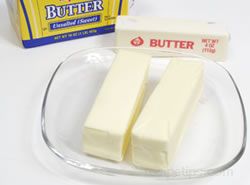
Clarified Butter | Brown Butter | Homemade Butter
Clarified Butter
Melting whole butter and removing the milk solids and water, produces clarified butter. It is a rich golden fat that is also referred to as drawn butter.
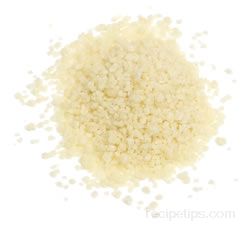
Couscous Defined | Cooking Couscous
The three basic techniques for cooking grains with hot liquid are boiling, absorption, and steaming, which are perhaps the most popular methods for cooking all whole grains.
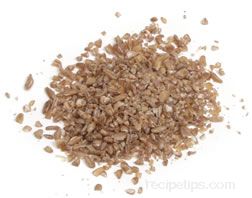
Bulgur Wheat Defined | Cooking Bulgur Wheat
The three basic techniques for cooking grains with hot liquid are boiling, absorption, and steaming, which are perhaps the most popular methods for cooking all whole grains.
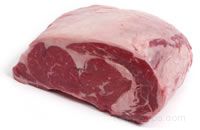
When roasting beef it is important to select the proper cut of roast beef to produce moist and tender meat when the roast beef is cooked to the desired doneness. Using the proper beef cooking times and temperatures is critical to the end results.
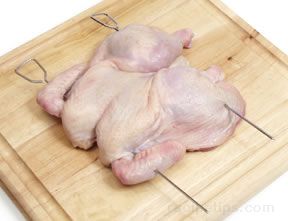
Grilling and broiling are very similar methods of cooking chicken. They both use a dry heat that quickly cooks the surface and then slowly moves to the middle of the meat. Also, grilling infuses the chicken with a smoky flavor from the meat juices that drip during the grilling process. When broiling, this infusion of flavor does not occur.
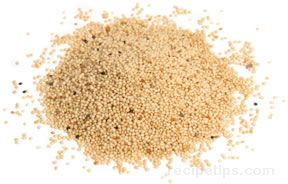
Amaranth | Corn | Millet
Frying is a dry heat cooking method that generally requires the use of a heavy-bottomed skillet and a small quantity of oil or fat to cook the food and prevent it from sticking to the pan.
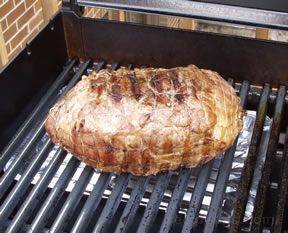
When pork is grilled or broiled at the proper cooking times and temperature, the meat will have a crisp flavorful outside coating with a moist center. Grilling and broiling are basically the same type of cooking method, using dry heat that quickly cooks the surface of the pork and then slowly moves to the middle.
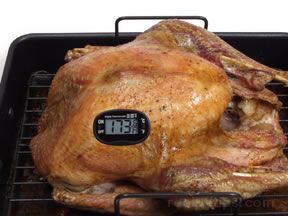
General Guidelines for Proper DonenessMeat Thermometers | Unsafe Cooking Methods
General Guidelines for Proper Doneness
Consider the Following Points whenDetermining the Proper Doneness of Turkey
A whole turkey should be cooked until the internal temperature of the breast meat reaches 170°F and the deepest portion of the thigh reaches 180°F.
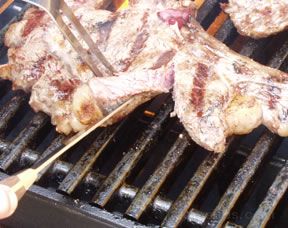
The high heat of grilling sears the surface of beef, creating tender meat with a flavorful crust. The required cooking temperature and the method of grilling (direct, indirect, or a combination) depends on the cut of beef and the quality of the meat.
Top 37 articles found
Displaying 1-20 | Next 17 >>


Advertisement
Advertisement