
Loading
Search
We hope you found what you are searching for. If not, contact us and let us know what your want. We will do the work for you and get back to you when we're done.
slow cooker beef tips - Knowledge Search
Top 29 articles found
Displaying 1-20 | Next 9 >>
crock pot, slow cooker, slow cooking
crock pot, slow cooking
crock pot, slow cooker
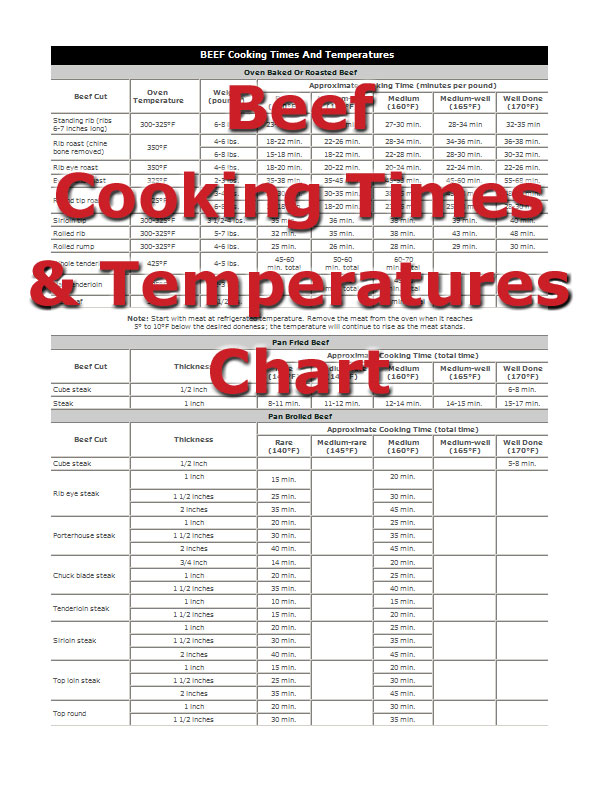
The proper beef cooking times and the correct beef cooking temperatures are extremely important. The optimum flavor and tenderness of various cuts of beef can be consistently achieved when care is taken to follow the recommended time and temperature guidelines for cooking beef.
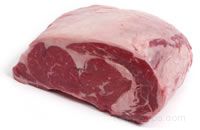
The proper beef roast cook times and the correct beef cooking oven temperatures are extremely important. The optimum flavor and tenderness of various beef roasts can be consistently achieved when care is taken to follow the recommended time and temperature guidelines for cooking beef roasts.
When roasting beef it is important to select the proper cut of roast beef to produce moist and tender meat when the roast beef is cooked to the desired doneness. Using the proper beef cooking times and temperatures is critical to the end results.

Shopping | Thawing | Marinating | Rubs | Cooking | CarvingGeneral Safety and Handling | Ground Beef Safety and Handling | Nutrition
Shopping
Lean boneless cuts yield up to 4 servings per pound.

Cooking Times | Baking Fish | Pan-frying Fish | Deep-Frying FishGrilling & Broiling Fish | Doneness | Cooking Tips
Fish can be prepared using almost any type of cooking method including baking, steaming, frying, grilling, broiling, or slow cooking.
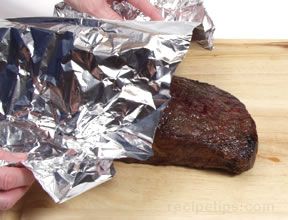
General Tips for Carving Beef | Steps for Carving a Prime Rib Roast
Beef that is roasted should rest for 10 to 15 minutes after it is removed from the oven so that the natural juices are allowed to settle.
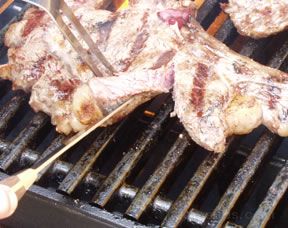
The high heat of grilling sears the surface of beef, creating tender meat with a flavorful crust. The required cooking temperature and the method of grilling (direct, indirect, or a combination) depends on the cut of beef and the quality of the meat.
Beef is the name given to meat obtained from the carcasses of cattle. Each primary beef cut is known as a primal cut, which are groups of muscles from the same area of the beef carcass. The beef primal cuts include the chuck, rib, short loin, round, brisket, plate, and flank.
Comparison of Various Cuts of Beef with Chicken | Miscellaneous Nutritional Tips
The USDA recommends 2 or 3 servings of meat, fish, or poultry per day. One serving of cooked beef is equal to 3 ounces and is about the size of a deck of cards.
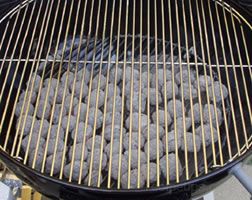
Direct
Indirect
Understanding the two most popular grilling styles, Direct and Indirect, is essential for creating a perfect grilled entrée. There are instances when both Direct and Indirect methods are appropriate.
The stir-frying process requires high heat and the tossing and stirring of ingredients in a large pan to ensure quick and even cooking. A wok is the traditional type of pan to use for stir-frying because it has deep tapered sides which allows food to be stirred and tossed easily.
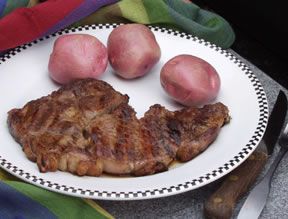
The high heat of grilling sears the surface of beef, creating tender meat with a flavorful crust. The required cooking temperature and the method of grilling (direct, indirect, or a combination) depends on the cut of beef and the quality of the meat.
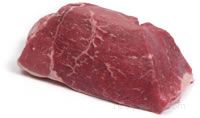
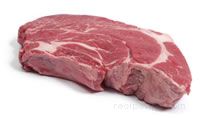
Beef cuts should be selected according to the planned method of cooking. For example, if beef is to be cooked on a grill, a tougher cut from the round or plate should not be purchased, unless the intention is to tenderize the meat before cooking it.
Contamination PreventionDoneness | Proper Storage | Safety and Handling Tips
Contamination Prevention
Shopping
When shopping for beef, make sure it is among the last items selected so that the length of time it is without refrigeration is as short as possible.
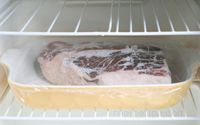
Refrigerator Method | Microwave MethodDefrosting Time | Additional Thawing and Defrosting Tips
Refrigerator Method
(Recommended)
Frozen beef should not be defrosted at room temperature.
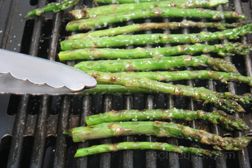
Cooking with asparagus can range from recipes prepared in the oven, on the stove top, on the grill or even in the microwave. Utilizing various cooking methods can offer diverse and appetizing flavors all from the same bunch of asparagus.
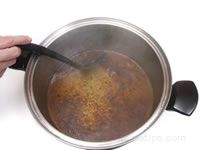
The reasoning behind cooking with wine is to intensify and enhance the flavor of food. Wine is known to release flavors in food that otherwise could not be experienced. The following are guidelines and tips particularly directed at the novice cook or a cook new to the world of cooking with wine.
Top 29 articles found
Displaying 1-20 | Next 9 >>


Advertisement
Advertisement