
Loading
Search
We hope you found what you are searching for. If not, contact us and let us know what your want. We will do the work for you and get back to you when we're done.
short grain rice - Knowledge Search
Top 33 articles found
Displaying 1-20 | Next 13 >>
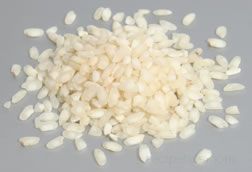
Classifications of RiceShort-grain Rice Varieties | Medium-grain Rice Varieties | Long-grain Rice Varieties
Some grains, such as rice, are available in many different types and varieties.
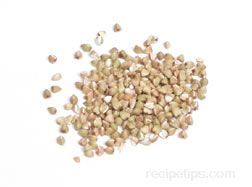
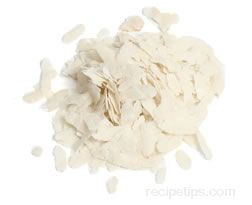
Described below are some of the products (including flour) created directly from rice. Other than a few exceptions, products that are created after the grain has been ground into flour are not described, because they are so numerous.
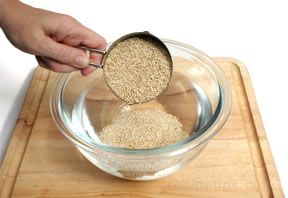
Cleaning/Rinsing Grain | Soaking Grain | Toasting Grain
Preparation of whole grains before cooking is fairly simple: most require only washing or soaking before they can be cooked.
Cooking Techniques | Match the Type of Rice with the Proper Cooking Method
Cooking Techniques
The three basic techniques for cooking rice with hot liquid are boiling, absorption, and steaming, which are perhaps the most popular methods for cooking all whole grains.
General Nutritional Facts of Grains | Specific Nutritional Facts of Individual Grains
General Nutritional Facts of Grains
Grains are composed primarily of carbohydrates, but the quantity varies according to the type of grain.
Preparing Fried Rice with Uncooked Rice | Preparing Fried Rice with Previously Cooked Rice
There are many methods used for preparing fried rice recipes, but two methods that combine the moist heat methods of boiling/absorption/steaming and the dry heat methods of frying/stir-frying are among the most popular.
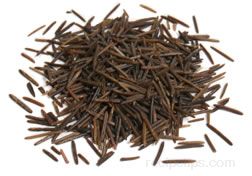
Hot Liquid Cooking Techniques for Grain | Cooking Wild Rice
The three basic techniques for cooking wild rice with hot liquid are boiling, absorption, and steaming, which are perhaps the most popular methods for cooking most whole grains.
Steaming Rice with a Bamboo Steamer | Steaming Rice with an Electric Steamer
Steaming is a technique for cooking rice that is very popular in Asian countries. It produces perfectly cooked rice, but the method can be very time consuming.
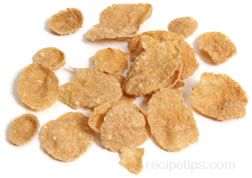
Described below are some of the products (including flour) created directly from various grains. Other than a few exceptions, products that are created after the grain has been ground into flour are not described, because they are so numerous.
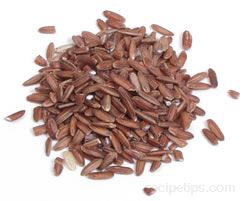
Cooking Rice with the Absorption Method | Cooking Paella | Cooking Risotto
Cooking Rice with the Absorption Method
Cooking rice with the absorption method is, perhaps, the method that most people are accustomed to when cooking rice, but it is often the most difficult.
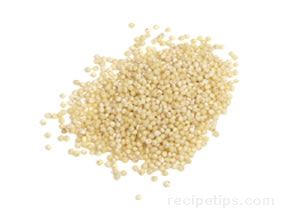
Baking Millet | Baking Oats | Baking Rice | Baking Wild Rice
Many grains can be cooked using the baking method, which is a dry heat cooking process that surrounds food with heat in an enclosed oven.
Boiling is one of the easiest methods for cooking rice. The grain is cooked uncovered in a large quantity of water. The rice and water are then dumped into a colander and drained for several minutes to remove the excess moisture.
General Guidelines | Recommended Storage Methods for Whole Grains
General Guidelines
Like many other foods, grains are perishable; however, the shelf life of grains is usually much longer than that of most foods.
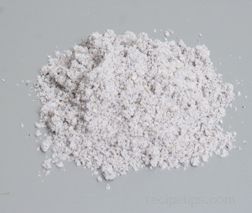
Corn | Rice | Rye | Other Grains
Types of Flour Ground from Corn
Several varieties of corn are used to produce different types of corn flour. The degree in which the corn is milled and processed also determines the type of flour that is produced.
Amaranth
Locations where consumers can purchase the whole grain and various products made from the grain:
Natural and health food stores
Specialty shops
Food co-o...
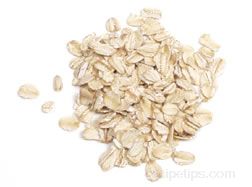
Microwaving Oatmeal | Microwaving Rice | Microwaving Rye
One of the most efficient and convenient methods for cooking grains is with the use of a microwave oven. The overall results can be very good if the grain is properly cooked in the microwave.
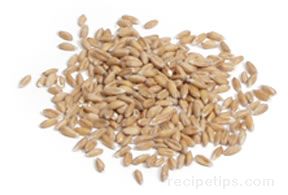
The many types of grains that are used for food have much in common despite the differences in size, color, texture, and flavor. All grains are the seeds of the plants, and the composition of the seeds or grains is basically the same.
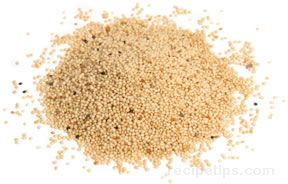
Amaranth | Corn | Millet
Frying is a dry heat cooking method that generally requires the use of a heavy-bottomed skillet and a small quantity of oil or fat to cook the food and prevent it from sticking to the pan.
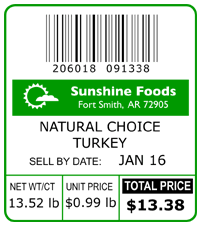
Use the charts below to help determine how much to buy of the foods listed below when preparing a meal or a recipe for a specific number of people.
Pasta Buying Guide | Rice Buying Guide | Egg Buying Guide | Meat Buying Guides
Pasta Buying Guide
The quantities in the chart below are approximates only.
Top 33 articles found
Displaying 1-20 | Next 13 >>


Advertisement
Advertisement