
Loading
Search
We hope you found what you are searching for. If not, contact us and let us know what your want. We will do the work for you and get back to you when we're done.
seven grain flour - Knowledge Search
Top 21 articles found
Displaying 1-20 | Next 1 >>
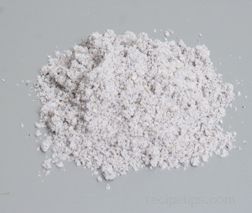
Corn | Rice | Rye | Other Grains
Types of Flour Ground from Corn
Several varieties of corn are used to produce different types of corn flour. The degree in which the corn is milled and processed also determines the type of flour that is produced.
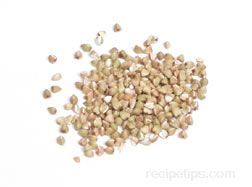
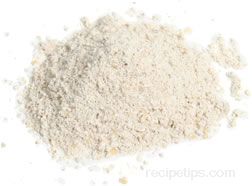
Types of Wheat Flour | Types of Non-Wheat FlourImportance of Gluten | Wheat/Non-Wheat Flour Proportions
Flour is the main ingredient in all types of breads. Different types of flour milled from wheat are most commonly used for making bread.
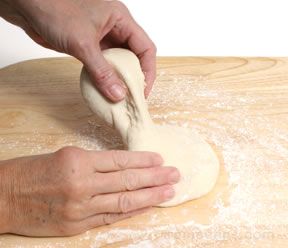
Nutritional Advantages | All About Gluten
Nutritional Advantages of Various Types of Flour
Most types of flour are composed mainly of carbohydrates, but the quantity varies according to the type of substance used to create the flour.
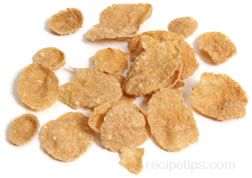
Described below are some of the products (including flour) created directly from various grains. Other than a few exceptions, products that are created after the grain has been ground into flour are not described, because they are so numerous.
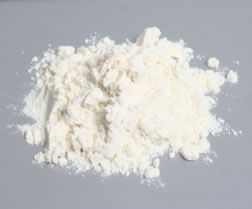
Tips - Home Flour Milling | Substitutions
Tips - Home Flour Milling
Amaranth Flour
Amaranth seeds are very small so they are difficult to grind into flour with conventional kitchen equipment.
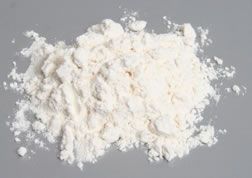
Types of Flour Ground from Wheat
One of the primary reasons for the popularity of wheat flour is due to its gluten forming capacity when the flour is mixed with liquid. Gluten is the substance that provides dough with elasticity and the ability to stretch as the leavening agent produces carbon dioxide gas, which enables the dough to rise effectively.
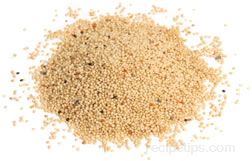
General Nutritional Facts of Grains | Specific Nutritional Facts of Individual Grains
General Nutritional Facts of Grains
Grains are composed primarily of carbohydrates, but the quantity varies according to the type of grain.
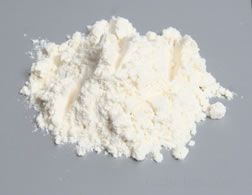
A Guide for Selecting the Proper Wheat Flour
It is wise to use flours specifically formulated for various baked goods, such as bread flour or cake flour, although all-purpose flour is suitable for a majority of items.
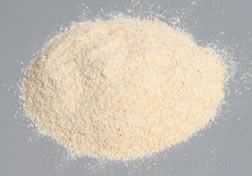
Type of Flour
Where the Flour can be Purchased
Amaranth Flour
Commonly found in natural and health food stores
Specialty shops
Large food stores
Mail order suppliers
Arrowroot Flour
Some large food stores
Specialty shops
Natural and health food stores
Barley Flour
Natural and health food stores
Specialty shops
Large food stores
Buckwheat Flour
Natural and health food stores
Specialty shops
Kosher markets
Kosher sections of large food stores
Mail order suppliers
Corn Flour
Cornmeal, Corn Flour, and Cornstarch:
Most food stores
Hispanic markets
Atole Flour, Blue Cornmeal, Harinilla, and Masa Harina:
Hispanic markets
Specialty shops
Hispanic sections of some large food stores
Mail order suppliers
Farro Flour
Natural and health food stores
Specialty shops
Mail order suppliers
Flax Seed Meal/Flour
Natural and health food stores
Specialty shops
Well-stocked food stores
Garbanzo Bean Flour
Middle Eastern markets
Specialty shops
Natural and health food stores
Job's Tears Flour
Natural and health food stores
Some Asian markets
Mail order suppliers
Kamut® Flour
Natural and health food stores
Specialty shops
Millet Flour
Natural and health food stores
Mail order suppliers
Indian, African, and Korean markets
Some large food stores
Oat Flour
Large food stores
Natural and health food stores
Specialty shops
Quinoa Flour
Natural and health food stores
Some large food stores
Rice Flour
White Rice Flour:
Most large food stores
Natural and health food stores
Brown Rice Flour:
Natural and health food stores
Specialty shops
Sometimes found in large food store
Chinese, Japanese, Thai, Italian, Spanish, Middle Eastern, or any other market specializing in rice varieties native to a particular nation or region.
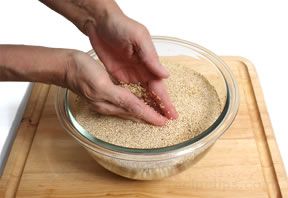
Grinding or milling various types of flour in the home can be accomplished with only a few basic tools. Some tools make the job easier and some types of flour are easier to create depending on the type of grain or other substance that is used.
Most types of flour keep well in a sealed container in a cool, dry, and dark location. The original paper packaging used for many types of flour is fine for long term storage as long as the package has not been opened.
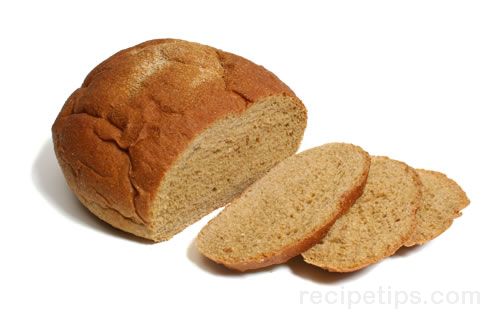
Enriched and/or Flavored Breads
Some basic yeast bread recipes are enhanced with other ingredients that change the characteristics of the bread including the texture, flavor, and color.
Types of Non-Wheat Flour Ground from Seeds
There are many types of flour milled from a wide variety of seeds. Most of the seeds used for flour are also prepared and cooked similar to actual cereal grains, so many people make no distinction between grain-like seeds and actual grains because of the similar ways in which they are used.
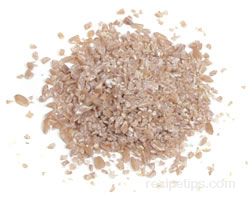
Described below are some of the products (including flour) created directly from wheat. Other than a few exceptions, products that are created after the grain has been milled into flour are not described, because they are so numerous.
Commercial Flour Milling
The wheat flour milling process begins after the wheat is harvested and is delivered to local elevators where it is graded and sold. The wheat is then delivered to the flourmill, where the first step is to remove the dirt and impurities.
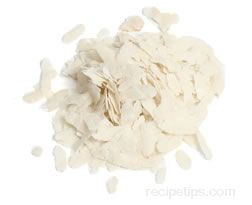
Described below are some of the products (including flour) created directly from rice. Other than a few exceptions, products that are created after the grain has been ground into flour are not described, because they are so numerous.
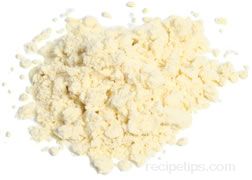
Described below are some of the products (including flour) created directly from corn. Other than a few exceptions, products that are created after the grain has been ground into flour are not described, because they are so numerous.
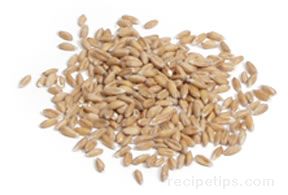
The many types of grains that are used for food have much in common despite the differences in size, color, texture, and flavor. All grains are the seeds of the plants, and the composition of the seeds or grains is basically the same.
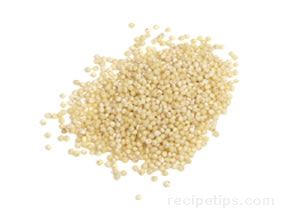
Baking Millet | Baking Oats | Baking Rice | Baking Wild Rice
Many grains can be cooked using the baking method, which is a dry heat cooking process that surrounds food with heat in an enclosed oven.
Top 21 articles found
Displaying 1-20 | Next 1 >>


Advertisement
Advertisement