
Loading
Search
We hope you found what you are searching for. If not, contact us and let us know what your want. We will do the work for you and get back to you when we're done.
rising and punching - Knowledge Search
Top 5 articles found
Displaying 1-5
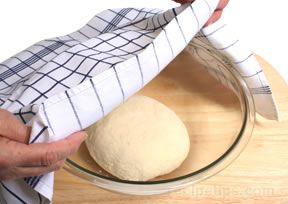
After the bread dough has been kneaded, it must be allowed to rest in order for the yeast to continue with the fermentation. The fermentation produces carbon dioxide gas, which becomes trapped within the dough, resulting in the rising action that is necessary to develop the texture and flavor of the final product.
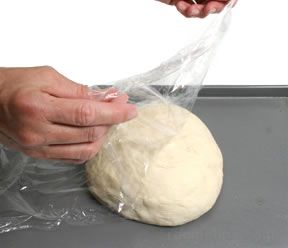
For many bread recipes the final rising is often the second rising, while other breads may require two or more cycles of rising, punching, and kneading before being shaped and allowed to rise for the final time.
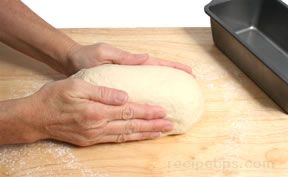
Standard Loaf Pan | Bloomer | Cob or Boule | Coburg | CottageMolded Tin or Split Pan | Baguette | Épi | Fougasse | Braided | Ring | Flat Breads
After the dough has been punched down, kneaded, and then has rested briefly, it is ready to be shaped.
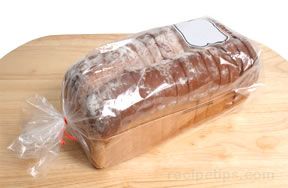
Among the top criteria influencing the shelf life of bread are the following: the bread ingredients used, the bread storage temperature and humidity levels, the type of storage container used, and the bread storage location.

Flour Used as a Thickening Agent | Frying | Deep-Frying | Baking
Flour Used as a Thickening Agent
Flour is one of the most often used thickening agents when cooking foods such as sauces, gravies, soups, stews, and gumbos.
Top 5 articles found
Displaying 1-5


Advertisement
Advertisement