
Loading
Search
We hope you found what you are searching for. If not, contact us and let us know what your want. We will do the work for you and get back to you when we're done.
rich dough - Knowledge Search
Top 27 articles found
Displaying 1-20 | Next 7 >>
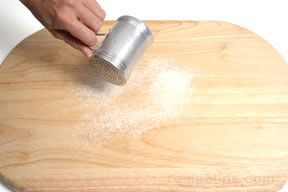
Kneading is especially important when preparing yeast breads because it helps to distribute the activated yeast and it enables the protein in the flour to develop into gluten, which promotes the properties of stretching and expansion in the dough.
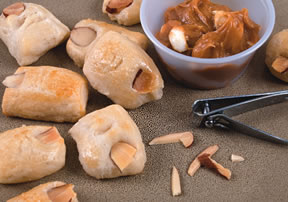
Dough Toes
Hideous!
They're short and stubby, crusty and disgusting - they're dough toes!
Ingredients: Makes about 64 unmanicured toes
1 (11 oz.
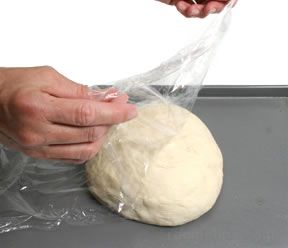
For many bread recipes the final rising is often the second rising, while other breads may require two or more cycles of rising, punching, and kneading before being shaped and allowed to rise for the final time.
Tips
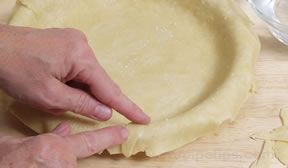
The following tips may assist in a more successful pie making experience or help you with some problem areas.
Dry Dough:
If the dough is dry and does not stick together when pinching a small piece of between your fingers, add more ice water.
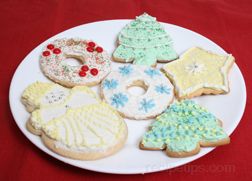
There are so many delicious Christmas cookies and sweets to enjoy at Christmas time that it is hard to decide what we should make. You can make Christmas cookies, sugar cookies, breads, cakes, candies, bars, pies, tarts, and much more to share with family and friends throughout the holiday season. Christmas cookies are among the favorites during the holiday season, especially with the children. There is nothing like a frosted sugar cookie to bring a smile to everyone's face.
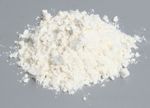
When making homemade pasta you will need to decide what type of flour you want to use. If making a flavored pasta that requires something other than a different variety of flour, you will need to purchase the necessary flavoring agent.
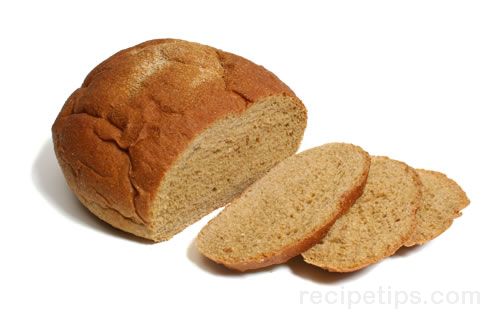
Enriched and/or Flavored Breads
Some basic yeast bread recipes are enhanced with other ingredients that change the characteristics of the bread including the texture, flavor, and color.
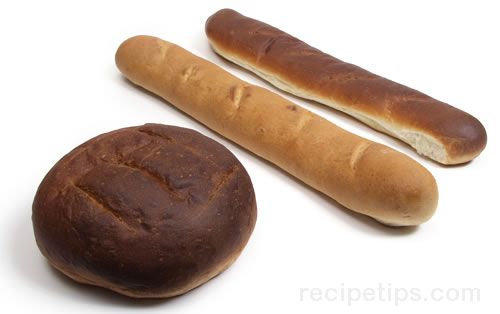
Basic breads are those that are made with a simple recipe of a few ingredients, are yeast leavened, and are usually easy for the home cook to prepare, requiring only basic bread making skills and simple pieces of kitchen equipment.
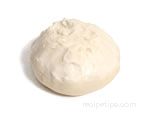
Leavening Agents | Liquids | SaltsFats and Oils | Sweeteners | Other Flavoring Ingredients
Leavening Agents
Leavening agents are the substances that allow bread dough to rise.
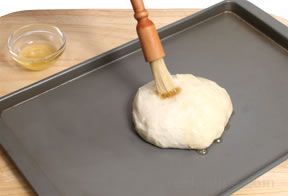
Glazing and/or topping are often the final steps in bread making prior to baking the bread. Although glazes and toppings are often optional ingredients, they do add a boost of flavor and enhance the appearance of the bread.
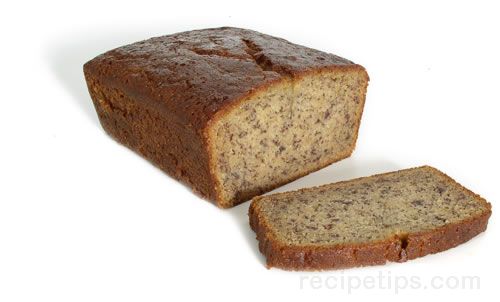
Quick Breads
Quick bread refers to breads that require minimal preparation time, are made from batter more often than from dough, and are leavened with chemical agents, such as baking soda or baking powder, instead of yeast or natural starters.
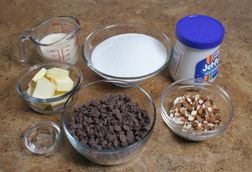
Dry Ingredients | Solid Ingredients | Liquid Ingredients | Fat Ingredients
There are many ingredients that have special functions in the baking and cooking process. Some functions are critical to the success of the finished product.
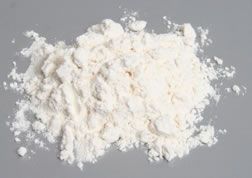
Types of Flour Ground from Wheat
One of the primary reasons for the popularity of wheat flour is due to its gluten forming capacity when the flour is mixed with liquid. Gluten is the substance that provides dough with elasticity and the ability to stretch as the leavening agent produces carbon dioxide gas, which enables the dough to rise effectively.
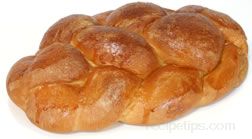
Festival Breads
Traditionally, festival breads were prepared to denote a special observance of religious or national importance. Some breads were made only once a year, while others were baked weekly, however many of the once-a-year breads are now being offered year round by a greater number of commercial bakers.
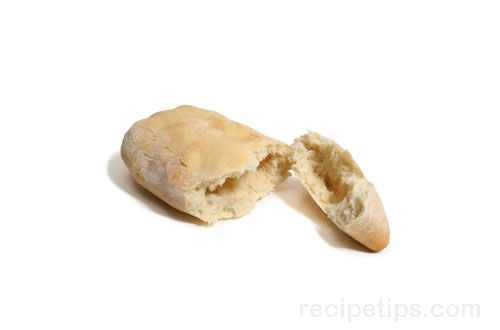
Using a starter is, perhaps, the oldest method for preparing leavened breads. Many basic bread varieties use a starter as the leavening agent. Although it can be a lengthy process, using a starter greatly contributes to the flavor and texture of the bread.
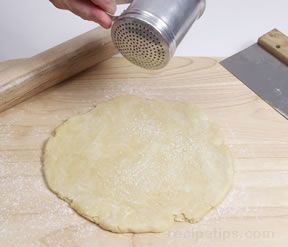
Short crust is used to make pies and tarts. It is slightly different than a basic flaky crust in that it is lighter and crispier. It is more tender and crumbles easier when eaten.
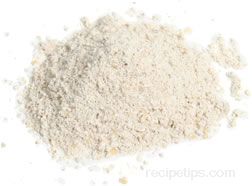
Types of Wheat Flour | Types of Non-Wheat FlourImportance of Gluten | Wheat/Non-Wheat Flour Proportions
Flour is the main ingredient in all types of breads. Different types of flour milled from wheat are most commonly used for making bread.
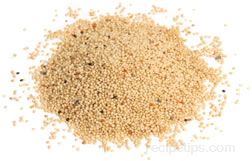
General Nutritional Facts of Grains | Specific Nutritional Facts of Individual Grains
General Nutritional Facts of Grains
Grains are composed primarily of carbohydrates, but the quantity varies according to the type of grain.
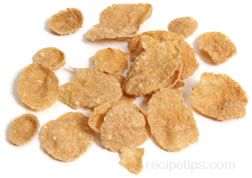
Described below are some of the products (including flour) created directly from various grains. Other than a few exceptions, products that are created after the grain has been ground into flour are not described, because they are so numerous.
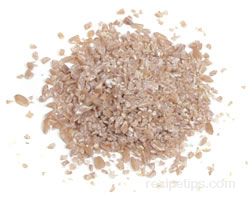
Described below are some of the products (including flour) created directly from wheat. Other than a few exceptions, products that are created after the grain has been milled into flour are not described, because they are so numerous.
Top 27 articles found
Displaying 1-20 | Next 7 >>


Advertisement
Advertisement