
Loading
Search
We hope you found what you are searching for. If not, contact us and let us know what your want. We will do the work for you and get back to you when we're done.
rice noodles cooked - Knowledge Search
Top 32 articles found
Displaying 1-20 | Next 12 >>
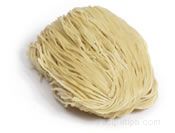
Asian Noodles
Asian noodles consist of strands that vary in shape, width, and length. Many Asian noodles are very long in length, symbolizing longevity. They can be thin straight sticks, flat strands, round strands, and wavy strands.
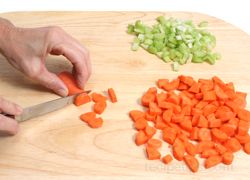
crock pot, slow cooker, slow cooking
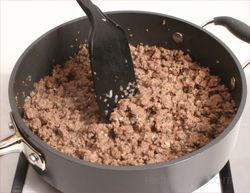
crock pot, slow cooker, slow cooking
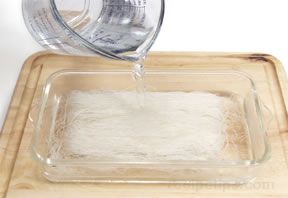
Asian noodles, like pasta noodles, are available in round, flat and square shapes, and in various widths and lengths. Most often Asian noodles are purchased, rather than made by hand.
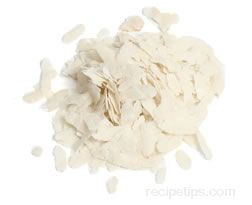
Described below are some of the products (including flour) created directly from rice. Other than a few exceptions, products that are created after the grain has been ground into flour are not described, because they are so numerous.
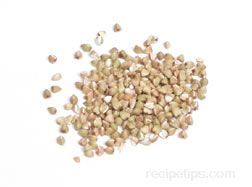
Hot Liquid Cooking Techniques for Grain | Cooking Buckwheat
The three basic techniques for cooking buckwheat with hot liquid are boiling, absorption, and steaming, which are perhaps the most popular methods for cooking most whole grains.
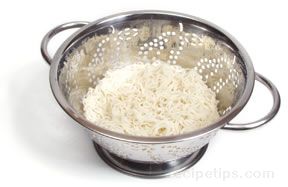
A wok, which has deep tapered sides, is a traditional type pan used for stir-frying. A wok works well but is not a necessity. A nonstick deep skillet also works very well. If rice noodles or mung bean noodles are going to be added to the stir-fry, they are sometimes deep-fried in the wok or deep skillet first and then set aside while other ingredients are stir-fried according to the recipe.
A wok, which has deep tapered sides, is a traditional type pan used for stir-frying. A wok works well but is not a necessity. A nonstick deep skillet also works very well. If rice noodles or mung bean noodles are going to be added to the stir-fry, they are sometimes deep-fried in the wok or deep skillet first and then set aside while other ingredients are stir-fried according to the recipe.
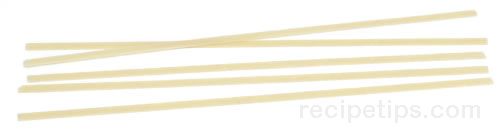
Ribbon pasta, which is flat strands of pasta, is available in different lengths, widths and thickness. Some are short and wide, while others are long and narrow. Ribbon pasta can have straight or wavy edges and many varieties are available fresh and dried.
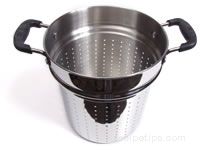
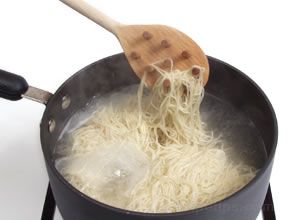
The basic cooking method most often used for cooking pasta is boiling. There are a few other methods used to cook specific types of pasta and Asian noodles. The other methods used are baking, deep-frying, and stir-frying.
Noodles are fried to produce a crisp textured noodle. Frying can be accomplished by the use of two different methods, pan-frying and deep-frying. Both methods work on the principle of using hot oil to fry the noodles.
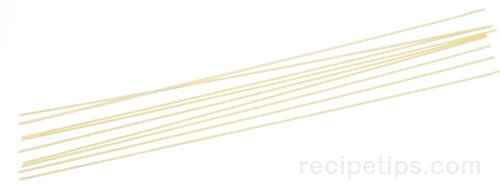
Pasta strands are long rods of pasta, which are generally round, but they are available in a square rod also. The basic difference from one variety to the next is the thickness of the strands.
Use this ingredient equivalent chart to find out how much of an ingredient you need when your recipe suggests an unfamiliar quantity.
A - B - C - D - E - F - G - H - I - J - K - L - M - N - O - PQ - R - S - T - U - V - W - X - Y - Z
N - Ingredients
Ingredient
Amount
Equivalents
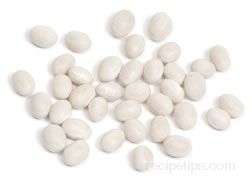
Navy Beans, dried
1 lb.
Fresh Beans | Fresh Bean Preparation | Fresh Bean Cooking | Fresh Bean TipsDried Beans | Dried Bean Preparation | Dried Bean Cooking
Beans
A generic name given to various plants in the legume family.

Light Tips for Pasta Dishes
Prepare dishes flavored with vegetables and herbs rather than meats and cream sauces.
When possible, use low-fat cheese, such as ricotta or cottage cheese in place of other cheeses.
Corn | Rice | Rye | Other Grains
Types of Flour Ground from Corn
Several varieties of corn are used to produce different types of corn flour. The degree in which the corn is milled and processed also determines the type of flour that is produced.
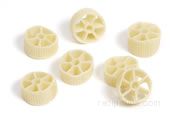
Basic Types | Flavors and Colors | Pasta Shapes | Pasta Sauces
Pasta is a basic staple ingredient used in cooking. It is available in hundreds of shapes worldwide and in many different flavors.
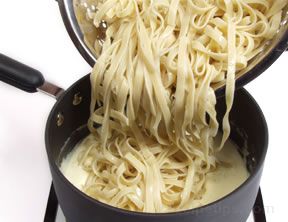
Most pastas have a similar flavor but when the sauce is added, the pasta and sauce create their own unique flavor. There are many types of sauces that can be used but some go better with certain types of pasta than others.
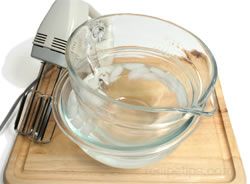
Ingredient Tips | Preparation TipsCooking & Baking Tips | Miscellaneous Tips
There are an endless number of kitchen tips available for you to try. Shown below are some popular tips that will help you in your everyday use of some common baking and cooking ingredients.
Top 32 articles found
Displaying 1-20 | Next 12 >>


Advertisement
Advertisement