
Loading
Search
We hope you found what you are searching for. If not, contact us and let us know what your want. We will do the work for you and get back to you when we're done.
pasta cooking equipment article - Knowledge Search
Top 15 articles found
Displaying 1-15
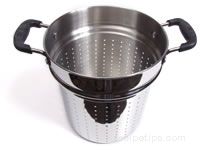
The basic cooking method most often used for cooking pasta is boiling. There are a few other methods used to cook specific types of pasta and Asian noodles. The other methods used are baking, deep-frying, and stir-frying.
crock pot, slow cooking
Contamination Prevention | Cooking Safety | Proper Storage
Contamination Prevention
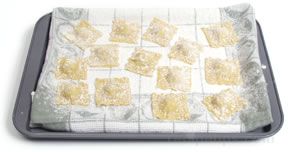
Cleanliness: A clean working environment is essential in the prevention of contamination in working with pasta and other foods.

Shopping Tips | Homemade Pasta Tips | Reheating Tips | Handling and Safety TipsChecking Doneness | Light Tips | Cooking Tips
Shopping Tips:
When purchasing fresh pasta, it is important that you check for the expiration date to ensure that the pasta will be fresh when you are ready to use it.
Early Barbecue Cookers | Modern Barbecue Cookers
Early Barbecue Cookers
The earliest known equipment used to barbecue foods in America were crude wooden racks that were used by Native Americans to smoke birds, fish, cattle, and pigs.
Tips on Making Homemade Pasta
Strengthen your homemade pasta dough by substituting ½ cup or less of semolina flour in place of an equal amount of all-purpose flour.
If the pasta becomes sticky at any point while working with the dough, dust it lightly with flour.
Sautéing | Pan-Frying | Stir-Frying | Deep-Frying | Grilling and BroilingBaking with Olive Oil | Smoke Point | Cooking Guidelines
Sautéing
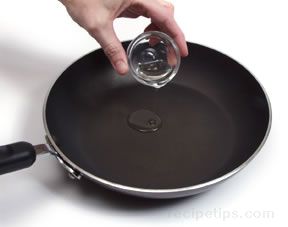
Sautéing is a cooking process using high heat that browns and sears food quickly in a small quantity of oil or fat in a skillet.
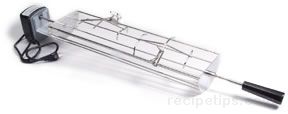
General Guidelines | Charcoal Grill | Gas Grill | Doneness | Roasting a Whole Lamb
Rotisserie cooking requires three key components: The spit assembly, a means to turn the spit, and a heat source for cooking.
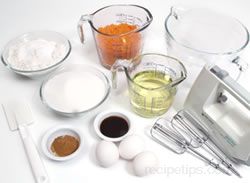
Reading the Recipe | Ingredient Preparation | Scaling Your Recipe
Knowing how to follow and read your recipe will help make your cooking or baking experience a success. Properly preparing your ingredients, using proper cooking times and temperatures, and proper bakeware or cookware all assist in the success of your end product.
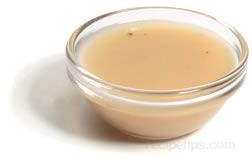
Flour Used as a Thickening Agent | Frying | Deep-Frying | Baking
Flour Used as a Thickening Agent
Flour is one of the most often used thickening agents when cooking foods such as sauces, gravies, soups, stews, and gumbos.
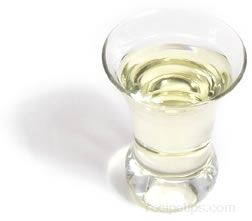
Oil Extraction Methods | Types of Edible Liquid FatsOlive Oil Basics | Types of Olive Oil
Oil Extraction Methods
There are numerous edible oils obtained from plant sources that are used for hundreds of culinary, pharmaceutical, and cosmetic products.
Measuring | Mixing, Rising, and KneadingAdditional Tools for Preparation | Baking | Serving
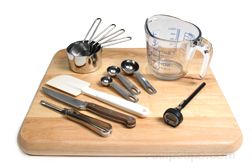
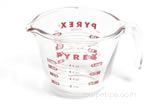
Most of the kitchen tools and devices necessary for bread making are simple items that are found in most home kitchens: measuring cups and spoons, a large bowl (preferably glass), a large spoon (preferably wood), a work surface, a dish towel, a sharp knife, and a baking sheet.
Ingredient Tips | Preparation TipsCooking & Baking Tips | Miscellaneous Tips
There are an endless number of kitchen tips available for you to try. Shown below are some popular tips that will help you in your everyday use of some common baking and cooking ingredients.
Food Related Allergies | Food Related Intolerances | Food Labeling
Food Related Allergies
Allergic reactions in humans are initiated by the immune system through an endless number of stimuli including bee stings, vinyl, metals, dust, cosmetics, medicines, and so on.
Storage of Liquid Fats | Storage of Solid FatsDeep-Frying Safety Tips | Olive Oil Handling/Safety/Storage
Guidelines for Storage of Liquid Fats
General Guidelines
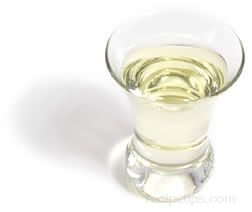
Air, heat, light, and age affect the quality and the shelf life of many types of edible oils, which deteriorate through oxidation (rancidity).
Top 15 articles found
Displaying 1-15


Advertisement
Advertisement