
Loading
Search
We hope you found what you are searching for. If not, contact us and let us know what your want. We will do the work for you and get back to you when we're done.
nondairy - Knowledge Search
Top 7 articles found
Displaying 1-7
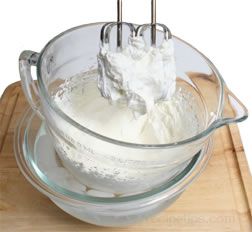
Types of Cream | Flavoring Whipped Cream | Preparing in Hot or Cold WeatherWhipping the Cream | Stabilizing Whipped Cream | Storing | Other Whipped Toppings
Whipping cream can be used for several purposes.
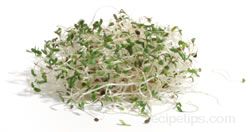
Use this ingredient equivalent chart to find out how much of an ingredient you need when your recipe suggests an unfamiliar quantity.
A - B - C - D - E - F - G - H - I - J - K - L - M - N - O - PQ - R - S - T - U - V - W - X - Y - Z
A - Ingredients
Ingredient
Amount
Equivalents
Alfalfa Sprouts
1 lb.
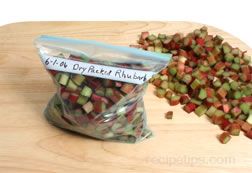
Organize Your Storage Area | Storage Charts
Storing your food properly and under the best condition possible will extend its life to its maximum potential. Some foods can be stored at room temperature and some must be refrigerated.

Food Related Allergies | Food Related Intolerances | Food Labeling
Food Related Allergies
Allergic reactions in humans are initiated by the immune system through an endless number of stimuli including bee stings, vinyl, metals, dust, cosmetics, medicines, and so on.
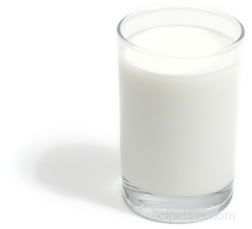
Types of Milk | Animal Feed | Geology | Seasons and Weather
Types of Milk
Milk from Animals
Most types of cheese that consumers have become accustomed to seeing on store shelves are produced from the milk of three animals: cows, sheep, and goats.
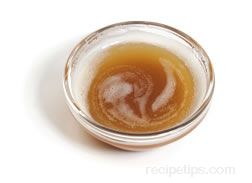
Most of the edible fats described below are solid or semisolid at room temperature and most are from animal sources. A small number of plant fats are also naturally solid or semisolid at room temperature.
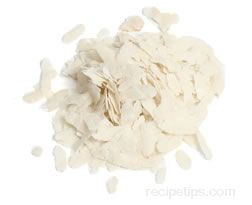
Described below are some of the products (including flour) created directly from rice. Other than a few exceptions, products that are created after the grain has been ground into flour are not described, because they are so numerous.
Top 7 articles found
Displaying 1-7


Advertisement
Advertisement