
Loading
Search
We hope you found what you are searching for. If not, contact us and let us know what your want. We will do the work for you and get back to you when we're done.
making homemade pasta - Knowledge Search
Top 21 articles found
Displaying 1-20 | Next 1 >>
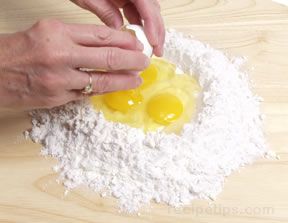
Making homemade pasta takes time and effort but it is an inexpensive way of providing you with a fresh, delicious tasting, delicate textured pasta. There are tools available to assist in the pasta making process that will make it easier and save time.
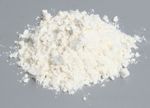
When making homemade pasta you will need to decide what type of flour you want to use. If making a flavored pasta that requires something other than a different variety of flour, you will need to purchase the necessary flavoring agent.

Tips on Making Homemade Pasta
Strengthen your homemade pasta dough by substituting ½ cup or less of semolina flour in place of an equal amount of all-purpose flour.
If the pasta becomes sticky at any point while working with the dough, dust it lightly with flour.
Basic Types | Flavors and Colors | Pasta Shapes | Pasta Sauces
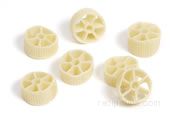
Pasta is a basic staple ingredient used in cooking. It is available in hundreds of shapes worldwide and in many different flavors.
Shopping Tips | Homemade Pasta Tips | Reheating Tips | Handling and Safety TipsChecking Doneness | Light Tips | Cooking Tips
Shopping Tips:
When purchasing fresh pasta, it is important that you check for the expiration date to ensure that the pasta will be fresh when you are ready to use it.
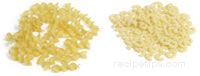
When shopping for pasta there are several details that you need to consider to be assured of purchasing the quantity, quality and type of pasta or pasta ingredients to satisfy your needs.
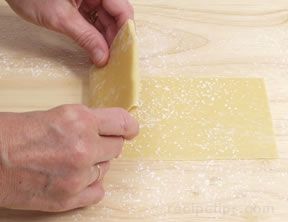
Homemade pasta can be cut into many shapes and sizes but the options
are limited in comparison to factory made dried pastas. Some shapes and
sizes can be cut by hand but many must be formed by the use of a machine
and special cutting rollers and dies.
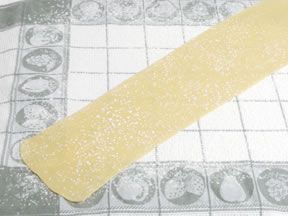
Homemade pasta can be cut into shapes and different width noodles by the use of different types of pasta machines. The pasta shapes and noodles are cut by the use of different dies and cutting rollers on the pasta machines.
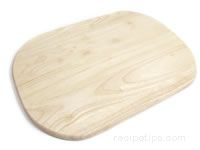
The equipment needed to make fresh homemade pasta consists of fairly basic items. At a minimum you will need a work surface, measuring cups and spoons, rolling pin, knife, and your hands for mixing and kneading.
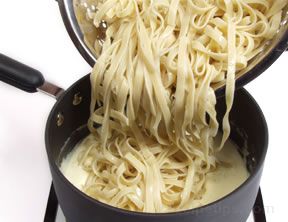
Most pastas have a similar flavor but when the sauce is added, the pasta and sauce create their own unique flavor. There are many types of sauces that can be used but some go better with certain types of pasta than others.
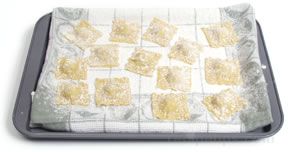
Contamination Prevention | Cooking Safety | Proper Storage
Contamination Prevention
Cleanliness: A clean working environment is essential in the prevention of contamination in working with pasta and other foods.
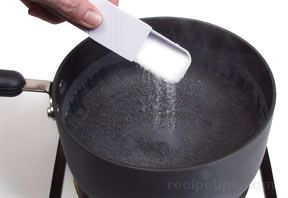
Boiling is the method most often used for cooking pasta. It is also used in conjunction with some of the other cooking methods, such as stir-frying and baking. When boiling pasta it is important to use a sufficient amount of water, generally a quart of water per 4 ounces of pasta is satisfactory.
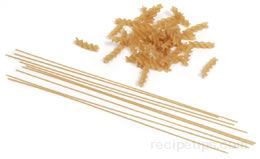
Pasta was once considered to be fattening and have very little nutritional value. Nutritional experts now realize the value of pasta in our diet. Grain based foods, such as pasta, are a good source of fiber and complex carbohydrates.

Ribbon pasta, which is flat strands of pasta, is available in different lengths, widths and thickness. Some are short and wide, while others are long and narrow. Ribbon pasta can have straight or wavy edges and many varieties are available fresh and dried.
Generally the color of the pasta is a result from the flavoring agent used in the pasta. The taste from the flavoring agents is most often fairly mild. Shown below are some of the most common flavoring agents and how to add them to your homemade pasta.
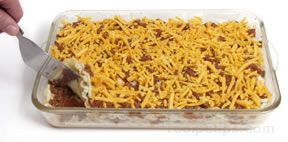
Baked pasta dishes have become very popular and are served as main courses, side dishes, or as the first course of a meal. There are many different baked dishes but one of the most popular and well known is lasagne.
Light Tips for Pasta Dishes
Prepare dishes flavored with vegetables and herbs rather than meats and cream sauces.
When possible, use low-fat cheese, such as ricotta or cottage cheese in place of other cheeses.
The appearance of the pasta can help you determine its quality. Dried pasta should be a translucent, creamy yellow color without any tint of gray. When held up to the light it should appear translucent, without signs of any air bubbles or dark specs.
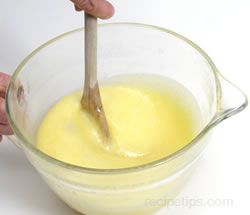
Flour is used as the main ingredient for many types of food items including breads, rolls, biscuits, pancakes, waffles, cakes, pastries, and pasta. Some food items, such as cakes, waffles, and pancakes, require only a batter to be created, which is usually liquid enough to be poured, while foods such as breads, rolls, and pasta require a dough to be formed, which is a heavier mass that usually requires some kneading or rolling.
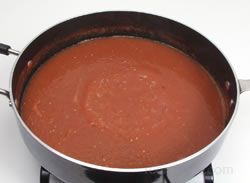
Here's a tasty idea for using some of those fresh vine-ripened tomatoes from your garden: make your own homemade tomato sauce. Nothing makes tomato sauce stand out more than when you use your own garden-fresh tomatoes.
Top 21 articles found
Displaying 1-20 | Next 1 >>


Advertisement
Advertisement