
Loading
Search
We hope you found what you are searching for. If not, contact us and let us know what your want. We will do the work for you and get back to you when we're done.
lobster - Knowledge Search
Top 10 articles found
Displaying 1-10
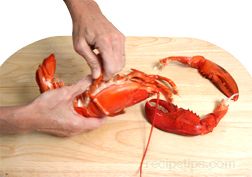
What You Will Need
A utensil that is used to crack open the hard-shelled claws and other parts of a lobster in order to access areas containing meat. This tool is typically formed to the shape of the lobster claw and legs in order to easily grasp the hard surfaced area.
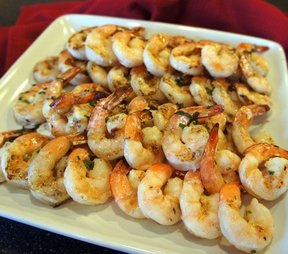
Shellfish - Crustaceans | Shellfish - Mollusks | Food Safety
The flavor of shellfish benefits significantly from grilling. Removing the shellfish from the grill before they become too well done and rubbery is the biggest challenge.
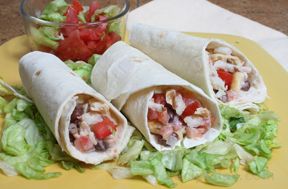
Our collection of fish and seafood recipes features a great variety of fish recipes, scallop recipes, shrimp and lobster recipes.
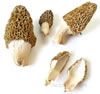
Mushroom Preparation | Mushroom Cooking Tips
Mushrooms
The mushroom is just one of a very large, diverse group of organisms called fungi. It is similar to a plant but lacks chlorophyll, so they cannot produce food for themselves through photosynthesis.
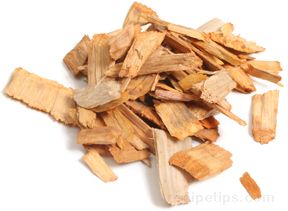
A wide range of woods are suitable for grilling and smoking food. Hardwoods are much better to use than softwoods because hardwoods burn longer and provide more heat. Hardwoods also add more flavor to foods because of the aromatic smoke that is produced as the wood burns.
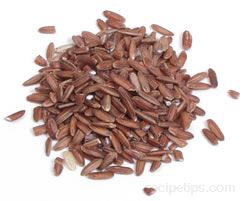
Cooking Rice with the Absorption Method | Cooking Paella | Cooking Risotto
Cooking Rice with the Absorption Method
Cooking rice with the absorption method is, perhaps, the method that most people are accustomed to when cooking rice, but it is often the most difficult.
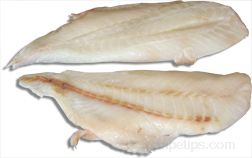
Contamination Prevention | Cooking Safety | Proper StorageConsumption Safety
When working with fish it is essential that proper handling and storage are used to reduce the risk of food-borne illness and ensure a quality product.
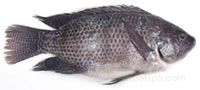
When preparing fish you want to be sure that the fish is handled properly to ensure it is safe to eat. There are several cooking methods that include baking, frying, and grilling, which all result in a little different taste for the fish when it is done cooking.
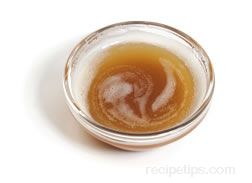
Most of the edible fats described below are solid or semisolid at room temperature and most are from animal sources. A small number of plant fats are also naturally solid or semisolid at room temperature.
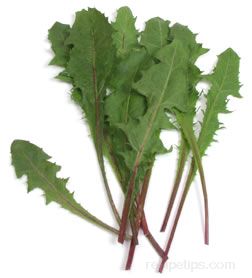
Use this ingredient equivalent chart to find out how much of an ingredient you need when your recipe suggests an unfamiliar quantity.
A - B - C - D - E - F - G - H - I - J - K - L - M - N - O - PQ - R - S - T - U - V - W - X - Y - Z
D - Ingredients
Ingredient
Amount
Equivalents
Dandelion Greens
1 lb.
Top 10 articles found
Displaying 1-10


Advertisement
Advertisement