
Loading
Search
We hope you found what you are searching for. If not, contact us and let us know what your want. We will do the work for you and get back to you when we're done.
grain products other grains - Knowledge Search
Top 51 articles found
Displaying 1-20 | Next 20 >>
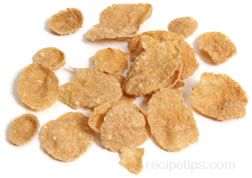
Described below are some of the products (including flour) created directly from various grains. Other than a few exceptions, products that are created after the grain has been ground into flour are not described, because they are so numerous.
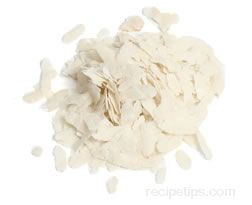
Described below are some of the products (including flour) created directly from rice. Other than a few exceptions, products that are created after the grain has been ground into flour are not described, because they are so numerous.
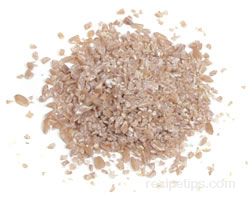
Described below are some of the products (including flour) created directly from wheat. Other than a few exceptions, products that are created after the grain has been milled into flour are not described, because they are so numerous.
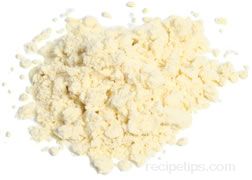
Described below are some of the products (including flour) created directly from corn. Other than a few exceptions, products that are created after the grain has been ground into flour are not described, because they are so numerous.
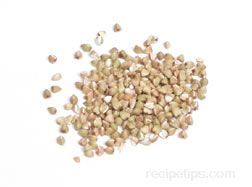
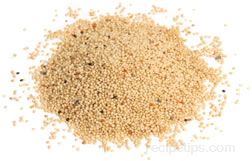
General Nutritional Facts of Grains | Specific Nutritional Facts of Individual Grains
General Nutritional Facts of Grains
Grains are composed primarily of carbohydrates, but the quantity varies according to the type of grain.
Amaranth
Locations where consumers can purchase the whole grain and various products made from the grain:
Natural and health food stores
Specialty shops
Food co-o...
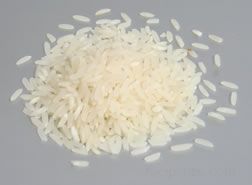
When purchasing grains, it is important to read and understand the label to ensure that the products you purchase are what were intended and are of the best possible quality....
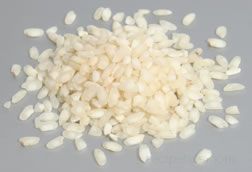
Classifications of RiceShort-grain Rice Varieties | Medium-grain Rice Varieties | Long-grain Rice Varieties
Some grains, such as rice, are available in many different types and varieties.
General Guidelines | Recommended Storage Methods for Whole Grains
General Guidelines
Like many other foods, grains are perishable; however, the shelf life of grains is usually much longer than that of most foods.
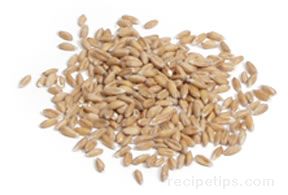
The many types of grains that are used for food have much in common despite the differences in size, color, texture, and flavor. All grains are the seeds of the plants, and the composition of the seeds or grains is basically the same.
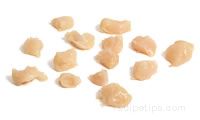
To see information on some of the many chicken products that are available, select one of the items above.
Miscellaneous Products
Diced Chicken
Skinless and boneless chicken diced up into pieces.
Corn | Rice | Rye | Other Grains
Types of Flour Ground from Corn
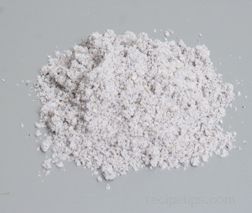
Several varieties of corn are used to produce different types of corn flour. The degree in which the corn is milled and processed also determines the type of flour that is produced.
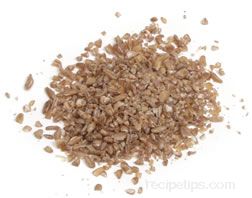
Bulgur Wheat Defined | Cooking Bulgur Wheat
The three basic techniques for cooking grains with hot liquid are boiling, absorption, and steaming, which are perhaps the most popular methods for cooking all whole grains.
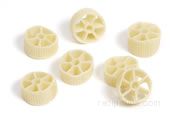
There are a large variety of pasta shapes and noodles available. When selecting the variety of pasta you are going to purchase, you must consider the size and shape of the pasta and which varieties will go best with the sauce or dish you are preparing.
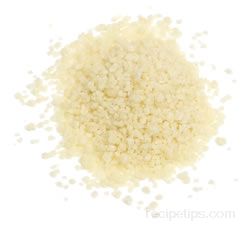
Couscous Defined | Cooking Couscous
The three basic techniques for cooking grains with hot liquid are boiling, absorption, and steaming, which are perhaps the most popular methods for cooking all whole grains.
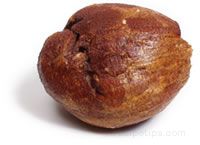
Hams | Raw Hams | Specialty Ham | Miscellaneous
Hams
Hams are cuts of pork that come from the leg, which have been dry cured (country hams) or wet-cured (city hams) and then boiled or smoked.
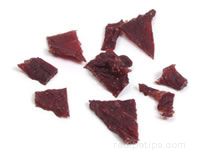
Dried Beef ProductsVarious cuts of beef can be preserved using a combination of seasonings and drying processes, performed under controlled conditions, to produce food items that have a long shelf life.
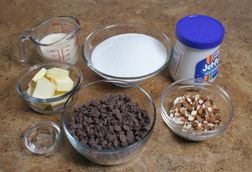
Dry Ingredients | Solid Ingredients | Liquid Ingredients | Fat Ingredients
There are many ingredients that have special functions in the baking and cooking process. Some functions are critical to the success of the finished product.

Food Related Allergies | Food Related Intolerances | Food Labeling
Food Related Allergies
Allergic reactions in humans are initiated by the immune system through an endless number of stimuli including bee stings, vinyl, metals, dust, cosmetics, medicines, and so on.
Top 51 articles found
Displaying 1-20 | Next 20 >>


Advertisement
Advertisement