
Loading
Search
We hope you found what you are searching for. If not, contact us and let us know what your want. We will do the work for you and get back to you when we're done.
flour preparation guide - Knowledge Search
Top 44 articles found
Displaying 1-20 | Next 20 >>
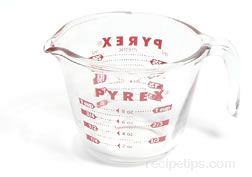
Individual graduated dry measuring cups are used to measure large quantities of flour while measuring spoons can be used to measure the smallest quantities.
When measuring flour, it is best to fill the measuring device until the flour is heaping above the rim.
Grinding or milling various types of flour in the home can be accomplished with only a few basic tools. Some tools make the job easier and some types of flour are easier to create depending on the type of grain or other substance that is used.
Flour is used as the main ingredient for many types of food items including breads, rolls, biscuits, pancakes, waffles, cakes, pastries, and pasta. Some food items, such as cakes, waffles, and pancakes, require only a batter to be created, which is usually liquid enough to be poured, while foods such as breads, rolls, and pasta require a dough to be formed, which is a heavier mass that usually requires some kneading or rolling.
Flour Used as a Thickening Agent | Frying | Deep-Frying | Baking
Flour Used as a Thickening Agent
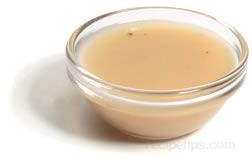
Flour is one of the most often used thickening agents when cooking foods such as sauces, gravies, soups, stews, and gumbos.
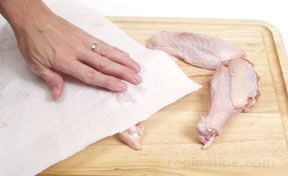
Dredging is a process in which foods are pulled through dry ingredients, such as flour, in order to coat the food before cooking. Flour can be used alone as a coating, but it is more often combined with other dry ingredients such as herbs, spices, salt, or breadcrumbs to create a seasoned coating on the food that becomes brown and crispy after it is cooked.
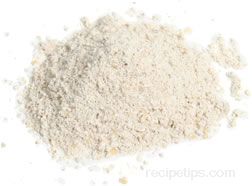
Types of Wheat Flour | Types of Non-Wheat FlourImportance of Gluten | Wheat/Non-Wheat Flour Proportions
Flour is the main ingredient in all types of breads. Different types of flour milled from wheat are most commonly used for making bread.
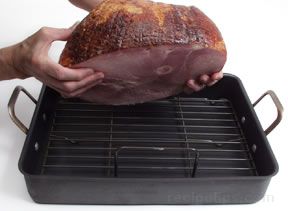
Some tasks to be aware of when preparing and baking a ham: thawing the ham properly, keeping a clean working area, and preparation for the cooking method being used. Most hams are prepared in the same basic manner for many of the ham recipes you will use.
crock pot, slow cooking
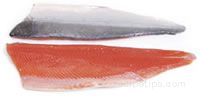
Thawing Fish | Salmon Preparation | Tips
Thawing Fish
Frozen fish can be cooked without thawing but the cooking time would need to be increased to cook it thoroughly. If the fish is going to be breaded, stuffed, broiled, fried or cooked in the microwave, it should be thawed completely first.
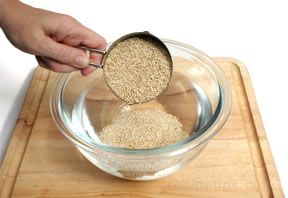
Cleaning/Rinsing Grain | Soaking Grain | Toasting Grain
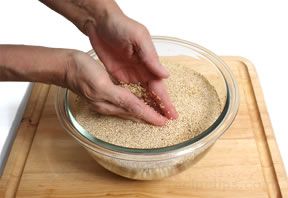
Preparation of whole grains before cooking is fairly simple: most require only washing or soaking before they can be cooked.
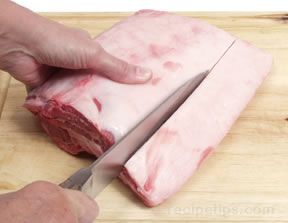
Thawing | Preparing a Rack of Lamb | Preparing a Crown RoastPreparing a Guard of Honor | Boning and Butterflying a Leg of Lamb | Grinding
Thawing
Lamb that has been frozen should never be defrosted at room temperature because harmful bacteria may grow rapidly under such conditions.
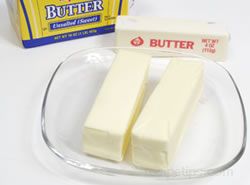
Clarified Butter | Brown Butter | Homemade Butter
Clarified Butter
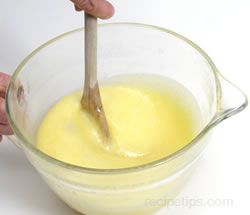
Melting whole butter and removing the milk solids and water, produces clarified butter. It is a rich golden fat that is also referred to as drawn butter.

Generally the color of the pasta is a result from the flavoring agent used in the pasta. The taste from the flavoring agents is most often fairly mild. Shown below are some of the most common flavoring agents and how to add them to your homemade pasta.
Tips on Making Homemade Pasta
Strengthen your homemade pasta dough by substituting ½ cup or less of semolina flour in place of an equal amount of all-purpose flour.
If the pasta becomes sticky at any point while working with the dough, dust it lightly with flour.
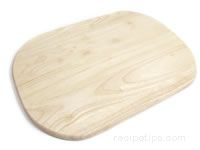
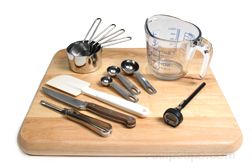
The equipment needed to make fresh homemade pasta consists of fairly basic items. At a minimum you will need a work surface, measuring cups and spoons, rolling pin, knife, and your hands for mixing and kneading.
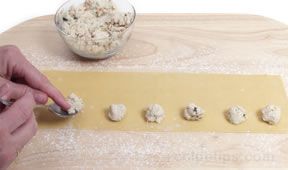
When making stuffed pasta, the pasta dough should be rolled thinner than when making other pasta because the stuffed pasta requires two layers. Using thinner layers will prevent the edges of the stuffed pasta from becoming too thick.
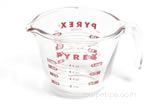
Measuring | Mixing, Rising, and KneadingAdditional Tools for Preparation | Baking | Serving
Most of the kitchen tools and devices necessary for bread making are simple items that are found in most home kitchens: measuring cups and spoons, a large bowl (preferably glass), a large spoon (preferably wood), a work surface, a dish towel, a sharp knife, and a baking sheet.
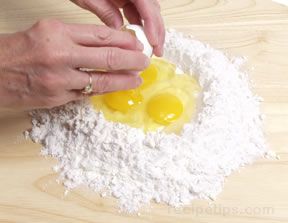
Making homemade pasta takes time and effort but it is an inexpensive way of providing you with a fresh, delicious tasting, delicate textured pasta. There are tools available to assist in the pasta making process that will make it easier and save time.
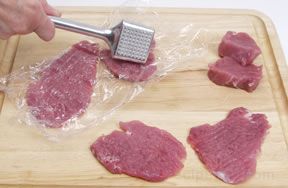
Pounding
Pounding of meat is performed for various purposes. Meat is pounded to tenderize, to even out the thickness of some cuts so that they cook more evenly, and to form cutlets.
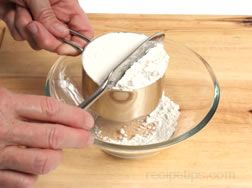
Measuring Dry Ingredients | Weight Versus VolumeMeasuring Solid Fats | Measuring Liquid Ingredients
When making bread, it is critical to use precise measurements. Unlike general cooking in which precise measurements are often not as critical, inaccurate measurements in bread making (and most baked items) affect the chemical processes that occur during the preparation and baking.
Top 44 articles found
Displaying 1-20 | Next 20 >>


Advertisement
Advertisement