
Loading
Search
We hope you found what you are searching for. If not, contact us and let us know what your want. We will do the work for you and get back to you when we're done.
flour corn - Knowledge Search
Top 51 articles found
Displaying 1-20 | Next 20 >>
Corn | Rice | Rye | Other Grains
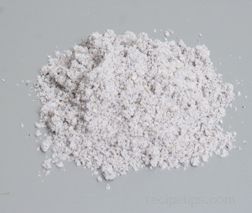
Types of Flour Ground from Corn
Several varieties of corn are used to produce different types of corn flour. The degree in which the corn is milled and processed also determines the type of flour that is produced.
Sweet Corn Preparation | Cooking Corn on the Cob | Grilling Sweet CornCreamed Corn | Freezing Sweet Corn | Tips
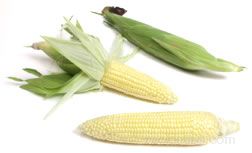
Sweet Corn
Corn is a tall cereal plant consisting of strong jointed stems supporting large ears containing kernels.
Types of Wheat Flour | Types of Non-Wheat FlourImportance of Gluten | Wheat/Non-Wheat Flour Proportions
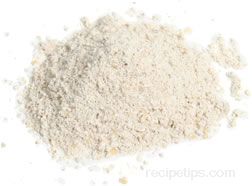
Flour is the main ingredient in all types of breads. Different types of flour milled from wheat are most commonly used for making bread.
Nutritional Advantages | All About Gluten
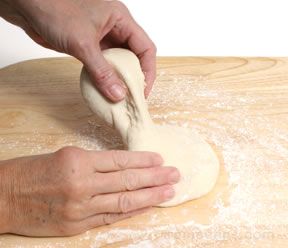
Nutritional Advantages of Various Types of Flour
Most types of flour are composed mainly of carbohydrates, but the quantity varies according to the type of substance used to create the flour.
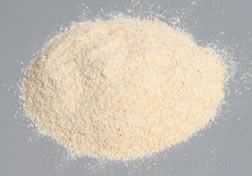
Type of Flour
Where the Flour can be Purchased
Amaranth Flour
Commonly found in natural and health food stores
Specialty shops
Large food stores
Mail order suppliers
Arrowroot Flour
Some large food stores
Specialty shops
Natural and health food stores
Barley Flour
Natural and health food stores
Specialty shops
Large food stores
Buckwheat Flour
Natural and health food stores
Specialty shops
Kosher markets
Kosher sections of large food stores
Mail order suppliers
Corn Flour
Cornmeal, Corn Flour, and Cornstarch:
Most food stores
Hispanic markets
Atole Flour, Blue Cornmeal, Harinilla, and Masa Harina:
Hispanic markets
Specialty shops
Hispanic sections of some large food stores
Mail order suppliers
Farro Flour
Natural and health food stores
Specialty shops
Mail order suppliers
Flax Seed Meal/Flour
Natural and health food stores
Specialty shops
Well-stocked food stores
Garbanzo Bean Flour
Middle Eastern markets
Specialty shops
Natural and health food stores
Job's Tears Flour
Natural and health food stores
Some Asian markets
Mail order suppliers
Kamut® Flour
Natural and health food stores
Specialty shops
Millet Flour
Natural and health food stores
Mail order suppliers
Indian, African, and Korean markets
Some large food stores
Oat Flour
Large food stores
Natural and health food stores
Specialty shops
Quinoa Flour
Natural and health food stores
Some large food stores
Rice Flour
White Rice Flour:
Most large food stores
Natural and health food stores
Brown Rice Flour:
Natural and health food stores
Specialty shops
Sometimes found in large food store
Chinese, Japanese, Thai, Italian, Spanish, Middle Eastern, or any other market specializing in rice varieties native to a particular nation or region.
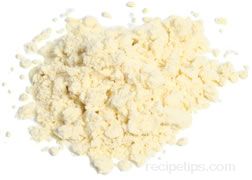
Described below are some of the products (including flour) created directly from corn. Other than a few exceptions, products that are created after the grain has been ground into flour are not described, because they are so numerous.
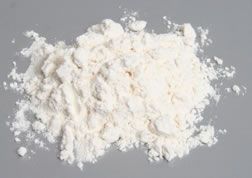
Most types of flour keep well in a sealed container in a cool, dry, and dark location. The original paper packaging used for many types of flour is fine for long term storage as long as the package has not been opened.
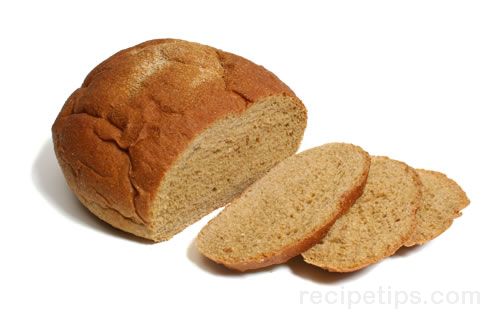
Enriched and/or Flavored Breads
Some basic yeast bread recipes are enhanced with other ingredients that change the characteristics of the bread including the texture, flavor, and color.
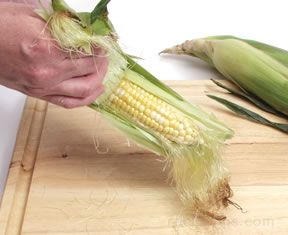
Preparing Corn on the Cob | Cooking Corn on the CobRemoving Kernels from the Cob
Preparing Corn on the Cob
Shuck the corn by peeling back the husk and completely removing it.
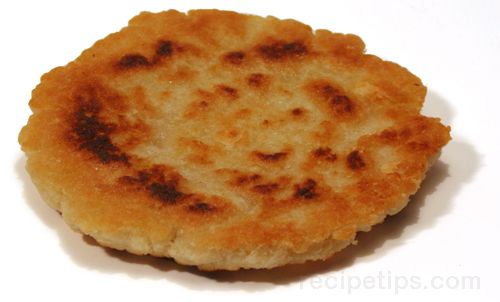
Flat Breads
Flat breads are made from both leavened and unleavened doughs. Both types have a general flat shape, although leavened flat breads are generally a bit taller and have a softer texture than unleavened flat breads.
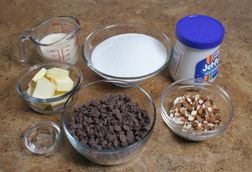
Dry Ingredients | Solid Ingredients | Liquid Ingredients | Fat Ingredients
There are many ingredients that have special functions in the baking and cooking process. Some functions are critical to the success of the finished product.
When making homemade pasta you will need to decide what type of flour you want to use. If making a flavored pasta that requires something other than a different variety of flour, you will need to purchase the necessary flavoring agent.
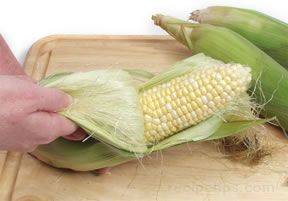
Husks On | Husks Off
Grilling is a great way to cook sweet corn to give it a little different flavor from other methods of cooking. There are several methods that can be used when grilling sweet corn and you can experiment with different flavored butters or seasonings to also give the corn a unique flavor.
What You Need:
14 cups
fresh corn on the cob, approximately 24-30 ears of corn
3/4 cup
sugar
1/8 cup
salt
7 cups
water
Plastic sealable freezer bags
Preparation for Freezing Corn:
Peel back the husk removing it from the corn cob.
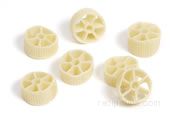
Basic Types | Flavors and Colors | Pasta Shapes | Pasta Sauces
Pasta is a basic staple ingredient used in cooking. It is available in hundreds of shapes worldwide and in many different flavors.

Generally the color of the pasta is a result from the flavoring agent used in the pasta. The taste from the flavoring agents is most often fairly mild. Shown below are some of the most common flavoring agents and how to add them to your homemade pasta.
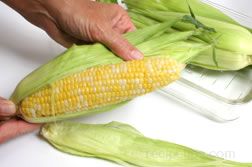
If you've never cooked corn on the cob on the grill, you don't know what you're missing. Get started by watching this video demonstration, which shows you one of the numerous methods for grilling sweet corn.
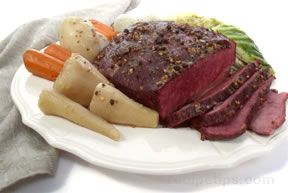
A hearty corned beef and cabbage dinner is most often associated with St. Patrick's Day celebrations, especially in the United States where it has become a popular holiday dish. Although it is often thought to be an Irish recipe, it is rarely served in Ireland.
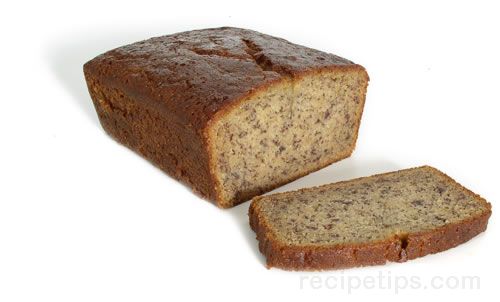
Quick Breads
Quick bread refers to breads that require minimal preparation time, are made from batter more often than from dough, and are leavened with chemical agents, such as baking soda or baking powder, instead of yeast or natural starters.
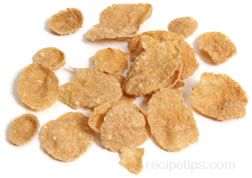
Described below are some of the products (including flour) created directly from various grains. Other than a few exceptions, products that are created after the grain has been ground into flour are not described, because they are so numerous.
Top 51 articles found
Displaying 1-20 | Next 20 >>


Advertisement
Advertisement