
Loading
Search
We hope you found what you are searching for. If not, contact us and let us know what your want. We will do the work for you and get back to you when we're done.
description of beef cuts - Knowledge Search
Top 56 articles found
Displaying 1-20 | Next 20 >>
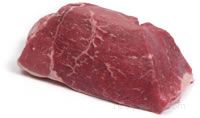
Beef cuts should be selected according to the planned method of cooking. For example, if beef is to be cooked on a grill, a tougher cut from the round or plate should not be purchased, unless the intention is to tenderize the meat before cooking it.

Beef is the name given to meat obtained from the carcasses of cattle. Each primary beef cut is known as a primal cut, which are groups of muscles from the same area of the beef carcass. The beef primal cuts include the chuck, rib, short loin, round, brisket, plate, and flank.
Learning about various cuts can make shopping for beef a much easier experience. A general knowledge of beef cuts and how they are best used will help you select the proper cut for a particular recipe.
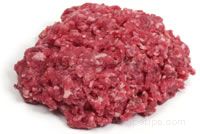
Miscellaneous CutsSome fresh beef cuts or scraps are ground, rolled, tenderized, cubed, or sliced in food stores or meat markets into various products that add convenience for the consumer.
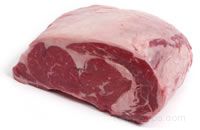
When roasting beef it is important to select the proper cut of roast beef to produce moist and tender meat when the roast beef is cooked to the desired doneness. Using the proper beef cooking times and temperatures is critical to the end results.
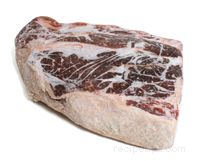
Miscellaneous Products
Frozen Whole Beef Cuts
Whole fresh beef cuts may be packaged and frozen before they are purchased by the consumer.
Barbecued Beef Ribs
There are several brands of beef ribs that have been fully cooked with barbecue sauce added.
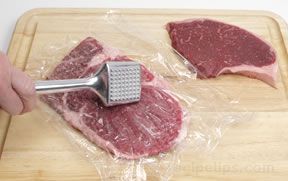
Pounding | Commercial Powders | Marinating | Rubs | Barding
Tenderizing makes it possible to purchase less costly beef cuts and still enjoy the tenderness that is usually found only in the more expensive cuts.
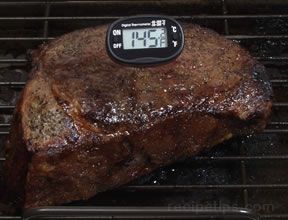
General Guidelines | Degree of Doneness | Meat Thermometers
General Guidelines
Even though harmful bacteria are usually only on the surface of whole beef cuts, there is growing concern that bacteria may be present in the internal portions of the meat as well, which is why it is now recommended that whole beef cuts be cooked to an internal temperature of not less than 145°F.
Whole Primal Cuts
Whole primal beef cuts may be purchased from a butcher or meat locker or it may be possible to obtained them from a special order from some food stores.
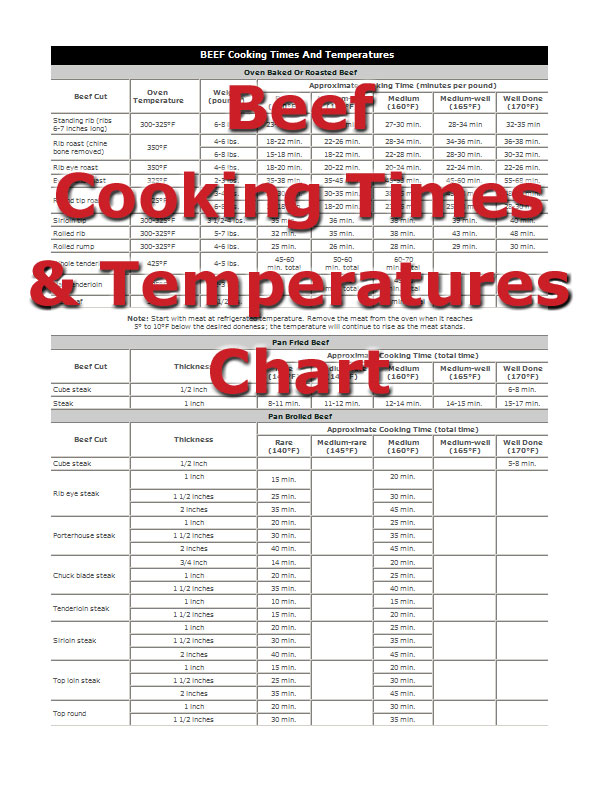
The proper beef cooking times and the correct beef cooking temperatures are extremely important. The optimum flavor and tenderness of various cuts of beef can be consistently achieved when care is taken to follow the recommended time and temperature guidelines for cooking beef.
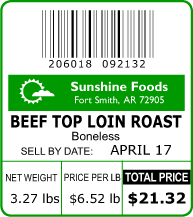
The food label on packaged beef provides a variety of information designed to make shopping as easy as possible. The label provides the following information depending on the type of beef product that is purchased:
Description of Beef Cut
The label on raw beef cuts contains the name of the primal cut the beef was taken from, the name of the retail or market ready cut, a short description (bone-in or boneless), the total weight, and cost per pound.
Shopping | Thawing | Marinating | Rubs | Cooking | CarvingGeneral Safety and Handling | Ground Beef Safety and Handling | Nutrition
Shopping
Lean boneless cuts yield up to 4 servings per pound.
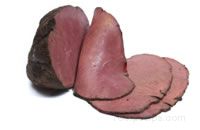
Various cuts of beef can be preserved with large quantities of salt or with the use of brining solutions. The preservation process lengthens the time that the beef products can be used safely.
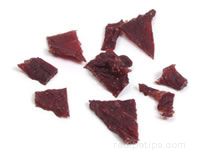
Dried Beef ProductsVarious cuts of beef can be preserved using a combination of seasonings and drying processes, performed under controlled conditions, to produce food items that have a long shelf life.
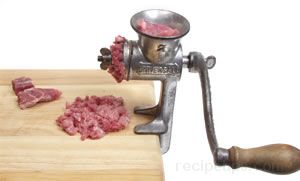
Meat Grinder | Food Processor | Hand Chopping
When purchasing ground beef, it is not always possible to know which beef cuts were used to produce the ground beef unless it is labeled "ground round" or "ground chuck".
In order to cook beef properly, the appropriate cooking method should be selected for each type of beef cut. For example, if you plan on using grilling as a cooking method, a tough beef cut from the round or plate should not be used, unless the intention is to tenderize the meat before cooking it.
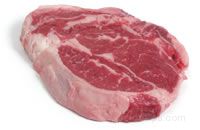
SteaksSteaks are among the most popular fresh beef cuts. The best steaks, in terms of tenderness, are from the loin and include the Filet mignon, Porterhouse, T-bone, and top loin strip.
The following points should be considered when purchasing cuts of beef:
Lean boneless cuts yield up to 4 servings per pound.
Beef cuts with some bone yield up to 3 servings per pound.
Beef can be aged so that the flavor and tenderness are enhanced. As the beef ages, enzymes in the meat are released which help to soften the tough, connective tissues. The aging process must be performed under carefully monitored conditions by a professional and should not be tried at home.
The proper beef roast cook times and the correct beef cooking oven temperatures are extremely important. The optimum flavor and tenderness of various beef roasts can be consistently achieved when care is taken to follow the recommended time and temperature guidelines for cooking beef roasts.
Top 56 articles found
Displaying 1-20 | Next 20 >>


Advertisement
Advertisement