
Loading
Search
We hope you found what you are searching for. If not, contact us and let us know what your want. We will do the work for you and get back to you when we're done.
corned beef cooking terms - Knowledge Search
Top 17 articles found
Displaying 1-17
General Guidelines | Degree of Doneness | Meat Thermometers
General Guidelines
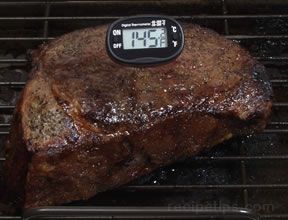
Even though harmful bacteria are usually only on the surface of whole beef cuts, there is growing concern that bacteria may be present in the internal portions of the meat as well, which is why it is now recommended that whole beef cuts be cooked to an internal temperature of not less than 145°F.
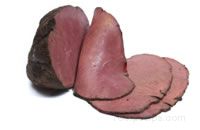
Various cuts of beef can be preserved with large quantities of salt or with the use of brining solutions. The preservation process lengthens the time that the beef products can be used safely.

People often use the terms barbecuing and grilling interchangeably, but they are two completely different cooking processes. While grilling refers to food that is cooked directly over high heat, barbecuing refers to foods that are cooked with a long, slow process using indirect, low-heat generated by smoldering logs or wood chips that smoke-cook the food.
Beef is the name given to meat obtained from the carcasses of cattle. Each primary beef cut is known as a primal cut, which are groups of muscles from the same area of the beef carcass. The beef primal cuts include the chuck, rib, short loin, round, brisket, plate, and flank.
Shopping | Thawing | Marinating | Rubs | Cooking | CarvingGeneral Safety and Handling | Ground Beef Safety and Handling | Nutrition
Shopping
Lean boneless cuts yield up to 4 servings per pound.
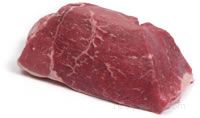
Beef cuts should be selected according to the planned method of cooking. For example, if beef is to be cooked on a grill, a tougher cut from the round or plate should not be purchased, unless the intention is to tenderize the meat before cooking it.
Contamination PreventionDoneness | Proper Storage | Safety and Handling Tips
Contamination Prevention
Shopping
When shopping for beef, make sure it is among the last items selected so that the length of time it is without refrigeration is as short as possible.

USDA Mandatory Inspection | USDA Optional Grading | Religious Restrictions
USDA Mandatory Inspection
All beef sold in the United States must pass inspection by the Food Safety and Inspection Service (FSIS) of the United States Department of Agriculture (USDA).
The following points should be considered when purchasing cuts of beef:
Lean boneless cuts yield up to 4 servings per pound.
Beef cuts with some bone yield up to 3 servings per pound.
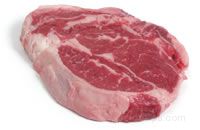
SteaksSteaks are among the most popular fresh beef cuts. The best steaks, in terms of tenderness, are from the loin and include the Filet mignon, Porterhouse, T-bone, and top loin strip.
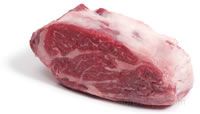
Pot Roasts
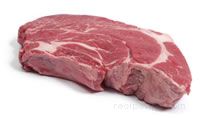
Cuts from the chuck are among the most popular cuts for pot-roasting (braising). They have plenty of connective tissues that melt when the meat is pot-roasted making it tender and flavorful.
Sauces Defined | Other Common Sauce Terms
Sauces Defined
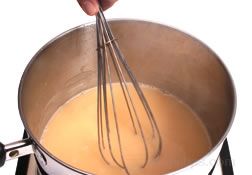
Sauces are liquids of various thicknesses that are flavored or seasoned to enhance the flavor of food. Sauces can be sweet, sour, spicy, or savory and may be added to the food to become part of a main dish or used as an accompaniment to the food being prepared.
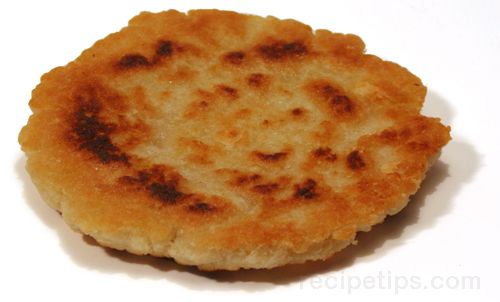
Flat Breads
Flat breads are made from both leavened and unleavened doughs. Both types have a general flat shape, although leavened flat breads are generally a bit taller and have a softer texture than unleavened flat breads.
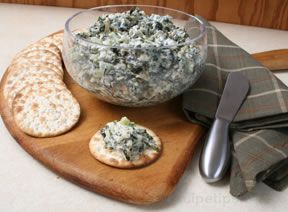
Types of Dips | Common Base Ingredients
Dips are most often prepared with a mixture of ingredients that complement other foods including raw vegetables, chips, crackers, or toast, which are dipped into the mixture; hence the name, dip.
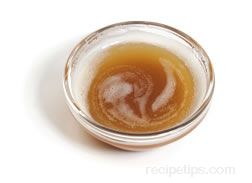
Most of the edible fats described below are solid or semisolid at room temperature and most are from animal sources. A small number of plant fats are also naturally solid or semisolid at room temperature.
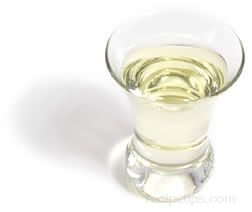
Storage of Liquid Fats | Storage of Solid FatsDeep-Frying Safety Tips | Olive Oil Handling/Safety/Storage
Guidelines for Storage of Liquid Fats
General Guidelines
Air, heat, light, and age affect the quality and the shelf life of many types of edible oils, which deteriorate through oxidation (rancidity).
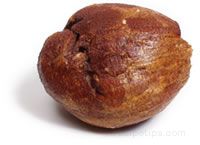
Hams | Raw Hams | Specialty Ham | Miscellaneous
Hams
Hams are cuts of pork that come from the leg, which have been dry cured (country hams) or wet-cured (city hams) and then boiled or smoked.
Top 17 articles found
Displaying 1-17


Advertisement
Advertisement