
Loading
Search
We hope you found what you are searching for. If not, contact us and let us know what your want. We will do the work for you and get back to you when we're done.
cooking prime rib - Knowledge Search
Top 9 articles found
Displaying 1-9
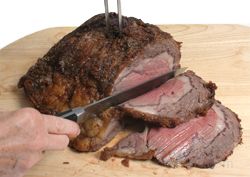
Purchasing | Preparing Prime Rib | Prime Rib Marinades | Rubs for Prime RibCooking Prime Rib | Checking Doneness | Carving Prime Rib | Serving Prime Rib
Knowing how to cook prime rib requires the understanding of only a few preparation steps and watching the temperature of the prime rib closely as it cooks.
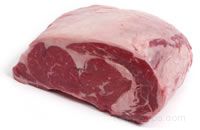
When roasting beef it is important to select the proper cut of roast beef to produce moist and tender meat when the roast beef is cooked to the desired doneness. Using the proper beef cooking times and temperatures is critical to the end results.
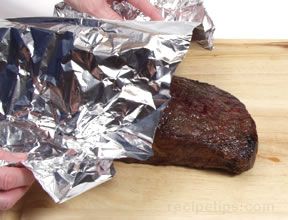
General Tips for Carving Beef | Steps for Carving a Prime Rib Roast
Beef that is roasted should rest for 10 to 15 minutes after it is removed from the oven so that the natural juices are allowed to settle.
The proper beef roast cook times and the correct beef cooking oven temperatures are extremely important. The optimum flavor and tenderness of various beef roasts can be consistently achieved when care is taken to follow the recommended time and temperature guidelines for cooking beef roasts.
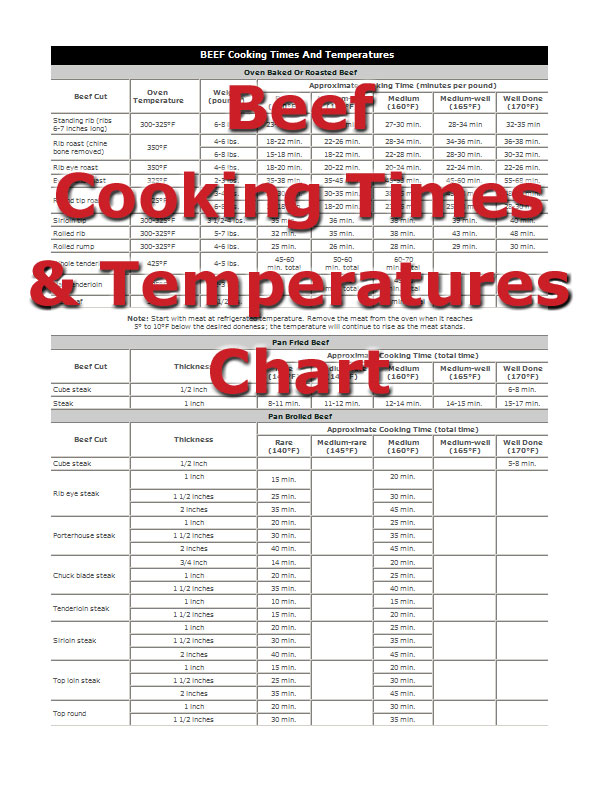
The proper beef cooking times and the correct beef cooking temperatures are extremely important. The optimum flavor and tenderness of various cuts of beef can be consistently achieved when care is taken to follow the recommended time and temperature guidelines for cooking beef.
Oven Roasts
An oven roast is usually a minimum of 2 inches thick. The dry heat of oven roasting enhances the flavor and tenderness of the beef if it is not overcooked. The best oven roasts are from the tender cuts of the loin and rib primals.
Selecting Cuts | Inspection and Grading | Look and Feel | Quantity to Buy
Selecting Cuts
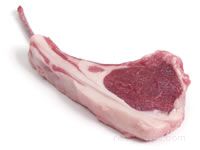
A successful outcome in cooking lamb depends on matching the recipe or cooking method with an appropriate cut of lamb.
USDA Mandatory Inspection | USDA Optional Grading | Religious Restrictions
USDA Mandatory Inspection
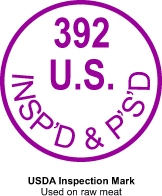
All beef sold in the United States must pass inspection by the Food Safety and Inspection Service (FSIS) of the United States Department of Agriculture (USDA).
Pork Roasts
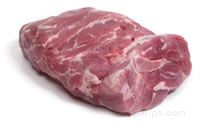
Generally a larger cut that is used to serve several people. Roasts can range in size from as small as 2 lbs. up to 20 lbs. or more. They are available from almost all the primal cuts and vary in tenderness and leanness, depending on the cut they are taken from.
Top 9 articles found
Displaying 1-9


Advertisement
Advertisement