
Loading
Search
We hope you found what you are searching for. If not, contact us and let us know what your want. We will do the work for you and get back to you when we're done.
clarified butter - Knowledge Search
Top 11 articles found
Displaying 1-11
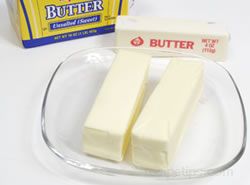
Clarified Butter | Brown Butter | Homemade Butter
Clarified Butter
Melting whole butter and removing the milk solids and water, produces clarified butter. It is a rich golden fat that is also referred to as drawn butter.
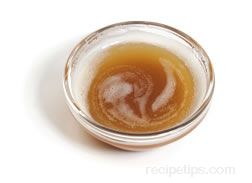
Most of the edible fats described below are solid or semisolid at room temperature and most are from animal sources. A small number of plant fats are also naturally solid or semisolid at room temperature.
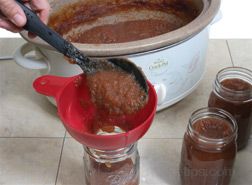
Apple butter is great on toast, bread, and plain crackers. It is especially good when the apple butter is homemade. We can show you how to make apple butter, which may seem time consuming, but it is well worth the effort. Starting with good applesauce is important.
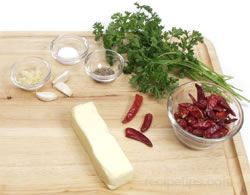
How to Make a Flavored Butter Log | Creative Recipes | How to Soften Butter
Flavored butter, also referred to as compound butter, is prepared by blending together various ingredients such as fresh herbs, shallots, minced garlic, chili powder, pepper flakes, grated citrus zest, or an array of spices, fruits, and vegetables.
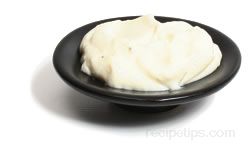
White Sauces | Brown Sauces | Tomato Sauces (or Red Sauces) | Egg Yolk and Butter SaucesEgg Yolk and Oil Sauces | Oil and Vinegar Sauces | Flavored Butter Sauces
White Sauces
In French cooking, traditional white sauces are one of two types: those made with hot milk added to a white roux (such as Béchamel sauce or Mornay sauce) or sauces made with hot broth or stock added to a white roux (such as Velouté sauce).
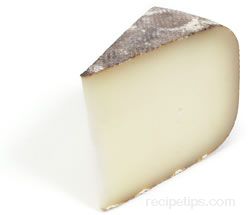
Cheeses of France: Abbaye de Bellocq to Butte
Abbaye de Bellocq
A sheep's milk cheese from the Basque region of France. It is made in the Benedictine Monastery, Abbaye de Notre Dame de Bellocq.
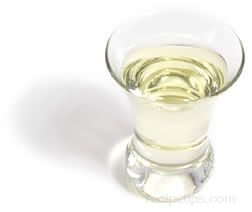
Storage of Liquid Fats | Storage of Solid FatsDeep-Frying Safety Tips | Olive Oil Handling/Safety/Storage
Guidelines for Storage of Liquid Fats
General Guidelines
Air, heat, light, and age affect the quality and the shelf life of many types of edible oils, which deteriorate through oxidation (rancidity).
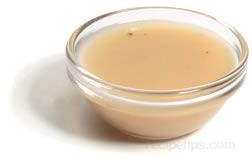
Flour Used as a Thickening Agent | Frying | Deep-Frying | Baking
Flour Used as a Thickening Agent
Flour is one of the most often used thickening agents when cooking foods such as sauces, gravies, soups, stews, and gumbos.
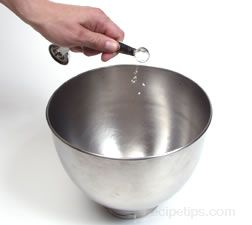
Beating Egg Whites | Beating Egg Yolks
Beating Egg Whites
Egg whites that are beaten correctly may increase in volume by as much as eight times. After beating, the egg whites should be extremely smooth and firm but not dry, forming stiff peaks.
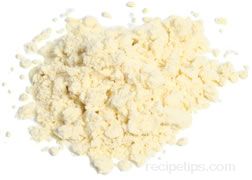
Described below are some of the products (including flour) created directly from corn. Other than a few exceptions, products that are created after the grain has been ground into flour are not described, because they are so numerous.
Use this ingredient equivalent chart to find out how much of an ingredient you need when your recipe suggests an unfamiliar quantity.
A - B - C - D - E - F - G - H - I - J - K - L - M - N - O - PQ - R - S - T - U - V - W - X - Y - Z
A - Ingredients
Ingredient
Amount
Equivalents
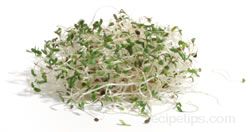
Alfalfa Sprouts
1 lb.
Top 11 articles found
Displaying 1-11


Advertisement
Advertisement