
Loading
Search
We hope you found what you are searching for. If not, contact us and let us know what your want. We will do the work for you and get back to you when we're done.
chicken shopping guide - Knowledge Search
Top 17 articles found
Displaying 1-17
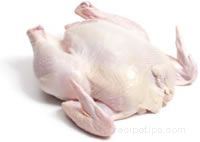
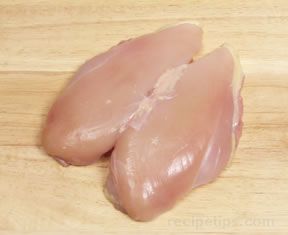
When shopping for chicken there are several details that you should pay close attention to so you are assured of purchasing fresh chicken in the correct quantity, quality and type to satisfy your needs.
Looking at and feeling the chicken can give you information that the label will not provide. When shopping for a whole fresh chicken that you are planning on roasting whole, select one that has a rounded, plump breast, because it would contain more breast meat, which provides a nicely shaped bird when roasted.
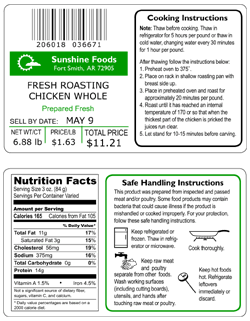
Reading the label will inform you as to the type of chicken, the parts contained in the package, the total weight, a description, how fresh it is, and nutritional information.

It is sometimes difficult to know just how much chicken to buy to have the proper amount for a particular recipe or to serve to a specific number of people. Some of the information that will determine the quantity needed are the number of people being served, whether or not it will be served in controlled portions, or if the meat will be served on a "help yourself" basis.
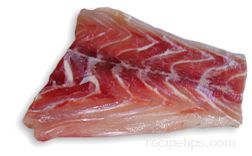
Fish Cuts
When shopping for fish, it is beneficial to know what the different types of cuts of fish are so that you know exactly what you are purchasing. The basic cuts are described below.
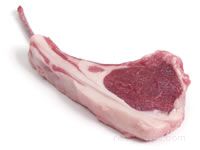
Selecting Cuts | Inspection and Grading | Look and Feel | Quantity to Buy
Selecting Cuts
A successful outcome in cooking lamb depends on matching the recipe or cooking method with an appropriate cut of lamb.
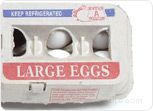
Eggshell and Yolk Color | Egg Size | Egg Grading | Egg Freshness
When shopping for food items, it is often beneficial to learn something about the products before you purchase them.
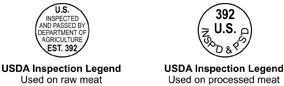
Tips on Selecting Cuts | Terms | Description of Cuts | Inspection and GradingRead the Label | Look and Feel | Quantity to Buy | Purchasing in Quantity
When shopping for pork there are several things that you need to consider so that you will be assured of purchasing the correct quantity, quality and type of pork to satisfy your needs.
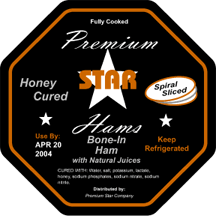
Knowing a little about ham helps to insure that you are selecting ham that is the appropriate type and quality for the ham recipe you are preparing. See our Ham Cooking Times to be sure you are cooking the ham for the appropriate time to produce a safe and delicious ham.
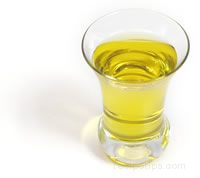
Marketing Methods | Quality Factors | Purchasing Tips | Read the Label
Olive oil has been a staple in the Mediterranean diet for centuries and has also become very popular in the United States as well.
There are many varieties of pre-made sauces available in food stores and specialty shops that can be used with all varieties of pasta. Experimenting with the pre-made sauces will be the best way to determine what fits your personal preference.
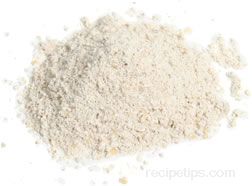
Types of Wheat Flour | Types of Non-Wheat FlourImportance of Gluten | Wheat/Non-Wheat Flour Proportions
Flour is the main ingredient in all types of breads. Different types of flour milled from wheat are most commonly used for making bread.
Leavening Agents | Liquids | SaltsFats and Oils | Sweeteners | Other Flavoring Ingredients
Leavening Agents
Leavening agents are the substances that allow bread dough to rise.
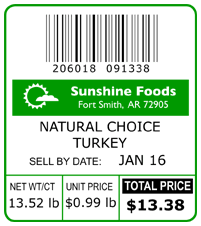
Use the charts below to help determine how much to buy of the foods listed below when preparing a meal or a recipe for a specific number of people.
Pasta Buying Guide | Rice Buying Guide | Egg Buying Guide | Meat Buying Guides
Pasta Buying Guide
The quantities in the chart below are approximates only.
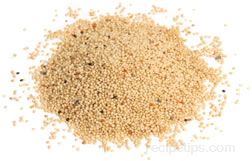
General Guidelines | Recommended Storage Methods for Whole Grains
General Guidelines
Like many other foods, grains are perishable; however, the shelf life of grains is usually much longer than that of most foods.
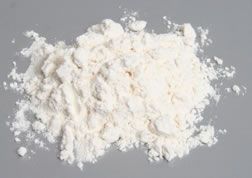
Most types of flour keep well in a sealed container in a cool, dry, and dark location. The original paper packaging used for many types of flour is fine for long term storage as long as the package has not been opened.
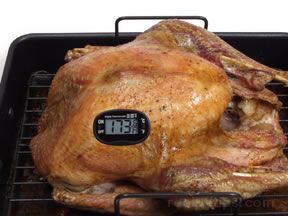
General Guidelines for Proper DonenessMeat Thermometers | Unsafe Cooking Methods
General Guidelines for Proper Doneness
Consider the Following Points whenDetermining the Proper Doneness of Turkey
A whole turkey should be cooked until the internal temperature of the breast meat reaches 170°F and the deepest portion of the thigh reaches 180°F.
Top 17 articles found
Displaying 1-17


Advertisement
Advertisement