
Loading
Search
We hope you found what you are searching for. If not, contact us and let us know what your want. We will do the work for you and get back to you when we're done.
bread shapes - Knowledge Search
Top 90 articles found
Displaying 1-20 | Next 20 >>
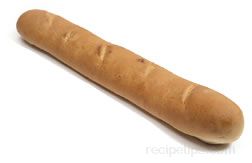
Bread Shapes | Bun and Roll Shapes
Bread Shapes
Bread and rolls are produced in all shapes and sizes, which are determined by a number of factors including:
The type of flour used for making the bread
Whether or not the bread is leavened
How the bread is used
Local or regional tradition
How the dough is cooked, such as baked, steamed, deep-fat fried, etc.
Standard Loaf Pan | Bloomer | Cob or Boule | Coburg | CottageMolded Tin or Split Pan | Baguette | Épi | Fougasse | Braided | Ring | Flat Breads
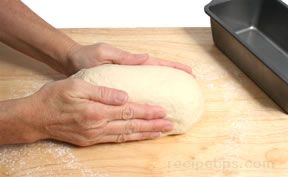
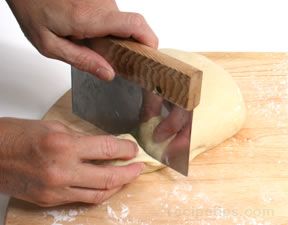
After the dough has been punched down, kneaded, and then has rested briefly, it is ready to be shaped.
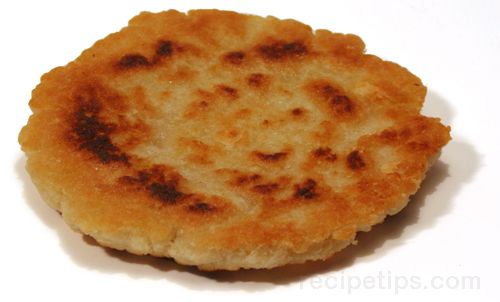
Flat Breads
Flat breads are made from both leavened and unleavened doughs. Both types have a general flat shape, although leavened flat breads are generally a bit taller and have a softer texture than unleavened flat breads.
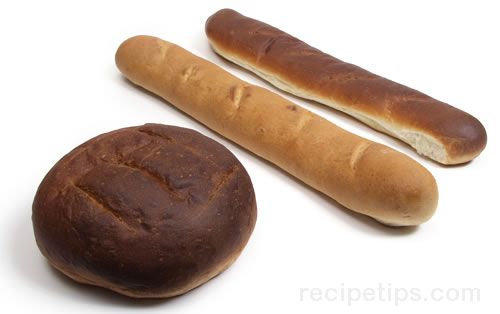
Basic breads are those that are made with a simple recipe of a few ingredients, are yeast leavened, and are usually easy for the home cook to prepare, requiring only basic bread making skills and simple pieces of kitchen equipment.
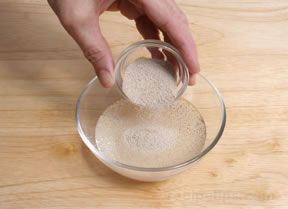
Bread Making Demonstration:Basic Bread
Basic White Loaf
A standard white loaf leavened with the direct of straight yeast method is one of the easiest of the basic breads to prepare.
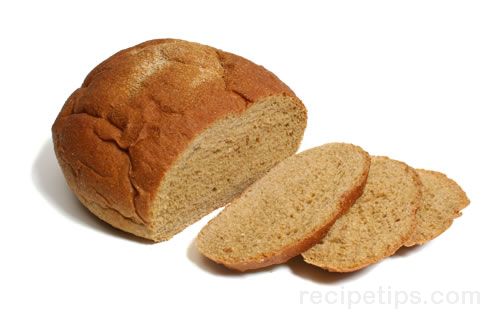
Enriched and/or Flavored Breads
Some basic yeast bread recipes are enhanced with other ingredients that change the characteristics of the bread including the texture, flavor, and color.
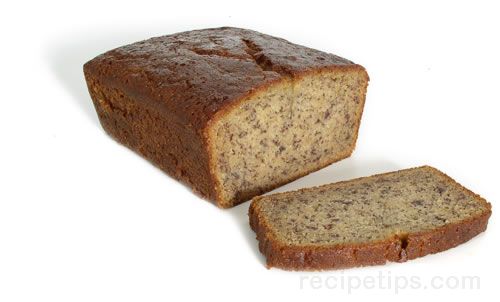
Quick Breads
Quick bread refers to breads that require minimal preparation time, are made from batter more often than from dough, and are leavened with chemical agents, such as baking soda or baking powder, instead of yeast or natural starters.
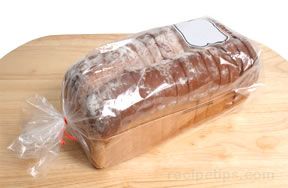
Among the top criteria influencing the shelf life of bread are the following: the bread ingredients used, the bread storage temperature and humidity levels, the type of storage container used, and the bread storage location.
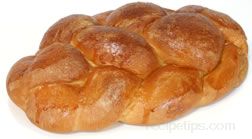
Festival Breads
Traditionally, festival breads were prepared to denote a special observance of religious or national importance. Some breads were made only once a year, while others were baked weekly, however many of the once-a-year breads are now being offered year round by a greater number of commercial bakers.
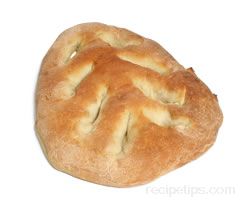
The most common method for bread baking is with the use of an indoor oven. The proper bread baking temperature is more readily achieved with a modern oven than with any other method.
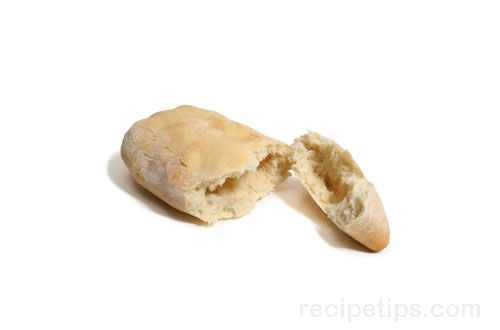
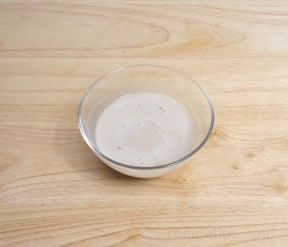
Using a starter is, perhaps, the oldest method for preparing leavened breads. Many basic bread varieties use a starter as the leavening agent. Although it can be a lengthy process, using a starter greatly contributes to the flavor and texture of the bread.
Bread Making Demonstration:Basic Bread
Cottage Loaf
There are many variations of ingredients that can be used when preparing the uniquely shaped cottage loaf. It can be made as a whole wheat bread or a combination of whole grain flours can be used.
Rounded Rolls | Crescent Rolls | Fan Tan Rolls | Knot Shaped RollsTwisted Rolls | Breadsticks | Parker House Rolls | Clover Leaf Rolls | Bagels
Many rolls and buns are smaller versions of larger bread loaves.
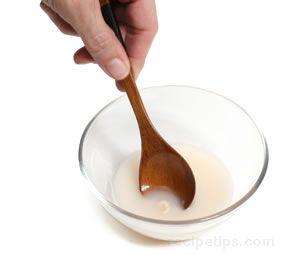
Bread Making Demonstration:Bread Using a Starter
Ciabatta
Ciabatta is typically identified by its shape, which is that of a worn or flattened slipper, and thus the meaning of the word "ciabatta" in Italian.
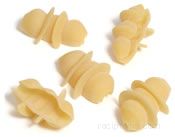
There are numerous pasta products available, consisting of dried and fresh pasta. Some products are available both in a dried and fresh form but there are many more dried products than fresh.
Measuring | Mixing, Rising, and KneadingAdditional Tools for Preparation | Baking | Serving
Most of the kitchen tools and devices necessary for bread making are simple items that are found in most home kitchens: measuring cups and spoons, a large bowl (preferably glass), a large spoon (preferably wood), a work surface, a dish towel, a sharp knife, and a baking sheet.
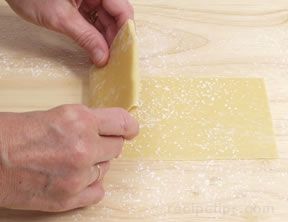
Homemade pasta can be cut into many shapes and sizes but the options
are limited in comparison to factory made dried pastas. Some shapes and
sizes can be cut by hand but many must be formed by the use of a machine
and special cutting rollers and dies.
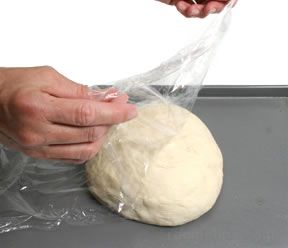
For many bread recipes the final rising is often the second rising, while other breads may require two or more cycles of rising, punching, and kneading before being shaped and allowed to rise for the final time.
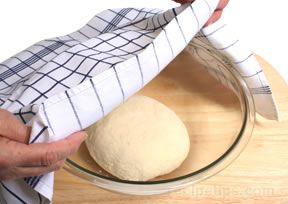
After the bread dough has been kneaded, it must be allowed to rest in order for the yeast to continue with the fermentation. The fermentation produces carbon dioxide gas, which becomes trapped within the dough, resulting in the rising action that is necessary to develop the texture and flavor of the final product.
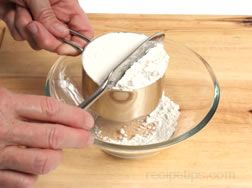
Measuring Dry Ingredients | Weight Versus VolumeMeasuring Solid Fats | Measuring Liquid Ingredients
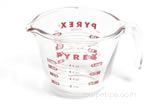
When making bread, it is critical to use precise measurements. Unlike general cooking in which precise measurements are often not as critical, inaccurate measurements in bread making (and most baked items) affect the chemical processes that occur during the preparation and baking.
Top 90 articles found
Displaying 1-20 | Next 20 >>


Advertisement
Advertisement