
Loading
Search
We hope you found what you are searching for. If not, contact us and let us know what your want. We will do the work for you and get back to you when we're done.
beef shopping guide - Knowledge Search
Top 18 articles found
Displaying 1-18
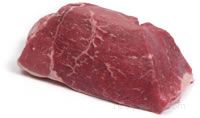
Beef cuts should be selected according to the planned method of cooking. For example, if beef is to be cooked on a grill, a tougher cut from the round or plate should not be purchased, unless the intention is to tenderize the meat before cooking it.
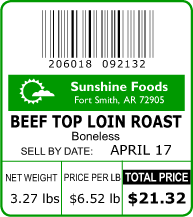
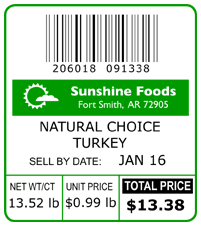
The food label on packaged beef provides a variety of information designed to make shopping as easy as possible. The label provides the following information depending on the type of beef product that is purchased:
Description of Beef Cut
The label on raw beef cuts contains the name of the primal cut the beef was taken from, the name of the retail or market ready cut, a short description (bone-in or boneless), the total weight, and cost per pound.
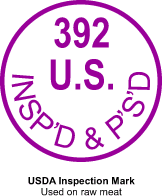
USDA Mandatory Inspection | USDA Optional Grading | Religious Restrictions
USDA Mandatory Inspection
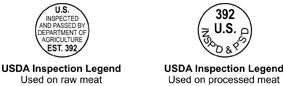
All beef sold in the United States must pass inspection by the Food Safety and Inspection Service (FSIS) of the United States Department of Agriculture (USDA).
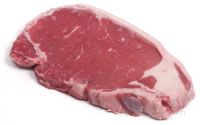
When purchasing packaged fresh beef in a food store, the packages should be cold and the meat should be firm. The packaging should be in good condition with no tears or holes in the wrapping.

Learning about various cuts can make shopping for beef a much easier experience. A general knowledge of beef cuts and how they are best used will help you select the proper cut for a particular recipe.
The following points should be considered when purchasing cuts of beef:
Lean boneless cuts yield up to 4 servings per pound.
Beef cuts with some bone yield up to 3 servings per pound.
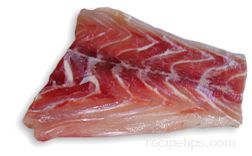
Fish Cuts
When shopping for fish, it is beneficial to know what the different types of cuts of fish are so that you know exactly what you are purchasing. The basic cuts are described below.
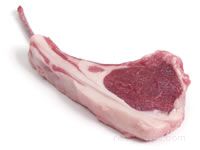
Selecting Cuts | Inspection and Grading | Look and Feel | Quantity to Buy
Selecting Cuts
A successful outcome in cooking lamb depends on matching the recipe or cooking method with an appropriate cut of lamb.
Eggshell and Yolk Color | Egg Size | Egg Grading | Egg Freshness
When shopping for food items, it is often beneficial to learn something about the products before you purchase them.
Tips on Selecting Cuts | Terms | Description of Cuts | Inspection and GradingRead the Label | Look and Feel | Quantity to Buy | Purchasing in Quantity
When shopping for pork there are several things that you need to consider so that you will be assured of purchasing the correct quantity, quality and type of pork to satisfy your needs.
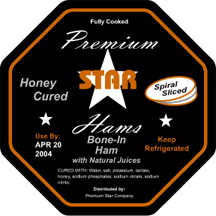
Knowing a little about ham helps to insure that you are selecting ham that is the appropriate type and quality for the ham recipe you are preparing. See our Ham Cooking Times to be sure you are cooking the ham for the appropriate time to produce a safe and delicious ham.
Marketing Methods | Quality Factors | Purchasing Tips | Read the Label
Olive oil has been a staple in the Mediterranean diet for centuries and has also become very popular in the United States as well.
There are many varieties of pre-made sauces available in food stores and specialty shops that can be used with all varieties of pasta. Experimenting with the pre-made sauces will be the best way to determine what fits your personal preference.
Types of Wheat Flour | Types of Non-Wheat FlourImportance of Gluten | Wheat/Non-Wheat Flour Proportions
Flour is the main ingredient in all types of breads. Different types of flour milled from wheat are most commonly used for making bread.
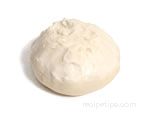
Leavening Agents | Liquids | SaltsFats and Oils | Sweeteners | Other Flavoring Ingredients
Leavening Agents
Leavening agents are the substances that allow bread dough to rise.
Use the charts below to help determine how much to buy of the foods listed below when preparing a meal or a recipe for a specific number of people.
Pasta Buying Guide | Rice Buying Guide | Egg Buying Guide | Meat Buying Guides
Pasta Buying Guide
The quantities in the chart below are approximates only.
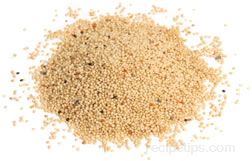
General Guidelines | Recommended Storage Methods for Whole Grains
General Guidelines
Like many other foods, grains are perishable; however, the shelf life of grains is usually much longer than that of most foods.
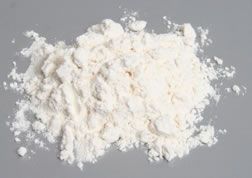
Most types of flour keep well in a sealed container in a cool, dry, and dark location. The original paper packaging used for many types of flour is fine for long term storage as long as the package has not been opened.
Top 18 articles found
Displaying 1-18


Advertisement
Advertisement