
Loading
Search
We hope you found what you are searching for. If not, contact us and let us know what your want. We will do the work for you and get back to you when we're done.
beef products - Knowledge Search
Top 59 articles found
Displaying 1-20 | Next 20 >>
Miscellaneous Products
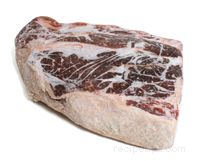
Frozen Whole Beef Cuts
Whole fresh beef cuts may be packaged and frozen before they are purchased by the consumer.
Barbecued Beef Ribs
There are several brands of beef ribs that have been fully cooked with barbecue sauce added.
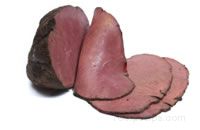
Various cuts of beef can be preserved with large quantities of salt or with the use of brining solutions. The preservation process lengthens the time that the beef products can be used safely.
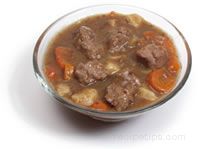
Canned Beef ProductsCommercially prepared canned products containing beef are widely available. The products are fully cooked, so additional cooking is not required although heating the products for a short period improves the flavor.
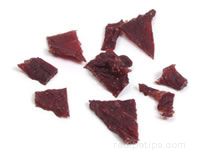
Dried Beef ProductsVarious cuts of beef can be preserved using a combination of seasonings and drying processes, performed under controlled conditions, to produce food items that have a long shelf life.
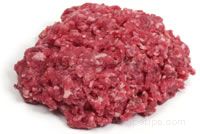
Miscellaneous CutsSome fresh beef cuts or scraps are ground, rolled, tenderized, cubed, or sliced in food stores or meat markets into various products that add convenience for the consumer.

Beef is the name given to meat obtained from the carcasses of cattle. Each primary beef cut is known as a primal cut, which are groups of muscles from the same area of the beef carcass. The beef primal cuts include the chuck, rib, short loin, round, brisket, plate, and flank.
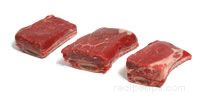
Ribs
The beef carcass has 13 pairs of ribs, but not all of the ribs are included in the rib primal cut. The first 5 ribs are part of the chuck cut in the front of the animal.
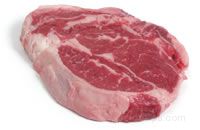
SteaksSteaks are among the most popular fresh beef cuts. The best steaks, in terms of tenderness, are from the loin and include the Filet mignon, Porterhouse, T-bone, and top loin strip.
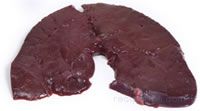
Variety MeatsVariety meats include some of the organs and extremities. Some variety meats are readily available in food stores and most are available from a butcher or specialty meat market, but may require special ordering.
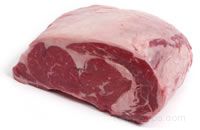
Oven Roasts
An oven roast is usually a minimum of 2 inches thick. The dry heat of oven roasting enhances the flavor and tenderness of the beef if it is not overcooked. The best oven roasts are from the tender cuts of the loin and rib primals.
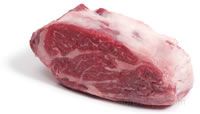
Pot Roasts
Cuts from the chuck are among the most popular cuts for pot-roasting (braising). They have plenty of connective tissues that melt when the meat is pot-roasted making it tender and flavorful.
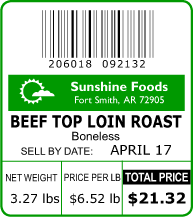
The food label on packaged beef provides a variety of information designed to make shopping as easy as possible. The label provides the following information depending on the type of beef product that is purchased:
Description of Beef Cut
The label on raw beef cuts contains the name of the primal cut the beef was taken from, the name of the retail or market ready cut, a short description (bone-in or boneless), the total weight, and cost per pound.
Whole Primal Cuts
Whole primal beef cuts may be purchased from a butcher or meat locker or it may be possible to obtained them from a special order from some food stores.
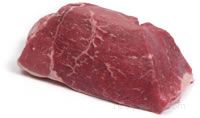
Beef cuts should be selected according to the planned method of cooking. For example, if beef is to be cooked on a grill, a tougher cut from the round or plate should not be purchased, unless the intention is to tenderize the meat before cooking it.
The proper beef roast cook times and the correct beef cooking oven temperatures are extremely important. The optimum flavor and tenderness of various beef roasts can be consistently achieved when care is taken to follow the recommended time and temperature guidelines for cooking beef roasts.
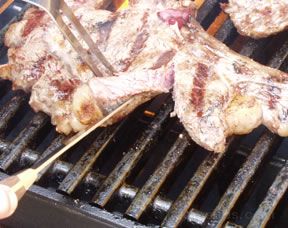
The high heat of grilling sears the surface of beef, creating tender meat with a flavorful crust. The required cooking temperature and the method of grilling (direct, indirect, or a combination) depends on the cut of beef and the quality of the meat.

Described below are some of the products (including flour) created directly from various grains. Other than a few exceptions, products that are created after the grain has been ground into flour are not described, because they are so numerous.

USDA Mandatory Inspection | USDA Optional Grading | Religious Restrictions
USDA Mandatory Inspection
All beef sold in the United States must pass inspection by the Food Safety and Inspection Service (FSIS) of the United States Department of Agriculture (USDA).

Described below are some of the products (including flour) created directly from rice. Other than a few exceptions, products that are created after the grain has been ground into flour are not described, because they are so numerous.

Egg Products
Pasteurized Shell Eggs
Pasteurized shell eggs are heated for a period of time to destroy any bacteria that might be present, but the process does not cook the eggs.
Top 59 articles found
Displaying 1-20 | Next 20 >>


Advertisement
Advertisement